Prices from Amazon AU, updated daily. Swipe or use the arrows for more.
Disclosure: This article contains affiliate links to amazon.com.au. If you buy through one of these links iFix may earn a small commission at no extra cost to you. It doesn't change which products we recommend. We focus on what actually lasts based on 16 years of repair-shop experience.
Quick summary7 picks
- Entry PickSunbeam PC7900 Auto Brew Drip Filter Coffee… about$67
- Breville LCM700BSS the Aroma Style Electric… about$98
- Philips All-in-1 Brew Drip Coffee Maker -… about$141.55
- De'Longhi Clessidra 2 in 1 Drip Coffee… about$149
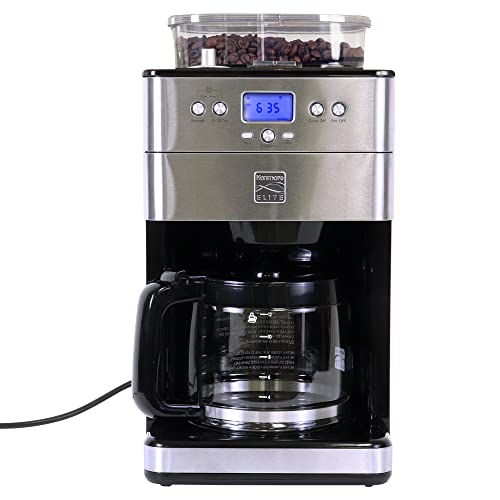
- Kenmore Elite Grind and Brew Coffee Maker… about$256.49
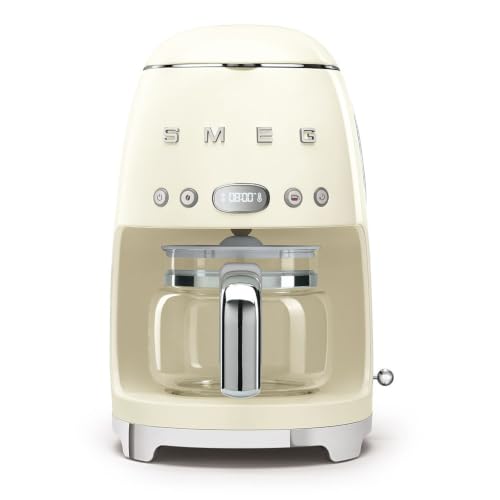
- SMEG DCF02 Drip Filter Coffee Machine about$279
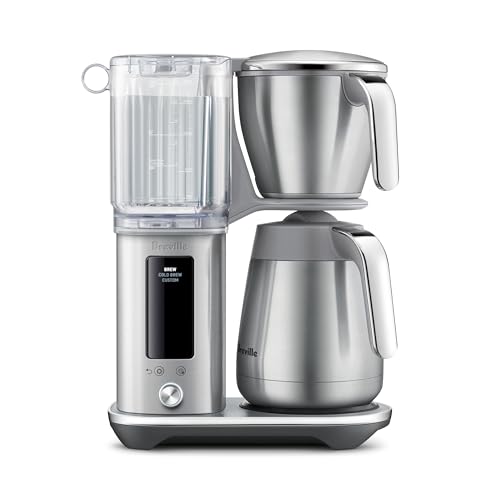
- Most PremiumBreville BDC465BSS the Luxe Brewer Thermal… about$466.01
Why a repair shop is writing about filter coffee machines
A drip filter coffee machine is one of the simplest appliances in a kitchen: a water tank, a heating element, a tube, a one-way valve, a shower head over the coffee and a plate or flask under the jug. That simplicity is why a good one lasts for years. It's also why nearly every one that stops working has failed the same way, and it's rarely the electronics. It's scale.
This guide covers drip and pour-over filter machines for home: the classic machines that brew a jug, pour-over machines that copy hand brewing, and grind and brew machines with a burr grinder built in. If you want espresso and milk, our bean to cup picks cover that. If you want one cup at a time with no grounds to tip out, our coffee pod machine picks cover the cost per cup.
The six picks run from $67 to $466.01 at time of writing, and all six are sold by Amazon AU. They come from five brands: two Breville machines, and one each from Sunbeam, De'Longhi, Philips and Kenmore, whose Elite machine is made and sold here by Koolatron. I read each listing for brew temperature, capacity, carafe type, grinder, warranty and what it leaves out.
I left out two Kenmore 12-cup machines whose listings carry no Australian model code and, in one case, quote capacity in US quarts, and a Costway grind and brew machine whose listing gives no model number at all. A mains appliance whose listing can't confirm it's the Australian unit doesn't make my picks.
Brew temperature is the number that matters
Good filter coffee needs water hot enough to pull the flavour out of the grounds but not so hot that it turns bitter. The Specialty Coffee Association's standard is water between 92 and 96 degrees reaching the coffee, for a brew of a few minutes. Plenty of low-cost machines never get there: the water cools on its way up the tube and out the shower head, and the coffee tastes thin and sour.
Two of the six listings state their temperature or a standard. The De'Longhi Clessidra says its brewing system is approved by the European Coffee Brewing Centre and brews between 92 and 96 degrees. The Breville Luxe Brewer's title calls it SCA approved, and it lets you set the brew temperature yourself. The other four listings don't state a brew temperature, which doesn't mean they brew cold, only that the listing doesn't say.
The other half of a good brew is how evenly the water wets the coffee. A single stream drilled into the middle of the basket leaves the edges dry and over-extracts the centre. The Breville Aroma Style lists a multiple flow system that spreads the water, and pour-over machines like the Clessidra are built around a slower, more even pour.
A bloom step, where the machine wets the grounds and pauses before brewing, lets fresh coffee release gas and extract evenly. The Luxe Brewer is the one pick whose listing lets you set the bloom volume and time.
Hotplate or thermal carafe
Most drip machines brew into a glass jug that sits on a hotplate. The Sunbeam and the De'Longhi list a keep-warm plate under the jug, and that's fine if the coffee is drunk within half an hour. Leave it on the plate for an hour and the coffee cooks: it turns flat and bitter, and any coffee left in the jug bakes onto the glass.
A thermal carafe is a double-walled flask that keeps the coffee hot with no heat at all. The Breville Luxe Brewer's listing says its dual-wall thermal carafe keeps coffee above 65 degrees for up to 4 hours. It's the better choice for a household that brews a jug in the morning and drinks it through to mid-morning, or for anyone who forgets the machine is on.
Hotplates also matter for safety and power. A machine left on with an empty jug on the plate is a common way to crack a jug or scorch a plate. Check what your machine's auto off does, and turn it off at the wall when you leave the house. A thermal carafe machine switches its element off once the brew is done.
If you buy a hotplate machine, pour the coffee into a vacuum flask once it's brewed. It costs a few dollars, keeps the coffee hot for hours and stops it cooking on the plate.
Grind and brew machines
Ground coffee goes stale within days of being opened, and beans ground just before brewing taste noticeably better. Grind and brew machines put a burr grinder on top of the drip machine, so the machine grinds the beans and drops them into the filter in one step. Two of the six picks are this type: the Philips All-in-1 Brew and the Kenmore Elite. They suit someone who buys whole beans but doesn't want a separate grinder on the counter.
Both use burr grinders, which crush beans between two ridged surfaces to an even size, rather than blade grinders, which chop them unevenly. The Philips lists a conical burr with adjustable coarseness and two bean compartments, so you can keep a regular and a decaf blend. The Kenmore Elite lists a grind size selector, a 220ml airtight bean hopper and a choice of 2 to 12 cups.
The catch is cleaning. Coffee oils build up in the grinder and the chute that drops the grounds into the filter, and steam from the brew rises into the chute and makes the grounds clump. A blocked chute is the most common complaint with grind and brew machines. Brush the chute out every few days, avoid very oily dark roast beans, and run the grinder empty only as the manual allows.
Both machines also brew pre-ground coffee with the grinder switched off, so a stale bag of grounds is never wasted. If you already own a good grinder, our burr grinder picks pair with any plain drip machine.
Scale, descaling and Central Coast water
Every time a drip machine heats water, a little calcium and magnesium comes out of it and sticks to the element and the tube. Over months, that scale narrows the tube, insulates the element and slows the brew. The first signs are a machine that gurgles and steams more than it used to, a brew that takes far longer, and coffee that comes out cooler. Left long enough, it blocks the tube completely, and the machine either stops or blows its thermal fuse. Descaling is the one job that decides how long a drip machine lasts.
How fast that happens depends on your water. Central Coast town water is generally on the soft side, so a descale every two to three months is usually enough, but harder bore or tank water, or a machine used several times a day, needs it monthly. The Kenmore Elite lists a built-in charcoal water filter, which takes out taste and odour but not the minerals that form scale, so it still needs descaling.
Descale with a citric acid descaler or the maker's own product, following the manual: fill the tank with the solution, run half a brew, let it sit, finish the brew, then run two or three tanks of clean water through. White vinegar works on many machines, but some makers advise against it, and its smell can linger in the tube. Never use a bathroom or kettle descaler not meant for coffee machines.
Wash the jug, basket and shower head after every use, since old coffee oils turn rancid and taint the next brew, and leave the tank lid open so it dries out between uses.
Power, sockets and the morning rush
A drip machine's element typically draws somewhere around 900 to 1,500 watts while it brews, and grind and brew machines add a grinder motor on top. None of the six listings state the wattage, so check the rating plate under the machine or in the manual. A standard Australian 10 amp socket supplies about 2,400 watts, and that's the limit for everything plugged into it.
That matters in the morning, when the coffee machine, the kettle and the toaster often share one double socket or a powerboard. A kettle alone can draw 2,200 watts, so a kettle and a coffee machine on one powerboard can trip the circuit breaker or overheat a low-grade board. Spread them across separate wall sockets, and if you use a powerboard, use a good one with overload protection, like our surge powerboard picks.
A programmable timer is handy, and the Breville Aroma Style, the Sunbeam, the Kenmore Elite and the Luxe Brewer all list one. It also means the machine sits on standby all night with water in the tank. Keep the machine clear of the wall and overhead cupboards so steam can escape, since steam rising into a cupboard swells the timber over time, and don't run the timer while you're away. Check the power cord for kinks where it leaves the machine, too, because a cord pinched behind the machine is a common place for wiring to fail.
Ratios, grind and getting a good jug
The most common reason for weak or bitter filter coffee isn't the machine, it's the amount of coffee. The SCA's Golden Cup standard works out to about 55 grams of coffee per litre of water, which is roughly two level tablespoons per standard cup. Most people use much less, and the brew comes out thin. Weigh it for a week and you'll learn what the scoop should look like.
Grind for filter is medium, about the texture of coarse sand. Too fine and the water backs up in the basket and can overflow it, too coarse and the coffee is weak. Pre-ground coffee sold for plunger is too coarse for most drip machines, and espresso grind is far too fine.
Paper filters trap more of the oils and fine particles and give a cleaner cup. Permanent mesh filters, listed on the Philips, let more oils through for a heavier cup and cut down on waste, but need rinsing every time. Our milk frother picks turn a filter brew into something closer to a café latte at home, and if you've dropped your phone in the sink while making it, our Erina phone repair workshop handles liquid damage.
Jugs, baskets and the parts that wear
A filter machine has a short list of parts that wear out, and all of them cost far less to replace than the machine. The glass jug is the one most often broken, usually knocked against a tap or cracked on a hot plate. The basket's drip-stop valve, the small spring-loaded plug that stops coffee dripping when the jug is lifted, clogs with old grounds and sticks open. The tank lid hinge and the jug lid are the plastic parts that snap.
Before you buy, check that the brand sells replacement jugs and baskets in Australia. Breville, Sunbeam, De'Longhi and Philips all have local parts and service networks, which is one reason most of the picks come from those brands. A machine with no replacement jug turns into landfill the first time the glass breaks.
Keep the drip-stop valve clean by rinsing the basket under a running tap and pressing the valve a few times while it rinses. If coffee starts overflowing the basket, check the valve first, then the grind, then the amount of coffee, in that order.
Paper filters for drip machines come in two common shapes, cone and flat bottom, and the wrong shape folds over and lets grounds into the jug. Check which your machine takes before you stock up, and keep a spare pack in the cupboard.
The 6 picks, $67 to $466.01
Prices are Amazon AU at time of writing (2026-11-17) and move week to week. Ranks are Amazon AU category sales ranks, checked the same day, with the overall Amazon AU rank alongside. Amazon AU files these machines under four different categories, so compare the overall ranks rather than the category ones.

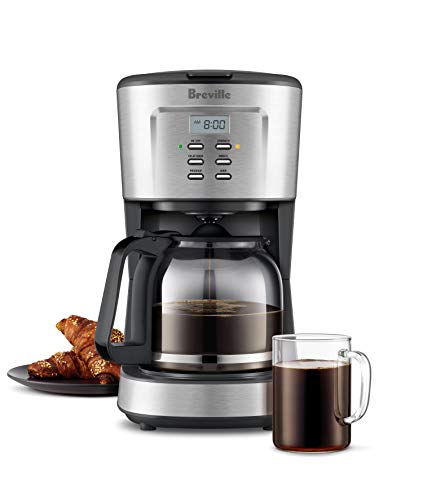
Breville LCM700BSS the Aroma Style Electric Drip Coffee Maker
ASIN B08VD7779D • $98 • Ships from Amazon AU
The Breville Aroma Style is the one I'd buy for most households, because it's a straightforward drip machine from a brand with local service and parts, with the features that change the coffee rather than gimmicks. It's listed at $98, sold by Amazon AU, and ranks #18 in Amazon AU's Coffee Makers category and #1,375 overall, close behind the Sunbeam for the best overall rank of the six. Its part number is LCM700BSS2JAN1, and the listing gives a 2 year warranty, which is longer than many machines at this price. Amazon AU sells it directly, so a return is simple if it arrives with a chipped jug.
The listing describes a programmable drip machine that can be set to brew automatically at any time within a 24 hour period, a brew strength control that moves from regular to strong at a button press, and a multiple flow system that spreads the hot water evenly over the grounds for better extraction. Its non-drip valve lets you lift the jug out and pour mid-brew without coffee running onto the base. The listing doesn't state the jug's capacity, the wattage, the brew temperature or whether the jug is glass or thermal, so check those on the box. Of the six picks, it has the plainest controls, which is a strength on a machine that's used half asleep at six in the morning.
Descale it every two to three months, or monthly on hard water, with a citric acid descaler. Wash the basket and jug after every brew so old oils don't taint the next one. If the jug sits on a warming plate, don't leave coffee there for more than half an hour, since it cooks. Rinse the basket's drip-stop valve under the tap every few days so it doesn't stick open. Keep a pack of the right shape paper filters on hand. If it starts to gurgle and brew slowly, that's scale, not a fault, so descale it before anything else. Breville's local parts network means a replacement jug is a phone call away.
Honest caveats: The listing doesn't state the capacity, wattage, brew temperature or carafe type, so the box and manual have to fill those gaps. It has no grinder and no bloom control, and if its jug sits on a warming plate, coffee left there turns bitter within an hour. Pour into a flask instead.
Best for: A reliable everyday drip machine with a timer, strength control and a 2 year warranty.
Price: $98 (Amazon AU) • Type: Drip filter machine • Timer: Programmable, 24 hours • Strength: Regular or strong • Shower: Multiple flow system • Capacity: Not stated on the listing • Warranty: 2 years • Part number: LCM700BSS2JAN1 • Rank: #18 in Coffee Makers, #1,375 overall on Amazon AU
View on Amazon AU
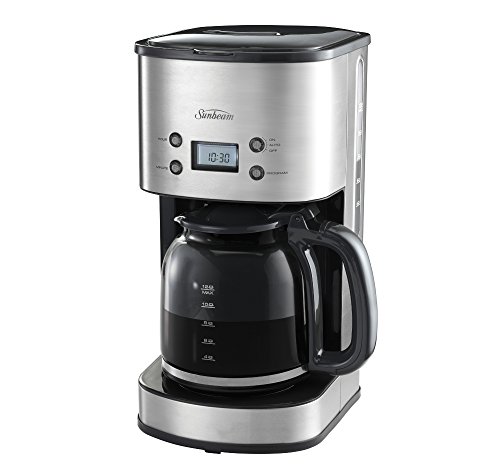
Sunbeam PC7900 Auto Brew Drip Filter Coffee Machine, 12 Cup
ASIN B076JQH9N4 • $67 • Ships from Amazon AU
The Sunbeam PC7900 is the value pick and the lowest-priced of the six, a 12 cup drip machine from a long-standing Australian brand. It's listed at $67, sold by Amazon AU, and ranks #1,281 overall on Amazon AU, the best overall rank of the six picks. Amazon AU files it under Espresso and Cappuccino Machines, where it sits at #6, which is a filing quirk rather than a sign it makes espresso. Its model is PC7900. It's the pick for a household that wants a big jug in the morning for the least outlay. Sunbeam's local parts and service network is the reason a thin listing doesn't rule it out.
Almost everything known about it comes from its title: 12 cups, a 1.5L jug, a delay timer for automatic brewing and a keep warm plate, in stainless steel and black. Twelve cups from 1.5 litres means a cup of about 125ml, so expect closer to six mugs. Its feature list gives only the product type, a package quantity and China as the country of origin. It doesn't state the brew temperature, the wattage, the warranty, the filter type or whether it switches itself off, so check those in the manual. Its delay timer and big jug are what most households want from a filter machine, and its rank suggests plenty of Australian kitchens agree.
Use the delay timer, but don't leave the full jug on the warm plate all morning; pour it into a flask instead. Descale it every two to three months. Check its auto off setting in the manual when it arrives, and switch it off at the wall when you go out. Rinse the basket and its drip-stop valve after every brew, and wash the jug by hand rather than knocking it about in the sink. Keep the delay timer for mornings you're home. If it begins to gurgle, steam or brew slowly, descale it before assuming it's faulty, since that's almost always scale.
Honest caveats: The listing is thin: no warranty, wattage, brew temperature or filter type is stated. Its 12 cup figure uses small cups, so it brews closer to six mugs. Coffee left on the warm plate cooks within an hour. Check the manual for auto off.
Best for: A big morning jug with a delay timer for the lowest price of the six.
Price: $67 (Amazon AU) • Type: Drip filter machine • Capacity: 12 cups, 1.5L jug • Timer: Delay timer • Carafe: Jug on keep warm plate • Brew temp: Not stated on the listing • Warranty: Not stated on the listing • Model: PC7900 • Rank: #6 in Espresso & Cappuccino Machines, #1,281 overall on Amazon AU
View on Amazon AU
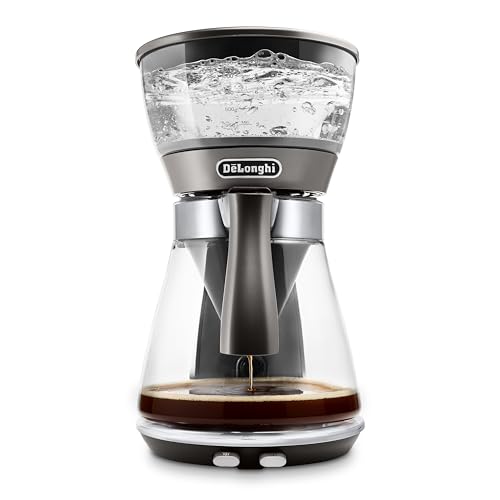
De'Longhi Clessidra 2 in 1 Drip Coffee Machine ICM17210, Pour-Over
ASIN B07GFRGF5M • $149 • Ships from Amazon AU
The De'Longhi Clessidra is the pour-over pick, for someone who likes hand-brewed filter coffee but wants a machine to do the pouring. It's listed at $149, sold by Amazon AU, and ranks #15 in Amazon AU's Bean-to-Cup Coffee Machines category and #15,117 overall. Its model is ICM 17210, and the listing gives a 2 year warranty. It's one of two picks whose listing states a brewing standard, and the one that states the temperature outright, which is the figure most drip machine listings leave out. Amazon AU sells it directly, which makes a return straightforward if the carafe arrives cracked.
The listing says its brewing system is approved by the European Coffee Brewing Centre and brews in a precise range of 92 to 96 degrees with controlled infusion time, and describes a slower brewing process meant to copy the manual pour-over method at the touch of a button. It brews up to 10 cups into a 1.25L glass carafe that sits on a keep-warm plate, and an anti-drip system stops the flow when the carafe is lifted out. The listing repeats its feature lines twice but adds nothing beyond these five, so wattage and auto off aren't stated. Of the six picks, it's the one built around how the water meets the coffee rather than around extra settings.
Expect a slower brew than a standard drip machine, which is the point of the design. Descale it on schedule, since scale lowers the brew temperature it's built around. Pour the coffee into a flask rather than leaving it on the plate. Use a medium grind, since the slow pour can overflow the basket if the grounds are too fine. Rinse the basket's anti-drip valve after each brew. Hand wash the glass carafe, and replace it at the first chip rather than waiting for it to crack. De'Longhi has local service, so ask for parts before replacing the machine.
Honest caveats: Its keep-warm plate cooks coffee left on it, like any hotplate machine. The listing doesn't state the wattage, timer or auto off, and its rank overall is well below the Breville and Sunbeam picks. Its brew is slower than a standard drip machine's, by design.
Best for: Pour-over style filter coffee at a stated 92 to 96 degrees, at the touch of a button.
Price: $149 (Amazon AU) • Type: Automatic pour-over drip • Brew temp: 92 to 96 degrees (listing) • Standard: ECBC approved (listing) • Capacity: 10 cups, 1.25L glass carafe • Carafe: Glass on keep-warm plate • Warranty: 2 years • Model: ICM 17210 • Rank: #15 in Bean-to-Cup Coffee Machines, #15,117 overall on Amazon AU
View on Amazon AU
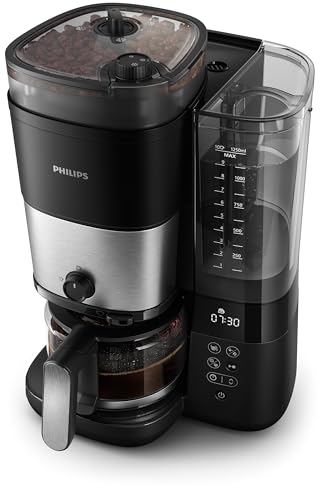
Philips All-in-1 Brew Drip Coffee Maker with Built-in Grinder HD7900/50
ASIN B0FTMLLLLM • $141.55 • Ships from Amazon AU
The Philips All-in-1 Brew is the grinder pick, a drip machine with a burr grinder built in for less than many standalone burr grinders cost. It's listed at $141.55, sold by Amazon AU, and ranks #17 in Amazon AU's Bean-to-Cup Coffee Machines category and #16,885 overall. Its model is HD7900/50, the same code Philips Australia sells on its own site, so it's the Australian model. The listing gives a 2 year warranty. It's the lower-priced of the two grind and brew picks, and it brews into a mug as well as a jug. Amazon AU sells it directly, so a return goes through Amazon if the grinder arrives noisy.
The listing describes an integrated conical burr grinder with adjustable coarseness, with the option to switch to pre-ground coffee at any time. It brews into a jug, cup, mug or tumbler, and its smart dosing works out the water to coffee ratio for you. A detachable, aroma-sealed duo-bean container holds two blends, so you can switch between regular and decaf. It uses a reusable permanent filter rather than paper. The title gives a 10 cup capacity. Philips Australia's page notes that cups and mugs need to be glass or ceramic. Smart dosing takes the guesswork out of the ratio, which is where most weak drip coffee goes wrong.
Brush out the grinder chute every few days, since steam and oils make grounds clump there. Rinse the permanent filter after every brew. Descale it on schedule, and stick to medium roasts rather than very oily dark beans. Keep the bean container sealed between brews so the beans stay fresh. If the grounds stop dropping into the filter, the chute is blocked; unplug the machine and brush it out rather than poking it with a knife. Only brew into glass or ceramic cups and mugs, as Philips Australia's page says, and keep the jug for bigger brews.
Honest caveats: The listing doesn't state the wattage, brew temperature or whether it has a timer, and a permanent filter gives a heavier cup than paper. Grind and brew chutes clog if they aren't brushed out. Cups must be glass or ceramic, per Philips Australia.
Best for: Fresh-ground drip coffee into a jug or mug, with two bean compartments.
Price: $141.55 (Amazon AU) • Type: Grind and brew drip • Grinder: Conical burr, adjustable • Beans: Duo-bean container • Brews into: Jug, cup, mug or tumbler • Filter: Reusable permanent • Warranty: 2 years • Model: HD7900/50 • Rank: #17 in Bean-to-Cup Coffee Machines, #16,885 overall on Amazon AU
View on Amazon AU
Kenmore Elite Grind and Brew Coffee Maker with Burr Grinder, 12 Cup
ASIN B0FFN62WYF • $256.49 • Ships from Amazon AU
The Kenmore Elite is the bigger grind and brew pick, for a household that wants fresh-ground coffee by the jug and a long warranty. It's listed at $256.49, sold by Amazon AU, and ranks #382 in Amazon AU's Coffee Makers category and #42,460 overall. Kenmore is a licensed brand here: Amazon lists the maker as Koolatron, and its part number KKECMGBSS-AU carries an Australian code, unlike the two Kenmore drip machines I left out. The listing gives a 5 year warranty, the longest stated warranty of the six picks. Its AU part code is what separates it from the Kenmore listings I left out.
The listing describes a burr grinder with a grind size selector, and lets you choose 2, 4, 6, 8, 10 or 12 cups so it grinds only what it brews, or switch the grinder off to use pre-ground coffee. A 220ml airtight hopper holds the beans. It has a programmable automatic timer, mild, medium and strong settings, and a built-in charcoal water filter for taste and odour. Its title calls it stainless steel and a 12 cup machine. The listing doesn't state the carafe type, wattage or brew temperature, so check those on arrival. Choosing the cup count is the feature that matters on a grind and brew machine, because it means the machine grinds two cups' worth on a quiet morning rather than a full hopper.
Brush the grinder chute out every few days and keep the hopper sealed. Change the charcoal filter as the manual says, and remember it doesn't stop scale, so descale on schedule as well. Keep its warranty paperwork somewhere you'll find it. If the grounds stop dropping or the grinder strains, unplug it before clearing the chute, and never push the beans down with a spoon while it's running. Wipe the hopper out with a dry cloth when you change beans, since old oils go stale and taint the new ones. Register the 5 year warranty when it arrives, and keep the receipt with the manual.
Honest caveats: It's ranked well below the other picks overall, and the listing doesn't state the carafe type, wattage or brew temperature. Its charcoal filter doesn't remove scale minerals. Kenmore is a licensed name made by Koolatron, so service goes through Koolatron.
Best for: Fresh-ground coffee by the jug, with a selectable cup count and a 5 year warranty.
Price: $256.49 (Amazon AU) • Type: Grind and brew drip • Grinder: Burr, grind size selector • Cups: 2 to 12, selectable • Hopper: 220ml airtight • Water filter: Charcoal, built in • Warranty: 5 years • Part number: KKECMGBSS-AU • Rank: #382 in Coffee Makers, #42,460 overall on Amazon AU
View on Amazon AU
Breville BDC465BSS the Luxe Brewer Thermal Carafe Drip Coffee Machine
ASIN B0FQBM7DC3 • $466.01 • Ships from Amazon AU
The Breville Luxe Brewer is the premium pick, for someone who wants to control the brew and keep the coffee hot without a hotplate. It's listed at $466.01, the highest price of the six, sold by Amazon AU, and ranks #423 in Amazon AU's Coffee Makers category and #48,019 overall. Its part number is BDC465BSS4IAN1, and the listing gives a 2 year warranty. Its title calls it SCA approved, and it's the one pick whose listing names a thermal carafe, which is the feature that changes how the coffee tastes an hour after brewing. Amazon AU sells it directly, so a return goes through Amazon, which matters at this price.
The listing describes one-touch brewing of a cup or a carafe to the SCA's Golden Standard, a custom brew mode that lets you set the bloom volume, bloom time, brew temperature and flow rate and remembers them, and a cold brew preset that's ready in up to 30 minutes depending on volume. Its dual-wall thermal carafe keeps coffee above 65 degrees for up to 4 hours. It has a 24 hour delayed start and a removable 1.8L, 12 cup water tank with measuring lines, and it takes different filter baskets, cone and flat bottom, for different flavours. The listing says the custom profile remembers your settings, so once it's dialled in it brews the same way each morning, and the cold brew preset suits a Central Coast summer.
Rinse the thermal carafe with hot water before brewing so the coffee stays hotter, and never put it on a stove. Descale it on schedule, and clean the baskets after every brew. Keep the carafe lid open to dry between uses. Fill the removable tank at the sink rather than pouring around the machine. Start with the one-touch brew for a week before using the custom settings, so you know what the default tastes like. Wash the thermal carafe by hand with a bottle brush, since a dishwasher can damage the seal between its walls.
Honest caveats: It's the highest-priced pick, with the weakest overall rank of the six, and it has no grinder. The listing doesn't state the wattage. Its custom settings take some trial and error to get right. The thermal carafe needs hand washing.
Best for: Control over bloom, temperature and flow, with coffee kept hot for hours in a thermal carafe.
Price: $466.01 (Amazon AU) • Type: Drip, hot and cold brew • Standard: SCA approved (title) • Custom brew: Bloom, temperature, flow • Carafe: Thermal, above 65C for 4 hours • Tank: 1.8L removable, 12 cup • Timer: 24 hour delayed start • Part number: BDC465BSS4IAN1 • Rank: #423 in Coffee Makers, #48,019 overall on Amazon AU
View on Amazon AUSide-by-side comparison
What we see fail in the workshop: filter coffee machine faults
Filter coffee machines have very few parts, so when one stops working it usually comes down to the same short list. Almost every fault we see traces back to scale, a jug left on a hot plate, or a grinder chute that was never cleaned, and most of them are preventable with ten minutes a month. Here's what each one looks like when it comes in.
Scale that blocks the tube and trips the fuse
Drip machines push water up a tube with heat alone, through a small one-way valve. Scale narrows that tube until the machine gurgles, steams, brews slowly and finally stops. Before that, an element choked with scale runs hotter than it should, and many machines carry a thermal fuse that blows to protect them. A machine that went dead after months of slow brewing has often blown that fuse. Descaling on schedule prevents nearly all of it.
Cracked jugs and scorched plates
A glass jug left on the hotplate after the coffee has evaporated overheats and can crack, and the coffee that bakes onto the plate leaves a crust that keeps burning. A cold jug filled straight from a hot plate can crack the other way. Turn the machine off once the jug is poured, wipe the plate when it's cool, and replace a jug with a chip in it, since a chip is where the crack starts. Never put a thermal carafe on a hotplate.
Grinder chutes that clog and motors that strain
On grind and brew machines, steam from the brew rises into the chute that drops the grounds, so the grounds turn damp and stick. The chute clogs, grounds back up into the burrs, and the motor strains against them. Very oily dark roast beans make it worse. Brush the chute out every few days, keep the hopper sealed, and never push a jammed grinder with a knife or a spoon while it's plugged in.
Decision tree: which one should you actually buy?
- A reliable everyday drip machine? → The Breville Aroma Style at $98 has a 24 hour timer, strength control, a multiple flow shower and a 2 year warranty.
- A big morning jug for the least? → The Sunbeam PC7900 at $67 brews 12 small cups into a 1.5L jug and has the best overall rank of the six.
- Want pour-over style at a stated temperature? → The De'Longhi Clessidra at $149 brews at 92 to 96 degrees and is ECBC approved.
- Fresh-ground coffee into a mug? → The Philips All-in-1 Brew at $141.55 has a conical burr grinder and two bean compartments, or the Kenmore Elite at $256.49 adds a 5 year warranty.
- Coffee kept hot for hours without a hotplate? → The Breville Luxe Brewer at $466.01 has a thermal carafe and lets you set bloom, temperature and flow.
- Dropped your phone in the coffee? → Liquid damage is one of our most common repairs. Bring it into our Erina workshop quickly, turned off, and we'll check it before you spend anything.
Frequently asked questions
Is drip filter coffee as good as espresso?
It's different rather than worse. Filter coffee is brewed slowly through a paper or mesh filter, so it's lighter in body, lower in concentration and shows more of a bean's fruit and floral flavour. Espresso is pushed through finely ground coffee under pressure for a small, strong shot. A good drip machine at the right temperature with fresh coffee makes an excellent cup, and it's far easier to make for a household than a round of espressos.
How often should I descale a filter coffee machine?
Every two to three months on soft water, which covers much of the Central Coast, and monthly on hard bore or tank water or with heavy use. Signs it's overdue are gurgling, extra steam, a slower brew and cooler coffee. Use a citric acid descaler or the maker's own product as the manual describes, then run two or three tanks of clean water through. A charcoal water filter improves taste but doesn't stop scale.
Hotplate or thermal carafe?
A thermal carafe if the coffee sits for more than half an hour. A hotplate keeps a glass jug hot but keeps cooking the coffee, which turns flat and bitter within about an hour. A thermal carafe is a double-walled flask that holds the heat without any power, and the Breville Luxe Brewer's listing says up to 4 hours above 65 degrees. If you have a hotplate machine, pour the brew into a vacuum flask once it's done.
How much coffee should I use in a drip machine?
About 55 grams per litre of water, the ratio behind the Specialty Coffee Association's Golden Cup standard. That's roughly two level tablespoons for each standard cup the machine measures. Most weak filter coffee comes from using too little coffee rather than a poor machine. Use a medium grind, about like coarse sand, since plunger grind is too coarse and espresso grind can overflow the basket. Weigh it for a week and then judge it by the scoop.
Are grind and brew machines worth it?
If you buy whole beans and don't own a burr grinder, yes, because freshly ground coffee tastes noticeably better than grounds opened a week ago. The Philips All-in-1 Brew and Kenmore Elite both use burr grinders rather than blades. The trade-off is cleaning: steam rises into the grounds chute and makes it clog, so brush it out every few days and avoid very oily dark roasts. Both also brew pre-ground coffee with the grinder off.
Why does my coffee machine trip the power?
Usually because it shares a socket or powerboard with the kettle or toaster. A standard 10 amp socket supplies about 2,400 watts, and a kettle alone can draw 2,200, so a kettle and a coffee machine together can trip the breaker. Move them to separate wall sockets. If the machine trips the power on its own socket, stop using it, since that can be a fault in the element or wiring, and have it checked before plugging it in again.
Related buying guides
Phone had a coffee spill?
Liquid damage is one of the most common faults we fix. Turn the phone off, don't charge it, and bring it into our Erina workshop. We'll check it and tell you what it needs before you spend anything.
Visit our Erina workshop Book Online