![Samsung Galaxy S26 [AU Version]](/images/affiliate-products/B0GLWMP55P.jpg)
![Samsung Galaxy S26 Ultra [AU Version]](/images/affiliate-products/B0GLXW1B5N.jpg)
Android prices from Amazon AU, updated daily. iPhone prices are reference figures. Swipe or use the arrows for more.
Disclosure: This article contains affiliate links to amazon.com.au. If you buy through one of these links iFix may earn a small commission at no extra cost to you. It doesn't change which products we recommend. We focus on what actually lasts based on 16 years of repair-shop experience.
Quick summary4 picks
- CheapestApple iPhone 17 about$1,497.00120Hz refresh.
- Samsung Galaxy S26 [AU Version] about$1,127
- Samsung Galaxy S26 Ultra [AU Version] about$2,197.005000mAh.
- Most PremiumApple iPhone 17 Pro Max 512GB about$2,385
Why this matters now
Most "best phone" lists are written by people who hand the phone back after a fortnight. I keep seeing them, years later, when they land on my bench with a swollen battery or a spidered screen. That is the lens this guide is written through: not which phone reviews best in week one, but which one is still worth owning, and worth fixing, in year four.
The timing matters because the upgrade-every-two-years habit no longer adds up. Australian consumer prices are up 24.2% since 2019 on the ABS Consumer Price Index, while real wages have crept up just 0.3% over the same period once inflation is taken out. In plain terms, everything costs a quarter more and pay packets have barely moved, so churning through a $2,000 phone every second year is a luxury fewer households can justify. The smarter play is to buy a flagship built to last four years and keep it there. That is exactly where a repair bench sees the truth the spec sheets hide: which phones survive year three and four, whose batteries are worth replacing, and whose parts you can actually get in Australia.
This is counter-programming against the whole upgrade cycle. If you are choosing your first flagship or weighing the jump between platforms, our longer read on iPhone versus Android in 2026 lays out the ecosystem trade-offs; this guide is about picking the specific handset you will keep the longest.
What makes a flagship worth keeping four years
The price gap between these and a mid-ranger is not the badge. It is a handful of things that decide whether the phone is still yours in four years or landfill in two.
- Software support runway. This is the single biggest change in phones this decade. Samsung, Apple and Google now all promise around seven years of OS and security updates on their flagship lines. A mid-tier Android that loses updates at three years forces the upgrade; a flagship that stays patched into the early 2030s does not.
- Battery serviceability. Every lithium cell degrades. That is chemistry, not a defect. What matters is whether you can replace it. All four phones here have a genuine, replaceable battery, so at year three or four you fit a fresh cell for around $150 instead of buying a new phone. That one fact is what turns a $2,000 purchase into a four-year one.
- Glass and the cost of a crack. The screen is the number-one repair we see, and the bigger and more curved the panel, the dearer the glass. Tougher front and back glass, Gorilla Glass Ceramic 2 on the Samsung, Ceramic Shield 2 on the iPhones, cuts the odds of a cracked-rear job, but a case still pays for itself the first time you drop it.
- Parts availability in Australia. A phone is only as repairable as its supply chain. iPhone and Samsung parts are the deepest here, which is one reason the value pick on this list is a Samsung: a screen or battery job turns around fast rather than waiting on stock. Other brands are improving but still thinner on the ground in AU.
- Total cost per year of use. Do the division. A $1,127 Samsung S26 kept four years is about $387 a year. A $600 mid-ranger churned every two years is $300 a year on paper but doubles the migrations, the setup and the e-waste. Sticker price is the worst way to compare phones you keep.
The four picks, by what you actually do
Prices are current at the time of writing (August 2026) and move week to week on premium gear, so treat every figure as "around". Two of the four are iPhones and two are Android; the split below is by the job and the ecosystem, not the logo.
Samsung Galaxy S26 Ultra: 256GB, AU Version, 200MP camera, 5000mAh, 12GB RAM
Customised processor · 12GB RAM · 256GB · 6.9" Dynamic AMOLED · 200MP camera · 5000mAh, 45W · S Pen · around $2,197 · Ships from Amazon AU
This is the Android phone I point people at when they want to buy once and keep it. Two things earn it the top price. First, it is genuine AU-version stock, so Samsung Australia honours the warranty and Australian Consumer Law follows the sale, the single most important box to tick before you buy any flagship online, because an imported grey-market unit can leave you stranded on a warranty claim. Second, the 5000mAh battery is a real service part, so the failure mode that kills most phones, a tired cell at year three, is a $150 fix here, not a reason to replace the whole thing.
The feature that justifies the money. The 200MP wide camera with the full telephoto array is hardware you will actually use if you shoot, and the S Pen still has no real rival in the Android world. Wrapped in an Armour Aluminium frame with Gorilla Glass Ceramic 2 front and back, it is also one of the tougher bodies we see come across the bench intact.
What to be sure of. The rear glass is beautiful and expensive to replace if you crack it, so case it from day one. And buy the storage you want up front. 256GB is the sensible floor for a phone you will keep four years of photos and apps on.
Best for: Android and Samsung users who want the best camera reach, the S Pen, and seven years of updates on a phone they intend to keep.
Display: 6.9" Dynamic AMOLED, 120Hz · Memory: 12GB RAM · Storage: 256GB · Camera: 200MP wide + telephoto array · Battery: 5000mAh, 45W wired (replaceable) · Updates: 7 years OS + security · Warranty: AU version, 1 year + Australian Consumer Law
Check current AU price
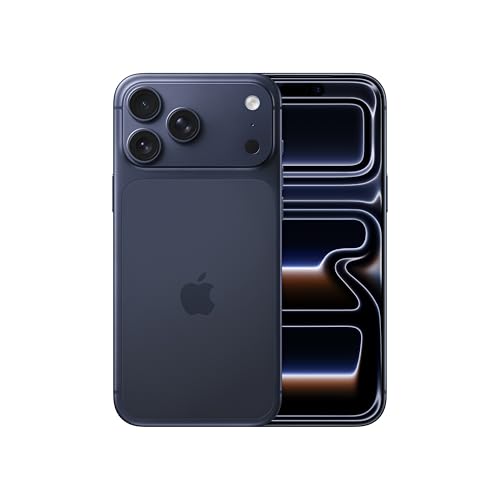
Apple iPhone 17 Pro Max: 512GB, Deep Blue, 6.9" ProMotion, A19 Pro, Pro Fusion camera
A19 Pro (vapour-cooled) · 6.9" ProMotion · 512GB · Pro Fusion 48MP, 8x zoom · best battery life of any iPhone · around $2,385
If you live in the Apple world and want the phone you will keep the longest, this is it. Apple calls it the best battery life of any iPhone yet, and that is not marketing gloss. The heat-forged unibody design frees up internal volume for a bigger cell, and battery endurance is exactly what you care about on the phone you hold for four or five years. The A19 Pro chip is vapour-cooled, so it holds sustained performance through a long session rather than sprinting and throttling, which is the difference you feel in year three, not on day one.
From the bench. The two jobs we see most on any iPhone are a cracked screen and a tired battery around year three, and both are genuine, calibrated repairs rather than write-offs. The 6.9-inch panel is the most expensive iPhone screen to replace, so a case and a screen protector are not optional at this price. Do that, keep a backup running, and the reliability is excellent. iPhones also hold their resale value in Australia better than anything else here, which quietly lowers the real cost of ownership.
Best for: Apple users who want maximum battery life, the largest Pro screen, and the deepest parts and resale support of any brand.
Chip: A19 Pro, vapour-cooled · Display: 6.9" ProMotion 120Hz · Storage: 512GB · Camera: Pro Fusion 48MP array, 8x optical-quality zoom · Glass: Ceramic Shield 2 front, 4x tougher back · Updates: 5–7 years iOS · Warranty: 1 year + Australian Consumer Law
See iPhones at iFix
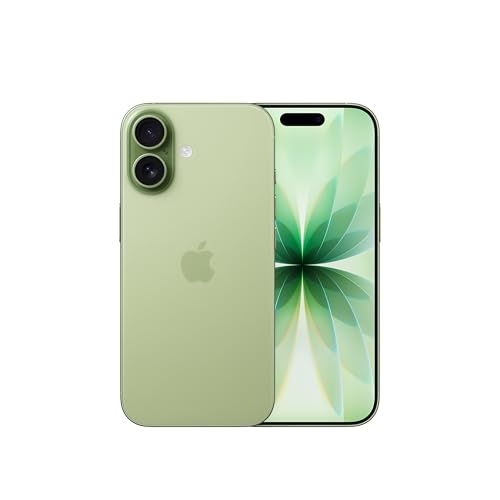
Apple iPhone 17: 256GB, Sage, 6.3" ProMotion 120Hz, A19, 48MP dual camera
A19 · 6.3" ProMotion 120Hz · 256GB · 48MP dual Fusion, 2x zoom · around $1,497.00
For most iPhone buyers, this is the one. The standard iPhone 17 carries the A19 chip and a 6.3-inch ProMotion display at 120Hz, the smooth, fast screen that used to be reserved for the Pro, in a body that is easy to hold and cheap to re-glass if it goes down. You give up the Pro's telephoto reach, the vapour-cooled A19 Pro and some battery, and in exchange you save hundreds and get the iPhone most people actually need.
Read it honestly. The Pro Max exists for people who specifically want the biggest screen, the telephoto zoom and the longest runtime. If that is not you, the plain 17 does the same daily job for a lot less, and the money you save covers a case, a screen protector and the first battery replacement down the track. The 120Hz ProMotion display is the upgrade that keeps it feeling current for years.
Best for: iPhone buyers who want the core iPhone experience and the 120Hz screen without paying Pro money, and who would rather keep the cash.
Chip: A19 · Display: 6.3" ProMotion 120Hz · Storage: 256GB · Camera: Dual 48MP Fusion, 2x optical-quality zoom · Glass: Ceramic Shield 2 front · Updates: 5–7 years iOS · Warranty: 1 year + Australian Consumer Law
See iPhones at iFix
Samsung Galaxy S26: 256GB, AU Version, Black, Dynamic AMOLED 120Hz, seven-year updates
Flagship-class processor · Dynamic AMOLED, 120Hz · 256GB · 50MP triple camera · 7 years updates · around $1,127 · Ships from Amazon AU
This is the value flagship, and it is a genuine one rather than a compromise. The Galaxy S26 gets the same seven-year update promise as the S26 Ultra and the iPhones, a fast Dynamic AMOLED at 120Hz, and Samsung's mature camera processing in a one-hand body. It is genuine AU-version stock, so Samsung Australia honours the warranty and Australian Consumer Law follows the sale, the same protection as the Ultra for a lot less money. At around $1,127 it undercuts the buy-once picks by hundreds, so the total cost per year of use lands lowest here.
The honest trade. What you give up against the Ultra is the S Pen, the 200MP camera and the long telephoto reach, plus some screen size and battery capacity. What you keep is the part that decides whether a phone lasts four years: genuine AU warranty, the same update runway, and Samsung's parts supply, which is among the deepest in Australia. A screen or battery job on an S-series Samsung is quick to turn around in the workshop, which is the repair-supply advantage the value pick usually gives up. For most people that is a fair trade for the money saved.
Best for: anyone who wants a true flagship, deep parts support and a genuine AU warranty, without paying the buy-once premium.
Chip: Flagship-class · Display: Dynamic AMOLED, 120Hz · Storage: 256GB · Camera: 50MP triple camera system · Glass: Gorilla Glass Victus 2 · Updates: 7 years OS + security · Warranty: AU version, 1 year + Australian Consumer Law
Check current AU priceSide-by-side comparison
Prices are approximate and move week to week. All four now ship with a seven-year (or, on the iPhones, a five-to-seven-year) update runway and a genuine replaceable battery, which is why any of them can realistically go four years.
| Product | Price | Best for |
|---|---|---|
| Samsung Galaxy S26 [AU Version] | ~$1,127 | |
| Apple iPhone 17 | ~$1,497.00 | |
| Samsung Galaxy S26 Ultra [AU Version] | ~$2,197.00 | |
| Apple iPhone 17 Pro Max 512GB | ~$2,385 |
How to make one of these last four years
A flagship earns its price only if you get the years out of it. The habits that matter, from the bench:
- Case it and put a screen protector on it day one. The cracked screen is the repair we see most, and on a curved flagship panel it is the dearest. A $40 case and protector is the cheapest insurance you will buy.
- Treat the battery as a service item, not a fault. When runtime drops noticeably around year three, that is normal chemistry. Book a genuine battery replacement, around $150, rather than replacing the whole phone. Our guide to iPhone battery replacement in Australia explains what a real one involves.
- Do not chase 100% all day. Leaving a phone plugged in, full and hot, is what ages a battery early. Use the charge-limit or adaptive-charging setting if the phone has one.
- Keep the charge port clean. Half the "won't charge" phones we see are a port packed with pocket lint, not a fault. A careful clean-out often fixes it; if not, the port is a replaceable part.
- Buy the storage you need up front. None of these let you add a card, so 256GB is the sensible floor for four years of photos and apps.
Common mistakes from the repair shop
The flagships that land on my bench early usually got there through a buying or usage decision, not bad luck. The ones worth avoiding:
- Buying a grey-import to save a bit. An imported unit can leave you without a local warranty and, on some Samsung and Google models, without the AU network bands you need. Buy the AU version.
- Running a phone with a spidered screen. A small crack lets moisture and dust reach the display and digitiser, turning a screen job into a screen-plus-board job. Fix it early.
- Fitting a cheap third-party battery. Counterfeit cells report impossible health figures and fail fast, and a bad one can swell. We only fit calibrated batteries with real data behind them. If you are curious why the cheap ones fail, we wrote about fake iPhone batteries at length.
- No backup, then a drowned phone. Water damage is the failure that most often turns a fixable phone into a write-off. If it goes in the drink, power it off and get it to us fast. And keep a cloud backup running so your data is never hostage to the hardware.
- Assuming the one-year warranty is the limit. For a phone at this price, Australian Consumer Law reaches well past twelve months. People write off claimable faults because a card said "one year". Keep the invoice.
Which one is right for you?
- Android, and you want to buy once and keep it? Galaxy S26 Ultra at around $2,197: best camera reach, the S Pen, seven years of updates.
- Apple, and battery life matters most? iPhone 17 Pro Max at around $2,385: the longest-lasting iPhone Apple has shipped, with the deepest parts and resale support.
- An iPhone for most people? iPhone 17 at around $1,497: the A19, a 120Hz ProMotion screen and a 48MP dual camera in the sensible size, for hundreds less than the Pro Max. Weighing which iPhone in particular? Our which iPhone to buy guide ranks the whole 2026 line-up.
- The most flagship for the least money? Samsung Galaxy S26 at around $1,127. Same seven-year update runway, genuine AU warranty and deep parts supply; just step down from the Ultra's S Pen and camera reach.
- Want the most phone for the least outlay full stop? A warranted refurbished handset from our own tested stock often beats every new option here.
Frequently asked questions
Which lasts longer, a Samsung or an Apple flagship?
In the workshop the two are closer than the arguments online suggest. Both Samsung and Apple now promise seven years of software updates on their flagship lines, so neither goes stale first the way a mid-tier Android does at three or four years. What actually decides longevity is the battery and the glass, and both brands use genuine, replaceable cells and published repair paths, so a five-year-old S26 Ultra or iPhone 17 is still worth fixing. If I had to split them, iPhones hold resale value slightly better in Australia and the parts supply is the deepest of any brand, while Samsung's Armour Aluminium and Gorilla Glass Ceramic 2 shrug off drops a touch better. Buy the ecosystem you already live in; both will do four years comfortably.
Is a $2,000 phone worth it when a mid-ranger does the basics?
It depends entirely on how long you keep it. Costed over its life, a $2,000 flagship kept four years is about $500 a year, and a $600 mid-ranger replaced every two years is $300 a year on paper but comes with two of everything: two migrations, two rounds of setup, and a device that loses updates before you have finished paying attention to it. The flagship earns its price through the seven-year update runway, the better camera, and a battery worth replacing rather than binning. If you upgrade every two years regardless, buy the mid-ranger. If you keep a phone until it genuinely stops working, the flagship is the cheaper choice per year of use.
Can you replace the battery in these phones, or are they sealed?
All four are glued shut, but all four have a genuine, replaceable battery behind the glass, and that is the point. Every lithium cell degrades: after two to three years you will notice the runtime drop, and that is normal chemistry rather than a fault. A genuine battery replacement restores near-new endurance for around $150 depending on the model, which is why a phone worth $2,000 new is still worth keeping at year four. The job we warn people off is the cheap third-party cell. Counterfeit batteries report impossible health figures and fail fast. We only fit calibrated cells with real data behind them.
Samsung Galaxy S26 Ultra or iPhone 17 Pro Max. Which should I buy?
Choose on ecosystem and camera, not on the spec sheet, because both are excellent and both will last four years. The S26 Ultra suits you if you are already in Samsung or Android, want the S Pen, and shoot the 200MP camera with the full telephoto reach. The 17 Pro Max suits you if you are in the Apple world, want the longest battery life Apple has ever shipped, and value the resale and the parts depth. In the workshop we see both about as often, and both come in mostly for the same two things: cracked screens and tired batteries around year three. The Pro Max is the smaller repair bill of the two if you crack the glass, because its panel costs a little less to replace than the Ultra's.
Is the Samsung Galaxy S26 a downgrade at $1,127?
Not on the things that matter for keeping a phone four years. The Galaxy S26 gets the same seven-year update promise as the S26 Ultra and the iPhones, a fast 120Hz Dynamic AMOLED, and Samsung's mature camera processing in a one-hand body. What you give up against the Ultra is the S Pen, the 200MP camera and the long telephoto reach, plus some screen size and battery capacity. What you keep is the part that decides longevity: genuine AU warranty, deep Samsung parts supply and the same update runway. For most people it is the smart-money flagship on this list, and the total cost per year of use lands lowest here.
Should I buy a refurbished flagship instead of new?
Often, yes, and it is the honest answer for anyone whose real question is the most phone for the least money. A properly refurbished flagship from the previous generation gives you most of the experience for a meaningful step down in outlay, and with the seven-year update runway on recent phones it will still get security patches for years. The risk on the open market is the lottery of the last repair: counterfeit batteries, aftermarket screens that break biometrics, and water-damaged units sold as clean. iFix sells warranted refurbished phones from our own tested stock, checked in the workshop with genuine parts, so you get the value without the gamble.
What breaks most on flagship phones?
Screens first, batteries second, charge ports a distant third. The cracked screen is the number-one job we see, and the bigger and more curved the panel the dearer the glass, which is a quiet argument for a case and a screen protector on any phone at this price. Batteries are not a fault but a consumable, and they reach the noticeable-decline point around two to three years in. Charge ports wear or fill with pocket lint and stop charging reliably, which is usually a clean or a port replacement rather than a new phone. Water damage is the one that turns a fixable phone into a write-off, so if it goes in the drink, power it off and get it to us fast.
Related buying guides
Flagship acting up, or the battery finally gone?
Before you spend two grand replacing a phone that needs a $150 part, bring it into our Erina workshop. In my experience, most phones are either an economical fix or still hold a fully recoverable drive of photos and messages, and we diagnose for free before any paid work. See our pricing guide for what common jobs cost, or walk in to our Erina workshop.
Visit our Erina workshop Book Online