Reference prices for new handsets.
Disclosure: This guide sends you to iFix's own phone range, not to a third-party shop. The prices shown are new-retail reference figures, so use them for comparing models. We focus on what actually lasts based on 16 years of repair-shop experience.
Quick summary4 picks
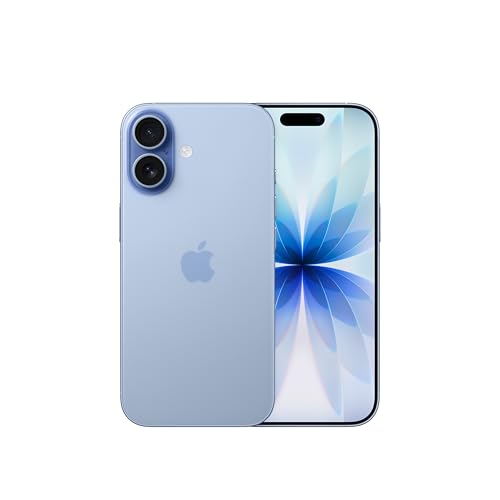
- Apple iPhone 17 256GB about$1,497120Hz refresh.
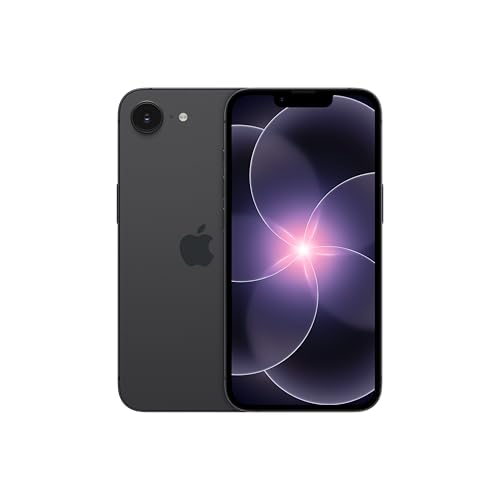
- CheapestApple iPhone 17e about$1,54715W.
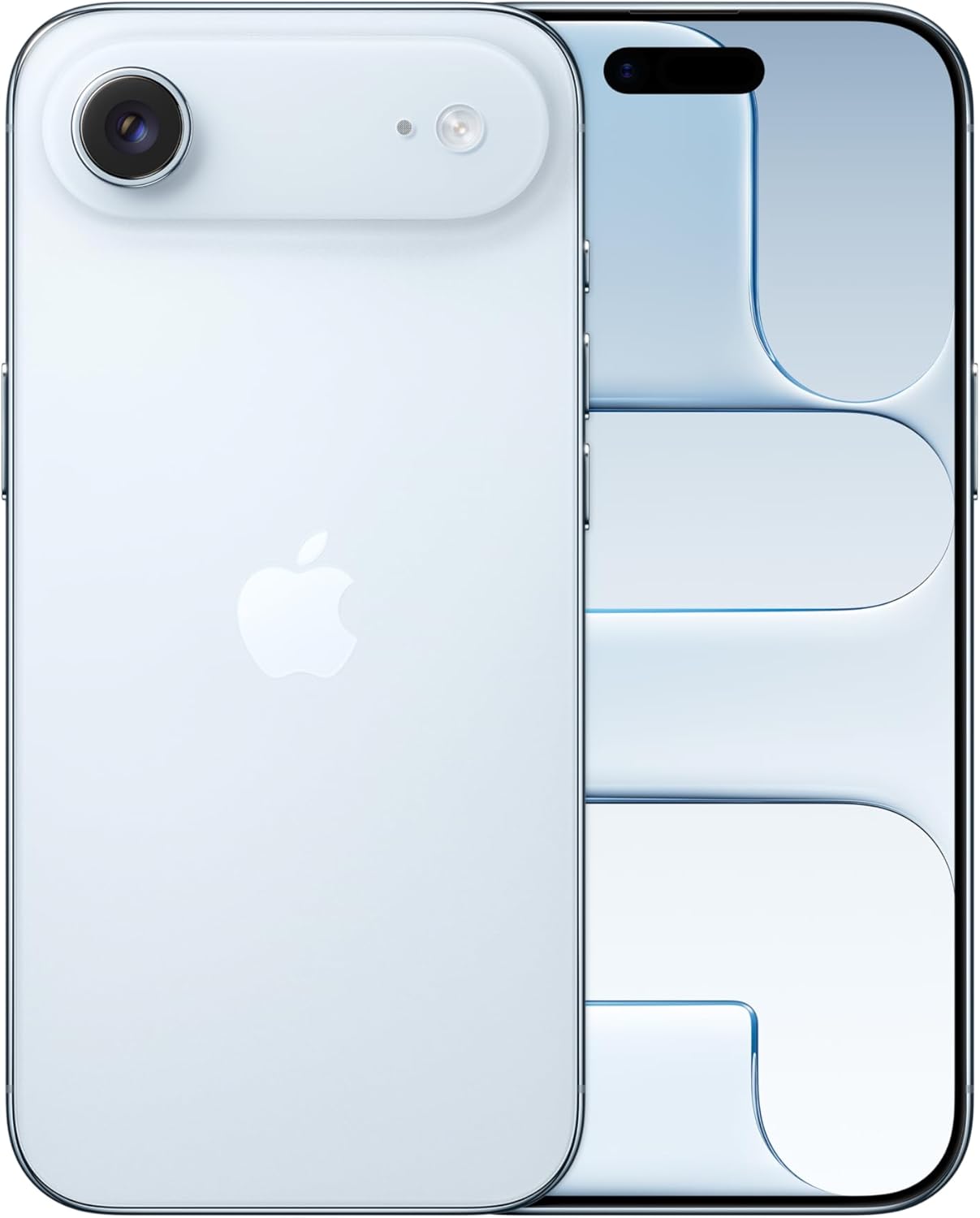
- Apple iPhone Air about$1,797120Hz refresh.
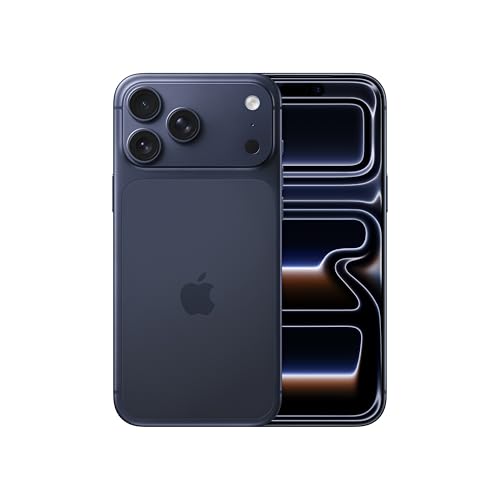
- Most PremiumApple iPhone 17 Pro Max about$2,385
Why this matters now
The "iphone vs android" search is one of the most common questions Australians type before a phone purchase, and most of the answers online are written by people who have never opened either device. I have. After 16 years at the bench in Erina, I see what each model is actually like to live with three, four, five years down the track. That is the lens this guide is written through.
The 2026 Apple line-up is unusual because Apple split it four ways and the pricing no longer maps neatly to quality. The entry model is not a compromise phone, and the dearest is not the best phone for most people. If you buy on the old assumption that "more money equals better choice", you will overpay for capability you never use. The job here is to match the phone to how you actually use it, then to your budget, in that order.
One more thing before the picks. iPhones hold their value in Australia and stay worth repairing for years, which is why we keep a refurbished channel running alongside this guide. If you do not need brand-new, skip to the section on refurbished iPhones from our own warranted stock further down. For a new purchase, here is the order I would buy in.
What to look for in a 2026 iPhone
The chip and the screen are where the daily experience lives. An A19 Pro chip with a 120Hz ProMotion display feels fast and fluid every time you pick the phone up. A slower chip and a 60Hz panel feel fine in the shop and slightly behind two years later. This single pairing matters more than the camera count for most people, and it is exactly where the value gap between models opens up.
The camera system is the real Pro tax. The jump from the standard models to the Pro line is mostly about the multi-lens camera, the telephoto zoom, and pro video formats. If you shoot a lot, that is money well spent. If your camera roll is mostly kids, food, and the occasional landscape, you are paying for hardware that sits idle.
Battery and screen size are the Pro Max story. The largest phone in the range exists for people who want maximum screen and maximum endurance and will accept the weight and the price to get them. It is a specific need, not a general upgrade.
eSIM versus physical SIM. One model in this range, the Air, drops the physical SIM tray entirely. On a major Australian network that is a non-issue, but it is worth knowing before you buy. More on that in the Air's section.
The four iPhones, ranked by value
Reference prices for new handsets, checked August 2026. They shift week to week, so treat them as the figures at time of writing. For refurbished stock and what is available now, see the iFix phones page.

Apple iPhone Air 256GB
$1,797 • 256GB • reference price • checked August 2026
This is the pick I steer most people to, and the reason is simple. The Air carries the same A19 Pro silicon and the same 120Hz ProMotion display as the Pro models. In daily use, the speed, the smoothness, the way apps open and scroll, all of it is the flagship experience. You are getting the part of an expensive iPhone that you touch every single minute, without the part most people never use.
The thin, light body is genuinely nice to hold, and the trade you make for it is the camera. The Air runs a strong single main camera rather than the Pro's multi-lens telephoto array, and the battery is sized for a slim phone rather than for marathon days. For the way most Australians use a phone, neither of those is a real loss. You get the flagship feel at $1,797 which is why it leads this list on value.
eSIM caveat: the Air has no physical SIM tray, so it is eSIM only. Telstra, Optus, Vodafone and most MVNOs support eSIM, so for the majority of buyers this changes nothing. If you swap handsets constantly or rely on physical prepaid SIMs when travelling, confirm your carrier can issue and transfer an eSIM before you commit.
Best for: almost everyone who wants a current flagship iPhone and does not shoot serious photo or video. The smart-money pick of the range.
Chip: A19 Pro • Display: 120Hz ProMotion • Storage: 256GB • SIM: eSIM only • Camera: single main • Rating: 4.6 / 5
See iPhones at iFix
Apple iPhone 17 256GB
$1,497 • 256GB • reference price • checked August 2026
The standard iPhone 17 is the do-everything pick, and at $1,497 it is only $100 more than the Air. What that hundred dollars buys back is the things the Air trades away: a dual 48MP camera system instead of a single lens, a physical SIM tray alongside eSIM, and a battery sized for a normal-thickness phone. You keep the 6.3-inch 120Hz ProMotion display and the A19 chip, so it still feels fast and fluid every time you pick it up.
This is the phone to buy if you do not want to think about trade-offs. It shoots better than the Air, it takes a physical SIM if you travel or swap networks, and it runs the same smooth high-refresh screen. You are not paying the Pro premium and you are not giving up the everyday flagship feel. For a lot of people this is the sensible middle of the range.
Best for: anyone who wants one phone that does everything well, shoots decent photos, and takes a physical SIM, without stepping up to Pro money.
Chip: A19 • Display: 6.3in 120Hz ProMotion • Camera: dual 48MP • Storage: 256GB • SIM: physical + eSIM
See iPhones at iFix
Apple iPhone 17e 512GB
$1,397 • 512GB • reference price • checked August 2026
The 17e is Apple's lower-cost "e" line, and the version stocked in Australia right now is the roomy 512GB at $1,397. That makes it the storage play: for the same money as the standard iPhone 17 you get double the space, which is a lot of headroom for a big photo library, offline video, and years of app data without ever managing storage.
What you trade for that space is the 17's sharper dual camera and its 120Hz screen. The e-line runs a simpler single-camera setup and a standard 60Hz display, so it feels a touch less slick than the pricier models and it is not the phone for keen photographers. It is still a current iPhone, though, with the same long iOS support runway and the build quality that keeps these worth repairing years down the track. If you fill phones with media and would rather have room than a telephoto lens, this is the honest choice.
Best for: people who hoard photos and video, want maximum storage without flagship outlay, and do not care about the sharpest camera or the fastest screen.
Storage: 512GB • OS: current iOS • Camera: single main • Display: standard 60Hz • SIM: physical + eSIM
See iPhones at iFix
Apple iPhone 17 Pro Max 512GB
$2,397 • 512GB • reference price • checked August 2026
This is the top of the 2026 range and, importantly, the only new iPhone in this guide that carries the full Pro camera system: the multi-lens setup, the telephoto zoom, and the pro video formats. It also has the biggest screen and the longest battery in the line-up. The version on Australian shelves is the 512GB at $2,397, the priciest phone on this list by a clear margin.
Be honest with yourself about why you would buy it. If you shoot serious photo or video, or you genuinely want the largest display and the most endurance, it earns its price and there is no cheaper new way to get that camera. If you do not, the chip-and-screen experience that makes it feel premium is also in the Air and the iPhone 17 for a lot less, and you would be paying for a camera and a size you will not use. Buy the Max for the cameras, the screen and the battery, not because it sits at the top of the list.
Best for: keen photographers and video shooters, and anyone who specifically wants the biggest display and the longest battery and has the budget. Everyone else should look one or two models down.
Chip: A19 Pro • Display: largest in range, 120Hz • Camera: multi-lens Pro with telephoto • Battery: longest in range • Storage: 512GB
See iPhones at iFixSide-by-side comparison
| Product | Price | Best for |
|---|---|---|
| Apple iPhone 17e | ~$1,547 | |
| Apple iPhone Air | ~$1,797 | |
| Apple iPhone 17 Pro Max | ~$2,385 | |
| Apple iPhone 17 256GB | ~$1,497 | The No-Compromise All-Rounder |
What I see in the workshop
Here is the part the spec sheets leave out: how these phones age, and what walks into the shop. After more than a decade fixing iPhones, a few patterns are worth knowing before you spend $1,300 to $2,400.
Screens are the number-one repair, and the bigger the phone the dearer the glass. The Pro Max has the largest, most expensive display in the range to replace if you crack it. If you are clumsy with phones, that is a real running cost over the life of the device, and another quiet argument for the smaller models. A case and a screen protector pay for themselves the first time you drop it.
Batteries are a consumable, not a fault. Every lithium battery degrades. After two to three years you will notice the runtime drop, and that is normal chemistry rather than a defective phone. The good news with iPhones is that a genuine battery replacement restores them to near-new endurance, which is why a five-year-old iPhone is still worth fixing. Beware the counterfeit battery market, though. Fake cells report impossible health figures and fail fast. We only fit calibrated cells with real gas-gauge data.
Face ID and aftermarket screens do not mix. If you ever get a screen replaced outside Apple or a proper repair shop, a low-grade aftermarket panel can break Face ID and True Tone. The Face ID array is a set of paired optical components, and disturbing it during a bad repair is one of the more common ways people lose biometric unlock. This matters most if you buy a used or refurbished phone from an anonymous seller who may have cut corners on a prior repair.
iPhones last, which changes the maths. Because Apple supports these phones with years of iOS updates, an iPhone bought new in 2026 should stay current well into the early 2030s. That long life is the real argument in the iphone versus android debate for anyone who keeps a phone a long time or hands it down. If you are cross-shopping the best of both worlds, our guide to the best flagship phones in Australia for 2026 ranks these iPhones against the Galaxy S26 Ultra and Pixel 10 Pro XL. It also means the resale value stays high. A phone you can sell on, or repair at low cost, is a better buy than a slightly faster one that is unsupported in three years. If you are weighing repair against replacement on an older device generally, the same logic applies that we lay out for laptops in our guide on upgrading an old MacBook instead of buying new.
The refurbished alternative: iFix's own stock
Brand-new is not the only smart play. If the new prices above feel steep, a properly refurbished iPhone from the previous generation gives you most of the experience for a meaningful step down in outlay. The catch on the open market is the lottery of who did the last repair: counterfeit batteries, aftermarket screens that break Face ID, and water-damaged units sold as clean.
That is exactly why iFix runs its own refurbished channel. We sell warranted refurbished iPhones from our own tested stock at our refurbished phones store, checked in the workshop, with genuine parts and a real warranty behind them. You get the value of refurbished without the risk of an unknown reseller. If your honest answer to "which iPhone should I buy" is "the most phone for the least money", a warranted refurbished unit often beats every new model on this list. For the full rundown on what to check, read our guide to buying refurbished phones in Australia.
So which iPhone should you buy?
- You want the smart-money flagship. iPhone Air ($1,297). The A19 Pro chip and 120Hz screen give you the flagship feel without the Pro tax. Just confirm your carrier handles eSIM.
- You want one phone that does everything well. iPhone 17 ($1,397). The dual camera and physical SIM the Air leaves out, with the same 120Hz screen and only $100 more.
- You want the most storage for your money. iPhone 17e 512GB ($1,397). Double the space of the others at the same price, if you can live without the sharper camera and the 120Hz screen.
- You want the biggest screen, longest battery, and the full Pro camera. iPhone 17 Pro Max 512GB ($2,397). The right phone for that specific need, the wrong default for everyone else.
- You want the most phone for the least money. A warranted refurbished iPhone from our own stock often beats every new option here.
On the Central Coast and want a hand choosing, transferring your data, or sorting out a phone that is playing up? Walk in to our Erina workshop and we will talk it through in plain language. We can move your data across, fit a genuine battery, and tell you honestly whether your current phone is worth keeping another year.
Buying a new iPhone, or breathing life into your old one?
If you would like a hand picking the right model, moving your data across, or you have a cracked screen, dying battery, or Face ID issue, we are happy to help on the Central Coast. Genuine parts, real warranty, no upsell.