Prices from Amazon AU, updated daily. Swipe or use the arrows for more.
Disclosure: This article contains affiliate links to amazon.com.au. If you buy through one of these links iFix may earn a small commission at no extra cost to you. It doesn't change which products we recommend. We focus on what actually lasts based on 16 years of repair-shop experience.
Quick summary9 picks
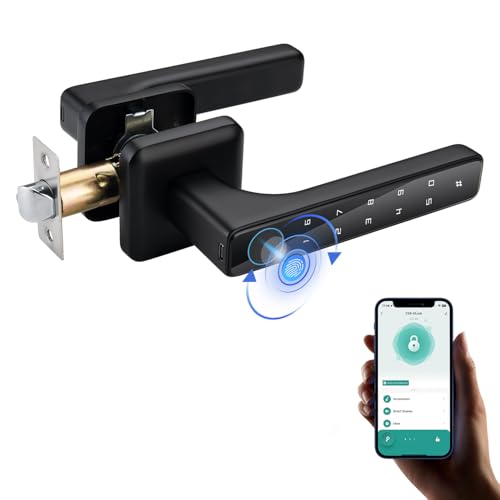
- CheapestLKUWEE Smart Lock 4 in 1 about$49.99
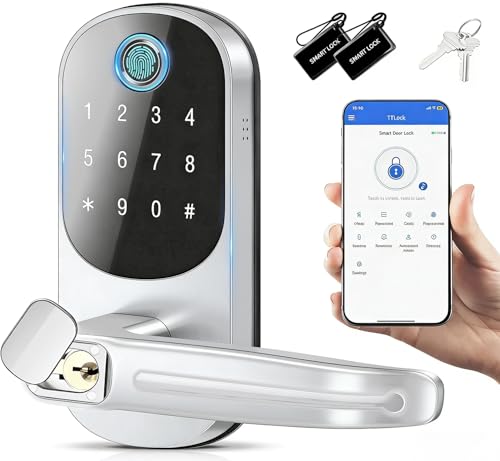
- TEKXDD Silver Smart Lock - Electronic Door… about$89.99
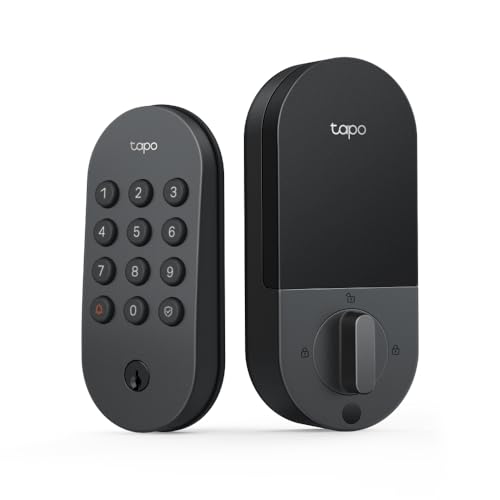
- Tapo DL100 Smart Door Lock about$149
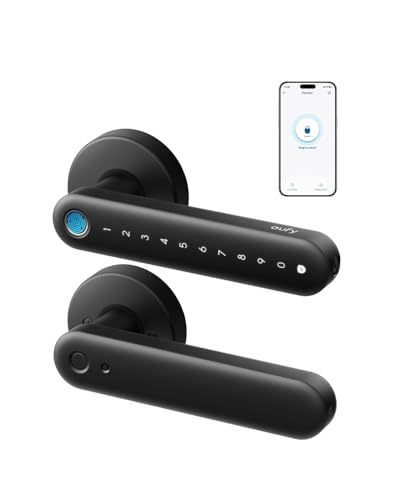
- eufy FamiLock C32 Smart Lock about$149
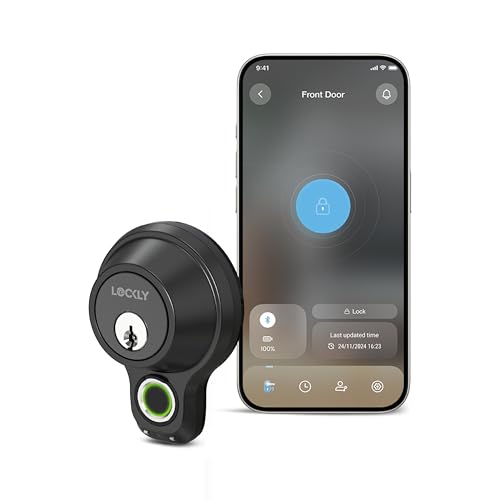
- Lockly Model X Smart Door Lock. Fingerprint… about$229.00
- B: The Deadbolt Retrofit PickAqara Smart Lock U100 about$279
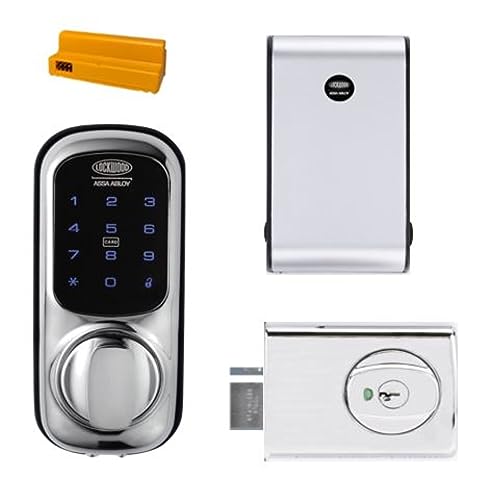
- Lockwood 001 Touch Plus™ Smart Deadlatch… about$425.83
- Aqara Smart Lock U300 about$449
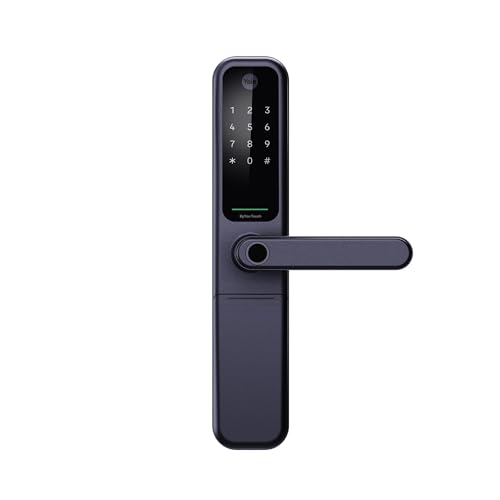
- Most PremiumYale ByYou Pro Smart Mortise Lock -… about$699.00
The lock on your door is now a computer, so buy it like one
Strip the marketing off a smart lock and here is what you are actually bolting to your front door: a battery-powered computer with a small electric motor, a radio, and a fingerprint sensor, living outside in Australian weather, doing the one job in your house that is never allowed to fail. That framing sorts the whole category for you. The locks worth buying were designed by people who thought hard about flat batteries, wet thumbs and doors that swell in February humidity. The rest are app screenshots wrapped around a gearbox that costs less than the packaging.
The failures that reach my workshop back this up. It is almost never the electronics. It is alkaline cells sagging in the afternoon heat on a west-facing door, battery contacts growing green fuzz two streets back from the beach, and motors stripping their own gears because the bolt has been grinding into a misaligned strike plate since the day it was fitted. Mechanical quality and battery behaviour decide whether a smart lock lasts. The app is the least important thing about it.
One warning before the picks: the category is currently flooded with unknown brands offering face recognition and big spec sheets for less than any lock here, and an unbranded lock with no firmware history guarding your front door is a bad trade at any price. All three picks below come from manufacturers with years of update history and Australian distribution. If you are building out home security more broadly, this guide pairs with our video doorbell picks published the same day; lock and doorbell are the two halves of the same front-door decision.
What matters in a smart lock: mechanics first, radios second
Fingerprint readers in real weather
Capacitive fingerprint sensors read the ridge pattern just under the skin, so a bit of sweat is fine. Properly wet hands are not: a film of water scrambles the read, and you will stand there failing scans until you dry your thumb. Heat is the sneakier problem. A sensor housing on a west-facing door in January can sit above 50 degrees, and hot sensor plus sweaty finger is the combination that produces the "it never works in summer" complaint. The fix costs nothing: enrol the same finger two or three times, add a second finger, and remember the keypad exists. Every pick here has one.
Ask the dead-battery question before you buy, not after
Every smart lock dies eventually, usually at the least convenient hour, so the emergency plan is a primary spec. All three picks carry an external USB-C contact: press a charged power bank against it and the lock boots in seconds, ready for a fingerprint or PIN. All three also keep an old-fashioned mechanical keyway as the final fallback. Never buy a lock with no physical fallback. A lock that can strand you on your own doorstep has failed the job description, no matter how good the app looks.
Matter over Thread vs Wi-Fi vs Bluetooth: local control is the point
Three radios dominate this category and they are not equal. Bluetooth-only locks are fine until you want to let a tradie in while you are at work; no range, no remote anything, which is exactly where the U100 below sits until you add an Aqara Zigbee hub to it. Wi-Fi locks like the eufy give you remote unlock and notifications out of the box, at the cost of heavier battery drain and a dependence on your router and, for some features, the vendor's cloud. Matter over Thread, which the U300 runs, is the one I now steer people toward: the lock talks to a local border router (a HomePod mini, Apple TV 4K or recent Nest hub), automations run on your own network, and an NBN outage or a vendor server failure changes nothing about whether your door opens. A lock that needs the cloud to open is a liability. It is the same local-first logic behind our no-subscription PoE camera system picks: your security hardware should keep working when someone else's server does not.
Will it fit an Australian door?
Most Australian external doors carry either a single-cylinder deadbolt, a knob-set with a deadlatch, or on older homes a mortice lock set into the door edge. Bore-through smart locks swap cleanly onto the first two. A mortice door needs conversion work or a mortice-specific model, so identify what you have before you click buy. Then measure twice: the backset (door edge to centre of the bore, 60 mm or 70 mm on most local doors) and the door thickness (35 to 45 mm is typical). Renters and apartment owners have one extra step, because changing a front-door lock needs landlord consent in writing, and in strata buildings the door itself is often common property. Our budget smart home guide covers more gear that does not need anyone's permission; within this article, the eufy interior lock is the renter-safe option.
The three picks, from $179 to $449
Prices are Amazon AU at time of writing (6 August 2026) and move week to week. Category ranks are Amazon AU's, checked the same day.

Aqara Smart Lock U300 (Fingerprint, Matter over Thread, Apple Home Key)
ASIN B0DJJYF394 • $449.00 • Ships from Aqara AU
Sitting at #5 in Amazon AU's Door Hardware & Locks category, the U300 is the lock I point at anyone already running a smart home, and the reason is the radio. Matter over Thread means it joins Apple Home, Google Home or Alexa natively, control stays on your local network, and the lock keeps taking commands with the internet down. Apple users get Home Key on top: tap an iPhone or Watch against the lock and you are in, no app open, no waiting on a cloud round-trip. Fingerprint, an anti-peep PIN keypad (pad the code with junk digits either side, it still reads the real one) and standard app control round out the entry methods.
The mechanical side is a lever-lock format that suits the latch-style doors common on Australian homes, and the fallback story is the best here: a physical keyway plus an external USB-C pad, so a flat battery costs you thirty seconds with a power bank rather than a locksmith call-out. Buying brand-direct from Aqara's AU storefront also means firmware support and warranty flow through the people who made it.
Honest caveats: Thread needs a border router to shine. A HomePod mini, Apple TV 4K or recent Nest hub does the job; without one you fall back to Bluetooth range and lose the best parts. It replaces your existing handle rather than sitting above it, so check backset and door thickness against Aqara's template before ordering. Black is the only finish.
Best for: Smart-home households, Apple Home users, anyone who wants the lock to outlive the vendor's cloud.
Unlock: Fingerprint, PIN (anti-peep), Apple Home Key NFC, app, mechanical key • Connectivity: Matter over Thread, Bluetooth • Power: AA batteries, USB-C emergency pad • Format: Lever lock • Rank: #5 in Door Hardware & Locks (Amazon AU)
View on Amazon AU
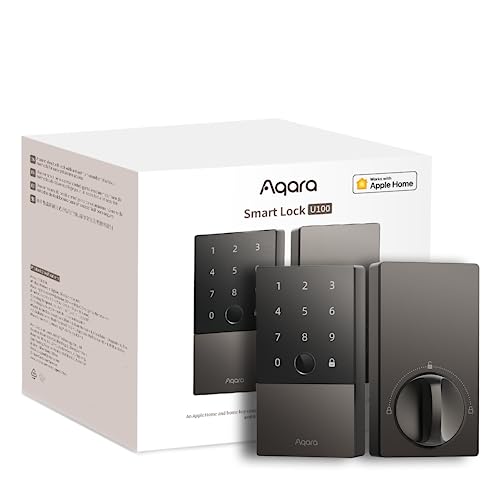
Aqara Smart Lock U100 (Fingerprint Deadbolt, Apple Home Key, IP65)
ASIN B0BZSD2L1W • $279.00 • Ships from Aqara AU
Yes, that is two Aqara locks in a three-pick guide, and I am not going to dress it up as a coincidence. Door format is the reason. The U300 above replaces a lever handle. The U100 is a bore-through deadbolt, and a single-cylinder deadbolt is what sits in a very large share of Australian front doors. Buy the lock that matches the hole already in your door, not the one with the longer spec sheet. It sits at #248 in Amazon AU's Door Hardware & Locks.
Entry runs four ways plus the key: a fingerprint reader holding up to 50 prints, a touchscreen keypad with passwords you can change from the app and one-time local codes you can hand a tradie, Apple Home Key, and a mechanical key for emergencies. The Home Key part is the one people underrate. Tap an iPhone or Apple Watch on the lock and it opens even when that phone is out of power. Fingerprint data stays on the lock, AES encrypted, rather than in a cloud account. Four AA cells run up to eight months, a USB-C port takes emergency power, and the zinc-alloy body is IP65 rated and built to the same safety standard as BHMA Level 3.
Honest caveats: Bluetooth only out of the box. Short-range app control is fine over Bluetooth, but remote access, Alexa, Google Home and IFTTT all want an Aqara Zigbee 3.0 hub, which is a second purchase. The NFC card is sold separately. Check your numbers before ordering: 60 mm or 70 mm backset, 35 to 55 mm door thickness, 54 mm bore.
Best for: Front doors already carrying a single-cylinder deadbolt, Apple households, anyone who wants biometrics stored on the lock instead of in a vendor account.
Unlock: Fingerprint (up to 50), touchscreen keypad, Apple Home Key, app, mechanical key • Connectivity: Bluetooth, Zigbee 3.0 via Aqara hub for remote control • Power: 4x AA, up to 8 months, USB-C emergency port • Weather: IP65, BHMA Level 3 equivalent • Rank: #248 in Door Hardware & Locks (Amazon AU)
View on Amazon AU
eufy Security FamiLock C32 Fingerprint Smart Lock with Handle
ASIN B0GC6V8L9M • $179.00 • Ships from AnkerDirect AU
Read the listing carefully on this one, because eufy is unusually honest about what it is: a handle lock for standard interior doors, and the maker itself does not recommend it for front doors. Respect that and $179 buys a lot. The fingerprint sensor is the quickest here at a claimed 0.3 seconds, with a self-learning algorithm that keeps improving its read of each enrolled finger, which genuinely helps with kids and older family members whose prints scan poorly on cheaper sensors. Wi-Fi is built in, no hub needed, so remote authorisation and app control work out of the box, and it ties into Alexa and Google Assistant.
The power story punches above the price: four AA batteries run over five months, and when they die there is a USB-C emergency port for a power bank plus physical backup keys. Auto-lock on close means the teenager's bedroom-office or the garage entry door is never accidentally left open. Anker's AnkerDirect AU storefront handles fulfilment, and eufy's firmware cadence is well established.
Honest caveats: it is not a front-door lock, full stop; put one of the Aqara locks out there instead. The cylinder cannot be rekeyed, so you cannot match it to an existing key set. Wi-Fi is 2.4 GHz only, which is fine in practice but worth knowing if you run a 5 GHz-only mesh point nearby.
Best for: Garage internal doors, home offices, granny flats, tool and medicine storerooms, renters who cannot touch the front door.
Unlock: Fingerprint (0.3 s), app, mechanical key • Connectivity: Built-in 2.4 GHz Wi-Fi • Power: 4x AA, 5+ months, USB-C emergency port • Format: Handle lock, interior doors • Rank: #29 in Antitheft Locking Devices (Amazon AU)
View on Amazon AUSide-by-side comparison
| Product | Price | Best for |
|---|---|---|
| LKUWEE Smart Lock 4 in 1 | ~$49.99 | |
| Tapo DL100 Smart Door Lock | ~$149 | Keypad deadbolt retrofit with Wi-Fi and Bluetooth, no fingerprint |
| TEKXDD Silver Smart Lock - Electronic Door… | ~$89.99 | |
| eufy FamiLock C32 Smart Lock | ~$149 | |
| Lockly Model X Smart Door Lock. Fingerprint… | ~$229.00 | |
| Lockwood 001 Touch Plus™ Smart Deadlatch… | ~$425.83 | |
| Aqara Smart Lock U300 | ~$449 | |
| Yale ByYou Pro Smart Mortise Lock -… | ~$699.00 | |
| Aqara Smart Lock U100 | ~$279 | B: The Deadbolt Retrofit Pick |
What we see fail in the workshop: smart locks
Smart locks arrive at the workshop in two states: dead and mysterious, or chewed up and obvious. After 16 years of pulling failed electronics apart, the patterns in this category are consistent enough to write down, and none of them start with the app.
Heat murders batteries on west-facing doors
Alkaline AAs are rated for room temperature, not for a black lock body soaking up western sun until it is too hot to touch. Heat accelerates self-discharge and, worse, drives voltage sag under load, so the motor that turned the bolt fine at breakfast stalls at 4 pm on a 38-degree day and the lock reports a flat battery weeks ahead of schedule. If your door cops afternoon sun, buy the darker reality: batteries will run at maybe two-thirds of the rated life, so halve the replacement interval in your head. Where the manufacturer permits them, 1.5 V lithium AAs handle heat far better than alkalines and do not leak when they die. Which matters, because a leaked alkaline cell dissolving the battery contacts is its own repair job.
Salt air eats battery contacts and gets under nickel plating
Around here half the housing stock sits within a few kilometres of salt water, and coastal air is quietly corrosive to every exposed contact in a lock: battery terminals, the USB-C emergency pad, the spring contacts between the outer and inner assemblies. The failure creeps. First the odd unexplained reboot, then intermittent "low battery" warnings with fresh cells, then one morning nothing. Pull the battery tray every three months, look for green or white fuzz, and clean contacts with isopropyl on a cotton bud. A thin smear of dielectric grease on the terminals when you fit new cells buys years. This is the cheapest maintenance in home security and almost nobody does it.
Misaligned strikes strip gearboxes: alignment kills more locks than electronics
The number one smart lock killer is not water, not firmware, not batteries. It is a bolt grinding into a strike plate that never quite lined up. A human hand feels the resistance and lifts the door; a motor just pushes harder, every cycle, until the plastic or powdered-metal gears inside strip. Timber doors move with the seasons too, so a strike that aligned at Easter binds in humid February. The test takes ten seconds: with the door open, run the lock. The bolt should throw fully, smoothly and quietly. Then close the door and run it again; any new labouring, buzzing or slowing is the strike, and ten minutes with a file and a screwdriver on day one will double the life of the lock. If your existing lock has started groaning, fix the alignment this week, before the gearbox becomes the casualty.
Decision tree: which smart lock should you buy?
- Running a smart home already, or planning one? Want the lock working when the internet is not? → Aqara U300 at $269.00. Matter over Thread, Apple Home Key, key plus USB-C fallback.
- Replacing a standard single-cylinder deadbolt, and living in Apple's ecosystem? → Aqara Smart Lock U100 at $277.00. Fingerprint deadbolt with Apple Home Key, IP65, key plus USB-C fallback.
- Securing a garage entry, home office or granny flat, or renting? → eufy FamiLock C32 at $179.00. Quickest sensor here, five months per set of AAs, and no landlord conversation required.
- Tempted by an unknown brand with face recognition at half the price? → Walk away. No firmware history on your front door is the one risk in this guide with no upside.
- Old mortice lock or aluminium security screen door? → Talk to a locksmith about the door before buying any smart lock; bore-through models will not fit as-is.
- Existing smart lock labouring, buzzing or eating batteries? → That is usually strike alignment or corroded contacts, both fixable. Walk it into our workshop at Erina for a look before you replace anything.
Frequently asked questions
What happens when a smart lock battery dies? Am I locked out?
Not with any lock in this guide, and that is deliberate. All three keep a plain mechanical key as the last resort, and all three add an external USB-C or emergency power option: hold a charged power bank against the port and the lock boots in seconds so you can unlock with a fingerprint or PIN. You also get weeks of low-battery warnings through the app before it ever gets to that point. The rule I give customers is simple: never buy a smart lock with no physical fallback. If the listing does not show a keyway or an emergency power contact, the manufacturer is betting your access on a battery, and batteries lose that bet on the hottest afternoon of the year. Keep the backup key somewhere useful, a keyed safe at work or a trusted neighbour, not in a drawer behind the locked door.
Do fingerprint locks work with wet or sweaty hands?
Mostly yes, with an asterisk. Modern capacitive sensors read the ridge pattern just under the skin surface, so light sweat is fine, and the eufy sensor learns your finger and gets faster over time. Genuinely wet hands from the beach or the garden hose are a different story: a film of water shorts the capacitive grid and reads as noise, so expect a failed scan or two until you wipe your thumb on your shirt. Heat matters more than people expect. On a west-facing door in an Australian summer the reader housing can sit well over 50 degrees, and a scorching sensor plus a sweaty finger is the worst case. Enrol the same finger two or three times, add an index finger as a spare, and treat the PIN pad as the wet-hands fallback.
Will a smart lock fit my existing Australian door?
Measure before you order, because most of the returns I hear about are fit problems, not faults. Check three things: the backset (distance from the door edge to the centre of the existing bore, usually 60 mm or 70 mm here), the door thickness (most Australian external doors run 35 to 45 mm), and what is in the door now. A standard single-cylinder deadbolt or tubular latch swaps over cleanly. An older mortice lock, the long rectangular body set into the door edge, does not; you would be cutting the door about to fit a bore-through smart lock, so look at a mortice-specific model or have a locksmith convert the door first. Aluminium security screen doors are their own category and mostly incompatible.
Can I install a smart lock in a rental?
You need the landlord's written consent to change locks in most Australian states, and in a strata building the front door is often common property, which means the owners corporation gets a say in what hangs on it. That sounds bureaucratic but it protects you too: the agent holds a key, and a lock swap without notice breaches most lease agreements. The practical path is to ask in writing and offer to reinstall the original lock when you leave. Keep the old lockset and its screws in a labelled bag. Inside the home you need nobody's permission: the eufy pick in this guide is an interior handle lock, and a garage entry door or home office is a renter-safe place to start.
Do smart locks still work if the internet drops out?
The lock itself always works: fingerprint, PIN and key are read and verified on the device, not in the cloud. What you lose during an outage depends on the radio. A Wi-Fi lock loses remote unlock, notifications and log sync until the connection returns. A Matter over Thread lock like the Aqara keeps talking to your local border router, so automations and in-home app control keep running with the NBN down; only out-of-home access needs the internet. This is why I keep hammering the local-control point: a lock that needs a cloud server's permission to open your own front door is a liability, and it is the main thing separating the locks in this guide from the cheap ones outside it.
Are the no-name smart locks on Amazon safe to buy?
I would not put one on a door I cared about. The pattern with unknown brands is consistent: an impressive spec sheet, sometimes face recognition at a price that undercuts everyone, then no firmware update six months later when a vulnerability surfaces, and no Australian support when the gearbox strips. A lock is not a gadget you replace on a whim; it is the thing standing between the street and your house, and it needs a manufacturer that will still exist, and still be patching, three years from now. Aqara and Anker both have long firmware histories and local distribution. The $70 you save on a no-name lock buys you an unpatched computer with your front door key inside it. That is a bad trade.
Related buying guides
Smart lock grinding, rebooting, or eating batteries?
Do not bin it yet. A labouring motor is usually strike alignment, and phantom battery warnings near the coast are usually corroded contacts; both are cheap fixes compared to a new lock. Sixteen years of board-level repair means the diagnosis takes minutes, not days.
Call (02) 4311 6146 Book Online