Prices from Amazon AU, updated daily. Swipe or use the arrows for more.
Disclosure: This article contains affiliate links to amazon.com.au. If you buy through one of these links iFix may earn a small commission at no extra cost to you. It doesn't change which products we recommend. We focus on what actually lasts based on 16 years of repair-shop experience.
Quick summary8 picks
- CheapestSeymours 15L Super Seal Storage Box with… about$34.535W.
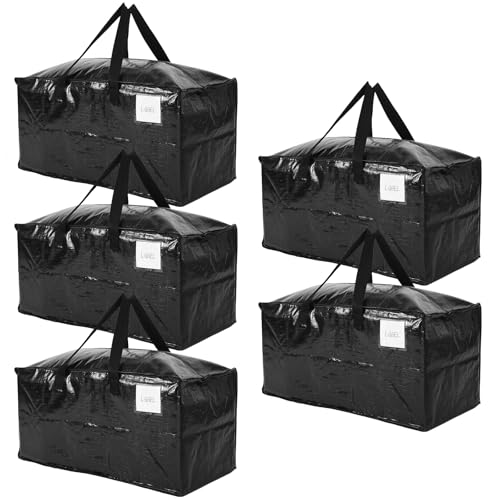
- Warmi 5 Pack Extra Large Heavy Duty Moving… about$41.99
- Warmi 4 Pack 29L Foldable Storage Box about$39.99
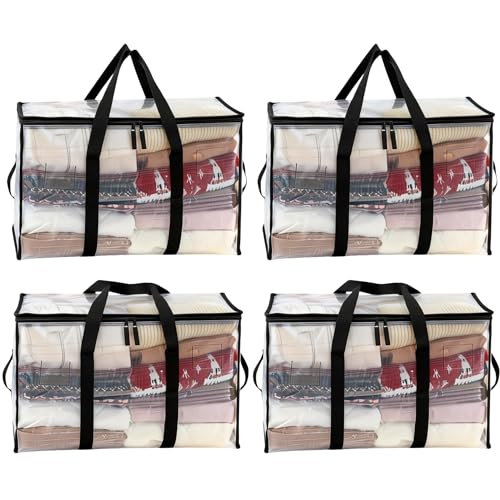
- Fiabgum 94L Large Storage Bag with Lid about$39.99
- Seymours 30L Super Seal Storage Box with… about$42.23
- STEUGO 8-Pack Large Moving Bags (Pink) about$45.99
- Warmi 10 Pack Extra Large Heavy Duty Moving… about$59.99
- Most PremiumCafgernt Folding Hand Truck about$59.99
Moving weekend is when good gear dies
The Monday after a moving weekend has a rhythm to it at our Erina workshop. A TV that rode across the Coast face down under a mattress. A desktop that went in the boot with the graphics card still bolted into its slot. A laptop wrapped in a towel with a box of books stacked on top of it. Very little of the damage is from a drop. Most of it is load damage: something heavy sat on something fragile for a forty minute drive, and the glass or the hard drive gave up quietly somewhere on the M1. That isn't bad luck, it's packing gear being asked to do a job it was never built for, and the gear that does the job properly costs less than one screen replacement.
With rentals turning over the way they have been, plenty of people are now moving every year or two, and that changes the maths on moving gear completely. When a move was something you did twice a decade, hiring or borrowing made sense. When the lease ends every twelve months, a $60 hand truck and a set of blankets you keep are better value than the second round of hire fees, and sealed plastic boxes do storage duty between moves instead of going soft in a garage like cardboard does. Everything in this guide lands between $35 and $60, ships from Amazon AU or an Australian storefront seller, and earns its spot properly on the second move rather than the first.
Pack screens and drives like they're the expensive part
Screens fail from point pressure and flex, not from travel itself. A panel that rides flat with weight on top picks up internal fractures that don't show until it's powered on in the new lounge room, usually as a spray of lines from one corner, and by then nobody can say which box did it. Carry panels upright, always, the way glaziers carry glass. Wrap the face in a blanket, put a sheet of cardboard over that, and load the TV between two mattresses or against a wall of soft boxes, strapped so it can't walk around. Monitors travel the same way, and a monitor arm unbolted and boxed beats a monitor arm levering its clamp against the panel every time the load shifts on a roundabout.
Desktops want gravity managed. Big graphics cards are heavy cantilevers hanging off one slot, and the machines that come into the computer repair side of the shop after a move often have the slot torn or the board cracked at the screw points, so unbolt the card and box it separately if it's anything substantial. Mechanical hard drives are the other transit casualty. Their heads park when powered down, but a sharp knock, or a box dropped the last ten centimetres onto concrete, can still finish them. Power everything down fully before it moves, give drives a minute to spin down, and carry the machine upright on a car seat rather than loose in a boot with the toolboxes.
Back up before the truck arrives
The week before a move is when backups stop being theoretical. Somewhere in the shuffle a drive gets knocked, a laptop gets sat on, a box goes missing, and the odds of all three are higher in that one week than in the rest of the year combined. So before anything gets packed: photos and documents copied to at least one drive that travels in the car with you, and anything genuinely irreplaceable copied twice to two different places. Cloud sync counts as one copy if it has actually finished syncing, which in my experience it mostly hasn't when people check, because the upload stalled on a metered connection three weeks earlier and nobody noticed the icon.
Keep the backup physically separate from the machine it protects. A laptop and its backup drive packed in the same box is one dropped box away from proving the point, and the same goes for a NAS and its mirror riding in the same crate. I'd also photograph the back of every device before unplugging anything: the photo of which cable went where saves an hour of guessing at the other end, and it shrinks the box of mystery cables to nearly nothing on the next move because everything gets relabelled as it comes back out. Ten minutes with a phone camera and a roll of masking tape is the best packing tool in this whole article, and it's free.
Sealed plastic, fabric or cardboard: what each box is for
Cardboard is fine at exactly one job: a single move on a dry day, followed by the recycling bin. It absorbs moisture from the air and from concrete floors, loses most of its stacking strength once it does, and the tape usually gives up before the box does. The moment a box is going to sit in a garage, a storage cage or under a house for more than a fortnight, cardboard is the wrong container, and a fair share of what the bench sees corroded was stored in it. Sealed plastic costs several times more per box and repays it the first time it rains mid move or the first summer a storage cage sweats through its own roof.
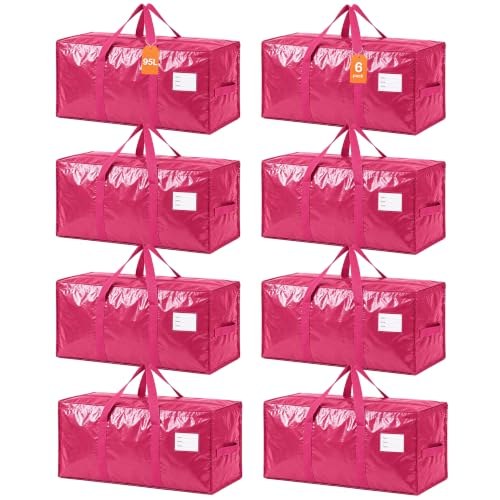
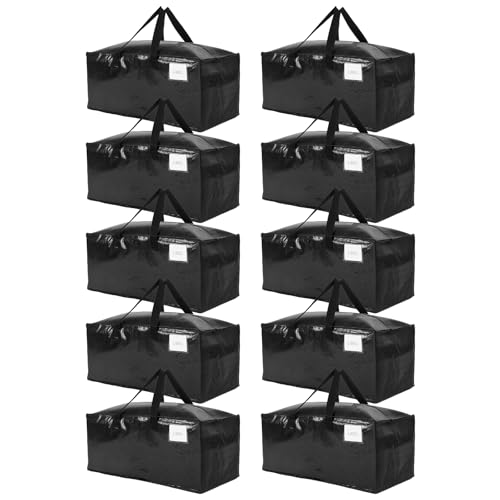
Fabric sits in between and gets misused in both directions. It's the right container for anything soft: light, foldable when empty, kind to whatever it's wedged against in a packed car. It's the wrong container for anything rigid, fragile or heavy, because it has no crush resistance and hides its overloading until the handles let go on the stairs. The split I give people is simple: if it has a plug, a screen or a spine, it goes in plastic; if you could sleep on it, fabric is fine; cardboard is for what's leaving the house anyway. Clear sides earn their keep at the far end too, where unpacking happens by sight instead of by archaeology.
The hand truck does the lifting
The maths on a hand truck is the maths on your back plus the maths on hire fees, and both point the same way once moving becomes a regular event. A flat platform dolly rated to 200 kilograms moves a washing machine, a fridge with a second person steadying it, a stack of four loaded boxes, or the entire tool and cable collection in one push down the driveway. The alternative is carrying all of that by hand or paying for a truck with gear included, and the second option costs more than the dolly every single time it happens. What a dolly asks of you in return is a hard, reasonably flat route: it rolls beautifully on concrete, timber and tile, tolerably on short carpet, and badly on gravel and grass.
Load discipline matters more than the rating does. Heavy and low, strapped if it's tall, pushed rather than pulled, kerbs taken backwards so the fixed wheels lead. The failure I see with borrowed dollies isn't the dolly, it's the fridge that steered itself: swivel casters follow the load's centre of gravity, and a tall load on six small wheels will pick its own line through a doorway if nobody is bracing it. Use two people for anything taller than your waist, one steering and one steadying, and carry stairs by hand, because no castered gear belongs on stairs regardless of what the marketing photos suggest.
Blankets and straps: stopping the load from moving
Everything in a moving load is trying to become sandpaper. Braking hard at 60 turns a loose box into a battering ram, but the slower damage is rub: hundreds of small oscillations every kilometre between any two surfaces that touch. That's how a sideboard arrives with a polished stripe worn through its finish, and how a TV bezel grinds against the box beside it until the corner is gone. Blankets fix rub by being the sacrificial surface, and straps fix momentum by turning thirty objects into one object that moves with the vehicle instead of against it. Neither is optional in a ute or trailer, where wind gets under everything light enough to lift.
Wrap the six most damageable pieces, put a blanket at every point where timber meets timber, and strap the load to the vehicle rather than just to itself wherever anchor points allow. In a ute or trailer, blankets also go under the load, because tray ribs will mark furniture inside one suburb's worth of corrugations. The habit worth building is walking the packed load once before driving off: push everything that can be pushed, and if it moves under your hand it will move far more under brakes. Ten minutes of wrapping at the truck is the difference between unpacking furniture and unpacking a touch-up kit and an insurance claim.
Storage after the move: damp kills more gear than dropping does
The garage is where working electronics go to stop working. A closed garage on the Coast swings through big temperature and humidity cycles, and every cool night pulls moisture out of the air onto the coldest surfaces inside it, which includes the circuit boards inside vented cases. Corrosion starts as a dull haze on connectors and becomes flaky ports, dead columns of keys and drives that won't mount, months before anything actually looks wet. I've written up what moisture actually does inside a device separately, but the storage version is short: it isn't one flood, it's five hundred small condensation events, one per cold night, each leaving a little more behind.
Stored electronics want a sealed box, a desiccant sachet and height off the concrete, in that order, which is most of why the Seymours boxes are in this guide at all. Fabric stays on wardrobe duty, cardboard stays out of long storage entirely, and anything precious gets checked each season rather than discovered in two years. If the room itself runs damp, the dehumidifier picks cover the mechanical fix, and mould appearing on stored goods is the sign you're past passive measures. Batteries get their own rule: store devices around half charged, keep them out of summer garage heat where you can, and never store anything with a swollen pack, because that's a fire conversation, not a storage one.
How I picked these five
Same gates as the rest of this series. Every pick is sold new, sits inside the $30 to $300 band the queue set for this category, and ships from Amazon AU directly or from an Australian storefront seller, because moving gear ordered for a move has a hard deadline and a slow boat from an export seller doesn't meet it. Import-version listings and overseas export sellers were binned on sight. Ranks are real Amazon AU category sales ranks pulled the same day, not bestseller badges, and the lead pick sits at number 17 in Open Storage Bins, which for a clear plastic box is a serious amount of settled demand. The five land between $35 and $60, right at the bottom of the band, because honest moving gear doesn't cost much; what costs is the gear it protects.
The list is deliberately a kit rather than five versions of one thing: two sizes of sealed box, one soft box, one dolly and one blanket set, because a move needs all five jobs done and no single product does two of them well. What didn't make it: the no-name folding trolleys with no category rank and no stated deck dimensions, tempting at similar money but unverifiable, and the strap-and-rope bundles whose listings state no ratings at all, because a tie-down without a rating is a decoration. Prices were right on the day and will drift, so treat them as a snapshot. If your move involves a piano, stone benchtops or anything past the dolly's rating, that's a removalist's job, and this kit is for everything around it.
The 5 picks, $35 to $60
Prices are Amazon AU at time of writing (18 September 2026) and move week to week. Ranks are Amazon AU category sales ranks, checked the same day.

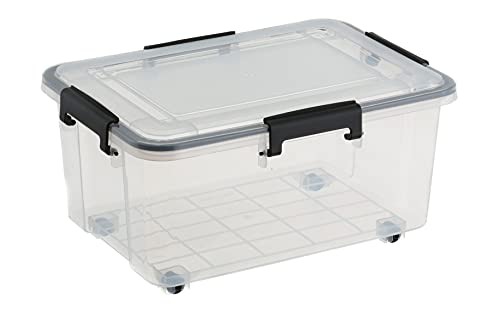
Seymours 30L Super Seal Storage Box with Lid and Wheels
ASIN B07VB8GGV9 • $43.68 • Ships from Amazon AU
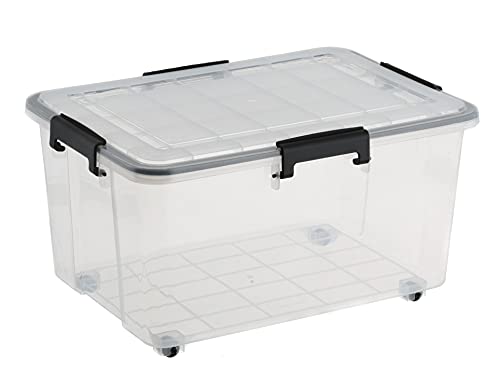
This is the box I'd standardise on. It's a clear 30 litre plastic box with a firm snap-on lid the listing rates as sealing against dust and moisture, built-in wheels underneath, and straight stackable sides. The wheels sound like a gimmick until you've rolled a full box of tools down a hallway instead of carrying it. The clear sides matter more than they look like they should: three months after the move, the box you can see into is the one that doesn't get emptied onto the garage floor to find one charger. It ranks 17th in Amazon AU's Open Storage Bins category, which for a plain storage box means a lot of people have already standardised on it.
The listing calls it airtight, waterproof and dustproof, and I'd read those as marketing grades of the same idea: a lid that seals well enough to keep dust, splash and crawling things out, which is what actually matters in an Australian garage or under a house. It's the right size for the dense stuff that wrecks cardboard: tools, cable crates, chargers, the drawer of oddments every household generates. Stacked with lids on, the boxes take load without the sides bowing, so a wall of them in a storage cage stays a wall instead of slumping into a heap by Christmas. It's sold by Amazon AU directly, so a box that turns up cracked goes back without an argument.
At $44 at time of writing it costs a fair bit more than a cardboard carton, and that's the point: it's the container you still own on the next move, and the one your electronics sit in between moves without corroding. Buy them in pairs so the stack interlocks properly, keep one aside as the first-night box with the kettle and the chargers in it, and label the ends anyway, because clear sides help less when the box is at the bottom of a stack of four. One box of the five in this kit ends up doing storage duty forever, and it's this one.
Honest caveats: The listing doesn't state external dimensions or the plastic type for the 30L size, so check the current listing before planning shelving around it. Airtight and waterproof are the maker's words for a snap-on lid, not a gasket-and-latch seal, so treat it as dust and splash protection rather than anything submersion-proof.
Best for: The standard box of the whole operation: dense loads on moving day, then sealed storage for anything with a plug on it.
Capacity: 30L • Lid: Snap-on, sealed per listing • Wheels: Built-in rolling wheels • Sides: Clear, stackable • Rated for: Dust and moisture protection (listing) • Sold by: Amazon AU • Rank: #17 in Open Storage Bins (Amazon AU)
View on Amazon AU
Seymours 15L Super Seal Storage Box with Lid and Wheels
ASIN B07VCDS4BL • $34.53 • Ships from Amazon AU
Same box, smaller, and the size difference is the whole reason it's here. The 15L measures 44 by 31.5 by 22.5 centimetres, which is the right volume for the dense loads that break big boxes and backs: books, hand tools, hardware, the crate of cables and power bricks every tech household drags between houses. A 30 litre box full of books is a two person lift and a cracked corner waiting to happen; the 15L keeps the same load honest. It shares the snap-on sealing lid, clear sides and built-in wheels with its bigger brother, ranks 58th in the same Open Storage Bins category, and is sold by Amazon AU directly, so the pair arrive together in one order.
The packing rule I push on anyone who asks is dense stuff in small boxes, light stuff in big ones, and this pair of Seymours sizes maps onto that rule exactly. The 15L also earns a permanent job after the move as the parts-and-leads box: sealed against dust, contents visible, small enough to live on a shelf next to the router. For anything with a circuit board in it, a sealed 15L with a couple of silica gel sachets thrown in is about the best passive storage you can do for the money, and it's how I'd store a spare console or a retired laptop that's waiting for its next owner.
At $35 at time of writing the per litre cost is worse than the 30L, which is normal for small boxes and irrelevant in practice, because you buy the 15L for the load rating of your spine rather than for volume efficiency. The two sizes stack cleanly with lids on, so a mixed wall of 30s on the bottom and 15s on top is the stable way to fill a storage cage. Wheels on a box this small do less, but they cost nothing to have. Mine ended up holding spare drive caddies and every charger I couldn't identify, which tells you how these get used.
Honest caveats: Fifteen litres fills faster than you expect, so order more than feels reasonable; running out of small boxes mid pack is exactly how books end up in big boxes. The sealing lid is the same snap-on design as the 30L, with the same reading: dust and splash protection per the listing, not a laboratory seal.
Best for: Books, tools and the cable crate: every load that's heavier than it looks.
Capacity: 15L • Dimensions: 44 x 31.5 x 22.5 cm • Lid: Snap-on, sealed per listing • Sides: Clear, stackable • Wheels: Built-in rolling wheels • Sold by: Amazon AU • Rank: #58 in Open Storage Bins (Amazon AU)
View on Amazon AU
Cafgernt Folding Hand Truck, 200kg, 6 Wheels
ASIN B0GQSRLXWV • $59.99 • Sold by Cafgernt-AU on Amazon AU
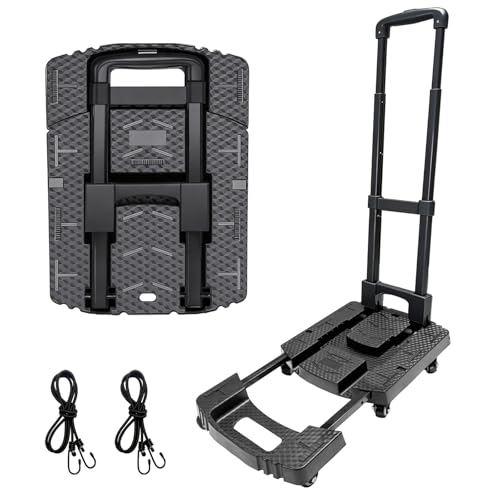
This is a flat platform dolly rather than an upright sack truck: six wheels under a folding base plate, two fixed at the front and four 360 degree swivel casters, all in TPE rubber that doesn't chatter across tiles. The listing rates it to 200 kilograms, which is washing machine and fridge territory, and in practice the limit on a platform this size is what you can balance on it rather than what it can carry. The base plate extends by 12 centimetres for longer loads, and the telescopic handle locks at three positions, so it pulls flat boxes and tall awkward things equally well. It ranks 32nd in Amazon AU's Utility Carts category through an Australian storefront seller.
Folded, it measures 42.5 by 31.5 centimetres, which the listing describes as roughly two A4 sheets side by side, and it weighs 2.94 kilograms, so it lives behind a car seat without any argument. That's the detail that makes it a keeper rather than a hire item: the rented truck goes back on Sunday, this stays in the boot for the marketplace fridge, the office move and the twenty bags of potting mix. Six small wheels ride best on hard flat ground, and that shapes how you use it. Thick carpet slows it noticeably, gravel driveways turn it into a shove, so plan the route from door to truck the same way you plan the load.
Strap or hold tall loads, because swivel casters steer from the load's centre of gravity and a top heavy washing machine will let you know about it mid driveway. Push rather than pull where you can, and take kerbs backwards with the fixed wheels leading. At $60 at time of writing it's the most expensive thing in this guide and still costs less than an hour of a two person removalist crew, which is roughly the arithmetic it replaces. For stairs it's the wrong tool entirely; nothing with casters is a stair machine.
Honest caveats: It's a platform dolly, not a stair climber, and nothing on the listing rates it for stairs. The 200 kilogram figure is the maker's, and balance runs out before the deck does on tall loads. Small casters dislike gravel and thick carpet, and the listing doesn't state the deck's unfolded length without the extension.
Best for: The repeat mover: heavy flat loads from door to truck on hard ground, then a life in the boot between moves.
Load rating: 200kg (listing) • Wheels: 6: 2 fixed + 4 swivel casters, TPE • Folded size: 42.5 x 31.5 cm • Weight: 2.94kg • Base plate: Extends by 12cm • Handle: 3-position telescopic • Sold by: Cafgernt-AU (AU storefront) • Rank: #32 in Utility Carts (Amazon AU)
View on Amazon AU
VEVOR Moving Blankets, 6 Pack, 1829 x 1016 mm
ASIN B0FQPC1TZY • $56.99 • Sold by VEVOR Store AU on Amazon AU
Moving blankets are the difference between furniture that arrives and furniture that arrives wearing the corner of the box next to it. This is a six pack of quilted blankets, each 1829 by 1016 millimetres, or 72 by 40 inches, filled with recycled cotton that does the actual work: the fluffy fibre structure absorbs and spreads impact instead of transmitting it into the timber or the glass. The edges are double stitched and the quilting is zig-zag sewn so the filling stays put instead of migrating into lumps after a few uses, and the pack includes two elastic straps to hold a blanket closed around a wrapped piece. They rank 52nd in Amazon AU's Moving Bags category through VEVOR's Australian storefront.
Each blanket is listed at about a kilogram, which puts them in the lighter economy grade of moving blanket, and that's the honest way to read them: padding for chairs, bedside tables, small appliances, monitors and the flat pack that got scratched last time, not armour for a piano. A blanket over a TV face, with the mattress loaded beside it rather than on top of it, prevents exactly the face-crush failures that fill the bench after moving weekends. Between moves the listing pitches them as storage dust covers, garage floor mats and boot liners, which is where blankets like these genuinely spend most of their lives once the boxes are unpacked.
Six is the right count for a flat's worth of furniture in one trip: wrap the six most damageable pieces and let everything else ride on cardboard and towels. At $57 at time of writing they're a keeper purchase like the hand truck, because removalists charge for blanket wrap for the simple reason that blankets work, and owning the set moves that line off every future invoice. Wash them before storing them away, since grit trapped in a dirty blanket becomes the abrasive it was bought to prevent, and they fold down into one box-sized stack.
Honest caveats: The title quotes 4.5 kilograms per dozen while the listing body says about a kilogram per blanket, so the listing's weight figures don't quite agree; either way these are economy weight, not the heavy pads professionals use under stone and pianos. Only two straps come in the pack, so add your own tie-downs for a full load.
Best for: Wrapping the six pieces that actually matter: screens, timber and anything with a finish worth keeping.
Quantity: 6 blankets • Size (each): 1829 x 1016 mm (72 x 40 in) • Fill: Recycled cotton • Construction: Double-stitched edges, zig-zag quilting • Weight: About 1kg per blanket (listing) • Included: 2 elastic straps • Sold by: VEVOR Store AU (AU storefront) • Rank: #52 in Moving Bags (Amazon AU)
View on Amazon AU
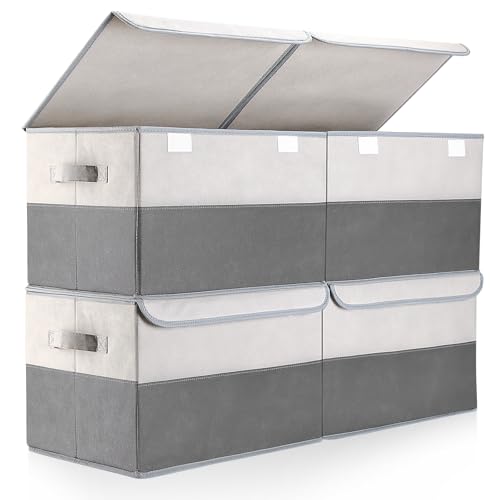
Warmi 4 Pack 29L Foldable Storage Boxes with Lids
ASIN B0FJ8HR9YM • $39.99 • Sold by WARMI-AU on Amazon AU
The fabric option, and the one for everything that doesn't need a hard shell. It's a four pack of 29 litre boxes in non-woven fabric, each 40 by 28 by 26 centimetres, with a dust sealing lid and reinforced carry handles, and the whole lot folds flat when it's not in use, which is the one trick plastic can't do. Fabric boxes carry clothes, linen, towels and soft toys at a fraction of the weight of plastic doing the same job, and they don't rattle, so they're what I'd pack around the fragile stuff in a full car load. They rank 37th in Amazon AU's Open Storage Bins category through an Australian storefront seller.
The material is listed as breathable and moisture proof at the same time, which reads like a contradiction until you've handled non-woven fabric: it sheds splashes but lets trapped air exchange, which is what natural fibre clothing wants in long storage and precisely what electronics don't. So the split stays simple: fabric for the wardrobe overflow and the winter doona, sealed plastic for anything with a plug on it. The reinforced handles matter more than they sound, because 29 litres of clothes is still an honest weight, and flimsy fabric boxes always fail at the handle stitching first. The unpartitioned interior swallows folded stacks whole rather than making you tessellate.
At $40 at time of writing for four, they're the lowest cost per box in this guide, and the four pack matches how they actually get used: one per wardrobe shelf, packed in place, carried out in one trip. They're also the box I'd hand anyone moving between share houses with no truck at all, because a fabric box wedges into a hatchback footwell where rigid plastic won't. Load them last, stack nothing hard on top, and they'll see out a surprising number of moves before the stitching complains. The lids will even carry a folded moving blanket each on the trip over.
Honest caveats: Non-woven fabric offers no crush protection at all, so nothing fragile goes inside and nothing heavy goes on top of them in a load. The 29 litre capacity is listed against fairly compact stated dimensions, so usable volume depends on how soft the load is. Moisture proof here means splash shedding, not a sealed barrier.
Best for: Clothes, linen and the soft half of the house, especially in car-only moves.
Quantity: 4 boxes • Capacity: 29L each • Dimensions: 40 x 28 x 26 cm • Material: Non-woven fabric • Lid: Dust-sealing • Handles: Reinforced • Folds flat: Yes • Sold by: WARMI-AU (AU storefront) • Rank: #37 in Open Storage Bins (Amazon AU)
View on Amazon AUSide-by-side comparison
What we see fail at the bench: moving week
Moving gear itself never lands in the workshop, because there's nothing in a box or a blanket to fail. What lands is everything the moving gear didn't protect, and the same three failures arrive every time the rental market churns: screens that took load instead of impact, drives that were fine before the move and dead after it, and gear that went into a damp garage working and came out corroded. All three cost almost nothing to prevent and real money to repair.
Screens that rode under the load
A panel cracked by point pressure looks different from a dropped one: no chipped corner, no impact mark, just a bloom of lines spreading from somewhere behind the bezel. That's a TV or monitor that travelled flat with weight on it, or leaned against something hard that bounced. The panel flexed past its limit somewhere on the drive and the damage surfaced at first power-on. On most larger TVs a replacement panel costs so close to a new set that repair stops making sense, which is why the blanket wrap and the upright ride matter: this is the one failure in this list that usually can't be fixed at sensible money, only prevented.
Hard drives that moved house
Spinning drives tolerate transport far worse than people assume. Heads park when the drive powers down, but a hard knock through a thin box, or a drop onto concrete from knee height, can still leave one clicking in the new house. The pattern we see is a drive that worked the night before the move and won't mount the morning after. If that happens, stop powering it: every retry with damaged heads grinds more data off the platters and turns a recoverable job into an expensive one. Back up before the move, carry drives padded in the car with you, and treat any post-move clicking as a stop-work order.
The damp garage
Corrosion is the slowest moving failure and the most common one after a move, because the boxes that never got unpacked end up in the garage. Concrete wicks moisture into cardboard, cold nights condense water onto boards inside vented cases, and three months later a console or amp that was stored working boots with dead HDMI ports or drifting controls. The green haze on connectors tells the story when we open them up. Sealed plastic, a desiccant sachet and a shelf instead of the floor prevent nearly all of it, and gear caught early cleans up at the board level far better than gear found a year later.
Decision tree: which one should you actually buy?
- Moving every year and sick of hiring gear? → The Cafgernt hand truck at $60 and the VEVOR blanket six pack at $57. Both are keeper purchases that outlast several leases and pay for themselves against one hire invoice.
- Packing books, tools and the cable crate? → The Seymours 15L at $35. Dense loads belong in small boxes, and this one keeps both the box and your back inside their ratings.
- Wardrobes and linen, no truck, just a hatchback? → The Warmi four pack at $40: light, squashes into footwells, folds flat once you've landed.
- Gear going into a garage or storage cage after the move? → The Seymours 30L at $44 with the lid snapped shut, a silica sachet inside and the box up off the concrete.
- One TV or monitor you're actually worried about? → Wrap it in a VEVOR blanket, ride it upright, and let nothing rest against the glass. The six pack is $57 and one saved panel pays for it several times over.
- Something got unpacked broken? → Don't keep powering it on to check. Bring it to the workshop in Erina and we'll tell you whether it's a repair, a data recovery job or an insurance letter before you spend anything.
Frequently asked questions
How do I pack a TV without the original box?
Upright, padded and unable to move: that's the whole recipe. Wrap the screen face in a moving blanket, add a sheet of cardboard over the face for stiffness, and load the set vertically between two mattresses or against a wall of soft boxes, strapped so it can't slide or tip. Never lay a flat panel down with anything on top of it, because point pressure and flex crack panels without leaving a mark on the outside. Keep the base or feet in a labelled box with their bolts taped to them. If you still have the polystyrene end caps from the original box, they're worth keeping for exactly this day.
Can I move a desktop PC in the car safely?
Yes, with two preparations. Unbolt any large graphics card and box it separately, because a heavy card levering against its slot on every bump is one of the most common post-move failures we see, and the slot rarely survives it. Then power the machine down fully, give mechanical drives a minute to spin down and park, and carry the case upright on a seat, held by a seatbelt, rather than loose in the boot. Solid state drives don't mind transport, but the case, the cooler mounts and any spinning drive all prefer the suspension of a seat to the bare floor of a boot.
Are plastic boxes really worth the extra cost over cardboard?
It depends on two variables: how often you move and what happens to the boxes afterwards. For a single move followed by immediate unpacking, cardboard does the job and costs less. The equation flips the moment boxes go into storage or the moving cycle repeats, because cardboard absorbs moisture from air and concrete, loses its stacking strength, and passes damp through to what's inside it. A sealed plastic box costs several times more, lasts through every future move, and is the difference between electronics that come out of a garage working and electronics that come out corroded. Most households moving on yearly leases are better off in plastic.
Will a folding hand truck work on stairs?
No, and it's worth being blunt about it. A platform dolly on casters has no stair capability at all: the wheels are small, the deck is flat, and the load's whole weight tips onto you the moment the front wheels leave a step. Stairs are a two person carry, or a job for a purpose-built stair-climbing sack truck, which is a different and much dearer machine. Where the dolly earns its money is everything either side of the stairs: the long push from the door to the truck, the driveway, the corridor and the lift. Plan the stair section as a carry and let the dolly do the rest.
Is it safe to store electronics in a garage?
Only with moisture managed. An enclosed garage cycles through big temperature swings, and each cool night condenses moisture onto the coldest surfaces around, including circuit boards inside vented cases. Stored straight on concrete in cardboard, electronics reliably develop corrosion within months: flaky ports and drives that won't mount are the usual first signs. The fix costs very little. Use a sealed plastic box, throw in a desiccant sachet or two, keep the box on a shelf rather than the floor, and store devices around half charge. Check on anything precious once a season. Gear stored that way comes back out in the same state it went in.
What shouldn't go in the moving truck at all?
Anything whose loss ends worse than its replacement cost. Hard drives, backup drives, laptops and the NAS travel padded in the car with you, never loose in the truck, because they carry data no insurance payout restores. Documents, passports and keys ride with you for the same reason. Batteries deserve their own check: a power bank or tool battery that's swollen, punctured or rattling shouldn't travel in a hot enclosed truck at all, and wants replacing rather than packing. The rule of thumb I give customers is that the truck carries what money can replace, and the car carries what it can't.
Related buying guides
Unpacked something that won't turn on?
Moves shake loose more than screws: connectors seat half out, drives take knocks they don't mention until morning, and screens crack from the inside where you can't see it. Before you replace anything, bring it in to the workshop in Erina and we'll tell you what actually failed, what the fix costs and whether the fix is worth it against replacement. If it's heading for an insurance claim, you'll leave with a written assessment instead of a guess.
Call (02) 4311 6146 Book Online