Prices from Amazon AU, updated daily. Swipe or use the arrows for more.
Disclosure: This article contains affiliate links to amazon.com.au. If you buy through one of these links iFix may earn a small commission at no extra cost to you. It doesn't change which products we recommend. We focus on what actually lasts based on 16 years of repair-shop experience.
Quick summary8 picks
- CheapestPet Tracker Works with Apple Find My… about$29.99
- Mini Magnetic Car Tracking Tag Works with… about$29.99
- Life360 Tile - Bluetooth Tracker about$44.95
- Apple AirTag about$47.00
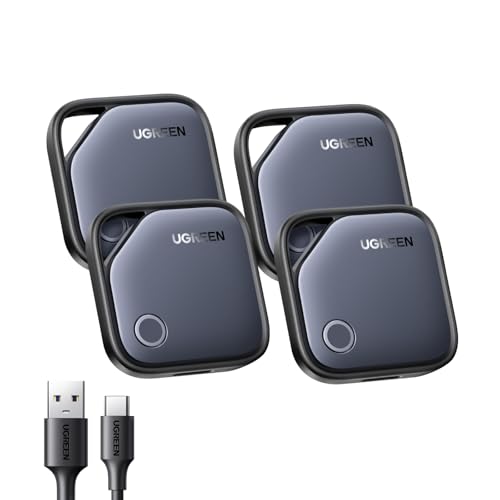
- UGREEN 4Pack FineTrack Finder Compatible… about$49.49
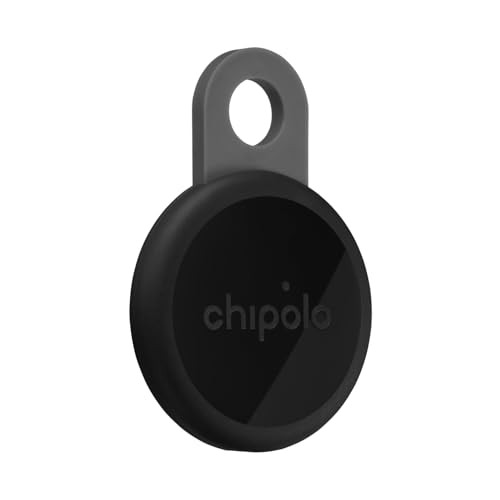
- Chipolo LOOP – Rechargeable Bluetooth… about$65
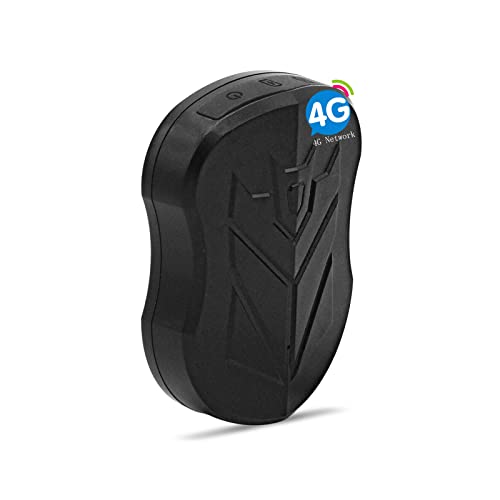
- SinoTrack 4G Car GPS Tracker about$71.99
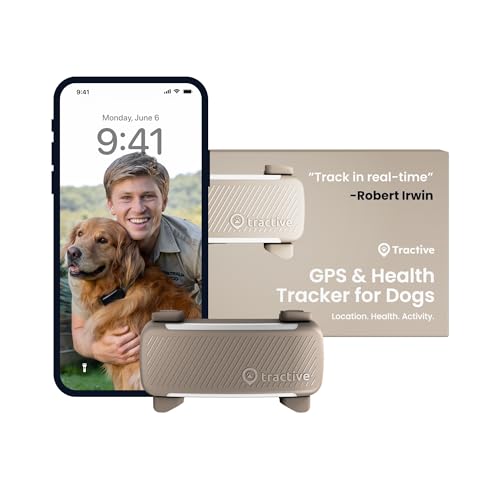
- Most PremiumTractive GPS Dog Tracker | 2025 Edition |… about$71.97
Two different products wearing the same name
Half the things sold as GPS trackers don't have a GPS chip in them. An AirTag, a Tile or a Chipolo is a Bluetooth beacon with a coin cell or a small sealed battery. It has no idea where it is. What it does is chirp its identity every couple of seconds, and any passing phone on the same network (iPhones for Find My, Android phones for Google's Find Hub, Tile's own app for Tile) hears the chirp, notes its own GPS position, and quietly reports that back. You see a dot on a map, but the location came from a stranger's phone, not from the tag. The other half, the Tractive collar unit and the SinoTrack car box, have a real GPS receiver and a 4G modem with a SIM, and they report their own position over the mobile network the way a phone does.
That one distinction decides nearly everything else: what the tracker can find, how long the battery lasts, and whether there's a bill attached. A Bluetooth tag is brilliant for keys, a wallet or a suitcase in an airport, because those things live where phones are dense. It's close to useless for a dog that bolts into bushland behind Kariong or a trailer parked in a paddock, because nobody with a phone walks past. A 4G tracker works anywhere there's mobile coverage and nowhere there isn't, and it costs money every month whether you've lost anything or not. I've split the five picks along that line on purpose so you can see both sides priced against each other.
How the crowd networks actually work, and where they don't
Apple's Find My network is the biggest of them by a long way in Australia, simply because of how many iPhones are in people's pockets, and the AirTag is the tag built for it. Google's Find Hub does the same job across Android phones and has been catching up over the past couple of years. Tile runs its own network out of the Tile and Life360 apps, which is smaller, though Tile has the advantage of working on both platforms from one app. Chipolo's LOOP is the interesting one: you pick either Find My or Find Hub at setup and it joins that network, so one product covers an iPhone household or an Android one, but not both at once.
On the Central Coast the practical difference is density. In Erina Fair, on a train to Sydney or in a Jetstar baggage hall, a lost AirTag will report within minutes because there's an iPhone every few metres. In a car park at Somersby at 2am it might sit silent for hours until someone with the right phone parks nearby. The tag hasn't failed, there just wasn't a phone to hear it. That's why I'd never rely on a Bluetooth tag to recover a stolen vehicle. Thieves know about them, most phones now warn the person carrying an unknown tag that one is travelling with them, and a tag chucked out a window at the first set of lights is exactly what happens.
The second-generation AirTag adds precision finding, which uses the ultra wideband radio in newer iPhones to give you an arrow and a distance once you're within a few metres, and Apple's listing says the new one does that from further away and has a 50 per cent louder speaker. That's the feature for finding keys down the back of the couch, and it's the part that makes an AirTag better than a Tile for an iPhone owner. On Android the equivalent is patchy and depends on the phone. If you're mid-way through deciding between platforms, my which iPhone to actually buy guide covers which models carry the ultra wideband chip, and our refurbished iPhones are the sensible way to get one without paying new money.
4G trackers: the SIM is the product
A 4G tracker is a tiny phone with no screen. It needs a SIM, a mobile plan and a server to talk to, and someone has to pay for all three. The two ways that gets done are baked into the two 4G picks. Tractive builds the SIM in and sells you a subscription that covers the SIM, the data and their app; the hardware is $59 and the listing doesn't state the plan price, so you're going to Tractive's site to find out before you buy. SinoTrack sells you the box for $68 with no SIM, tells you to buy a local 4G SIM yourself, and runs what it calls a lifetime web platform and app for free.
Do the maths over the life of the device, not the week you buy it. A subscription tracker at even $10 a month is $360 over three years on top of the hardware, and if you stop paying it becomes a paperweight. A bring-your-own-SIM tracker costs you a prepaid plan, and the trick there is to find a long-expiry plan with a small data allowance, because a tracker uses a few megabytes a month and a standard 28-day recharge will lapse while you're not looking. The failure I see with these isn't the tracker dying, it's the SIM expiring and the owner discovering it the day the trailer goes missing. Put the recharge date in your calendar the day you fit it.
There's an Australian wrinkle worth knowing. The SinoTrack listing says the ST-915L works on 2G and 4G and not 3G. Australia switched the 2G networks off years ago and the 3G networks in 2024, so here it's a 4G-only device, and it has to be a SIM from a network whose 4G bands the unit supports. Check the band list against your carrier before you order rather than after, and buy the SIM from the same carrier the tracker's listing suggests works. The Tractive sidesteps all of this because the SIM is theirs and the roaming is their problem, which is a fair part of what the subscription buys you.
Batteries: coin cells, sealed cells and rechargeables
The battery is where these products quietly differ and it's the part that comes across my bench. Bluetooth tags mostly run on a CR2032 coin cell that lasts about a year and pops out with a twist, or on a sealed cell that lasts two or three years and then the tag is finished. Neither Apple's nor Tile's Amazon listing states which, so check the maker's own spec page before you buy a four-pack. Chipolo's LOOP is the odd one out: it's rechargeable over USB-C, the listing quotes up to a year per charge, and the charger isn't in the box, which is normal now and fine as long as you know.
The 4G units are a different animal because a GPS receiver and a modem are hungry. Tractive quotes up to 14 days between charges on the 2025 unit and says outright that it varies with coverage, usage and activity, which is honest and worth taking seriously: a dog in a fringe-coverage area will run the tracker's modem hard hunting for signal and halve that figure. The SinoTrack listing talks about a strong built-in battery without giving a capacity or a run time, so treat it as unknown until you've watched it for a fortnight. On a car you can wire it to the vehicle, and if you do, wire it the way you'd wire a dash cam, through a proper fused kit so it can't flatten the car battery while the car's parked.
One more thing about coin cells. They leak. A tag that's been through the wash, sat in a hot car, or simply been left with a dead cell for six months comes in with green crust on the contacts and won't wake up with a fresh battery. That's not a tag fault, it's chemistry, and it's the same corrosion process I describe in what water actually does inside electronics. Change the cell when the app says it's low rather than when the tag goes silent, and never leave a dead one in there over a wet winter.
Cars, trailers, boats and dogs: matching the tracker to the job
For keys, wallets, a bag or a suitcase, a Bluetooth tag is the right tool and a 4G tracker is overkill with a bill. Which tag depends on the phones in the house: AirTag for an all-iPhone household, Tile if there's a mix, Chipolo LOOP if you want a rechargeable and everyone's on the same platform. Put one in checked luggage every time you fly. Apple's listing mentions sharing the tag's location with airline partners, and having a dot on a map when the airline's system says 'we don't know' is the single most satisfying use of the things.
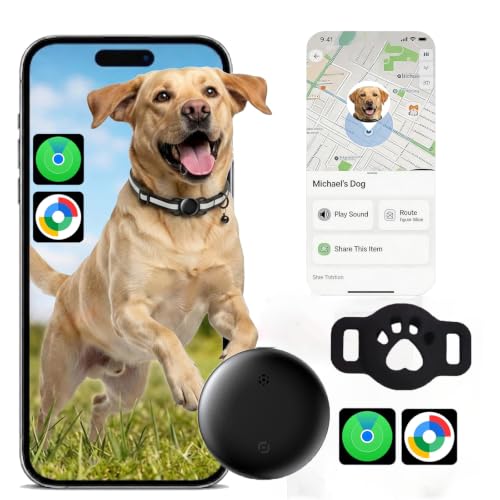
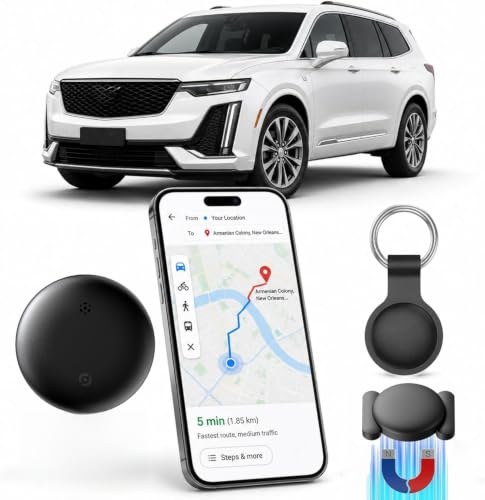
For a dog or a cat that roams, it's 4G or nothing, and Tractive is the one built for it, with virtual fences that alert you when the animal leaves the yard and real-time tracking when it has. A Bluetooth tag on a collar will find a cat asleep under a neighbour's deck and not much else. For a car, a trailer, a caravan or a boat on a mooring, a hidden 4G unit like the SinoTrack with a magnetic waterproof housing, geofencing and shock alerts is the honest tool, with an AirTag tucked somewhere as a second layer. The AirTag alone is the one I'd argue against, because thieves check for them and phones announce them.
Two legal points, kept short. These are for tracking your own property and your own animals. Putting a tracker on a car or a bag that isn't yours, without the owner's knowledge, is an offence in NSW under the Surveillance Devices Act, and the built-in unwanted-tracking alerts on iPhones and Androids exist precisely to catch that. If you ever get an alert that an unknown tag is moving with you, the phone will help you find it and the tag's serial number ties it to an account. That system protects you, and it's also why a tag is the wrong tool for recovering a stolen car.
What the ranks and the prices are telling you
The price spread here is unusually flat, $44.95 to $68.39, and that's the category, not me being timid. The Bluetooth tags all sit between $45 and $65 for a single, with multi-packs pulling the per-unit cost down: the AirTag four-pack is $148.85 on Amazon AU at time of writing, which is a bit over $37 each. The two 4G units land at $59 and $68 for the hardware, and then the running cost separates them from the tags by hundreds of dollars over three years. When the hardware prices are this close, the plan is the whole decision.
Rank data is patchier than in most categories I cover. Amazon AU reports the Tractive at #3 in Pet Location Trackers, and the Tile and Chipolo carry site-wide ranks but no subcategory figure. Apple's AirTag listings don't report a rank at all, and neither does the SinoTrack, so I've written 'not stated' rather than guess. I wouldn't read anything into that beyond Amazon's data being incomplete for some brands; the AirTag is plainly the most common tag in Australia and the ranks don't change that. If you want the same thinking applied to a phone rather than a tag, the phones built to last four years guide is where I cover the handsets that run these apps well.
How I picked these five
Everything here is condition New, inside a $30 to $200 band, sold by Amazon AU or the maker's own AU storefront. I dropped the grey-import listings and anything sold by an overseas Amazon marketplace, because a tracker with a US-region SIM or no local warranty isn't a saving. I also skipped the no-name AirTag clones at $39 with 'A-pple' in the title, which tells you everything about who made them and how long the app will exist. Chipolo's official store and Tractive both have proper Australian presence, and SinoTrack's AU storefront ships from here.
Within that I wanted one of each honest answer: the AirTag for iPhone households, the Tile for mixed ones, the Chipolo LOOP as the rechargeable that joins either network, the Tractive as the 4G animal tracker that's number three in its category, and the SinoTrack as the bring-your-own-SIM vehicle box with no monthly fee. If your phone is the thing playing up rather than the tag, a handset that won't hold Bluetooth or drops GPS is usually a software or battery issue, and it's a quick look at the workshop in Erina before it's a reason to buy anything new.
The 5 picks, $45 to $68
Prices are Amazon AU at time of writing (1 September 2026) and move week to week. Ranks are Amazon AU category sales ranks, checked the same day.

Life360 Tile Bluetooth Tracker (1-Pack, White)
ASIN B0D9B1QB38 • $44.95 • Ships from Amazon AU
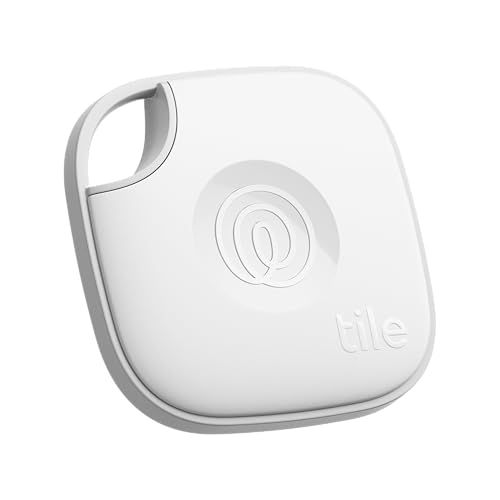
The Tile is $44.95 from Amazon AU and it's the tag I'd hand to a household with an iPhone and a Samsung under the same roof, because it runs off one app on both platforms. It's a Bluetooth tracker that attaches to keys, a wallet or a bag, rings from the app when it's within range, and reports through the Tile and Life360 network when it isn't. The listing leans hard on the Life360 side: an SOS function you trigger from the tag, and the ability to see your Tiles and your family members on one map if you're already a Life360 household. If you're not, that part is just a feature you'll ignore.
The honest caveat is network size. Tile's crowd network is people running the Tile or Life360 app, which is a lot smaller than every iPhone in the country, so a Tile lost in a car park takes longer to report than an AirTag would. Inside the house, where most keys actually get lost, that doesn't matter at all and the phone-finder trick works both ways: double-press the Tile and your phone rings even on silent. The listing doesn't state the battery type or life, or whether the cell is replaceable, so check Tile's own specs before you commit to a multi-pack; recent Tiles have used sealed cells that make the whole tag a consumable.
Set it up on the Tile app, decide whether you want the Life360 layer at all, and turn off the location sharing you don't need. Put it on the keyring rather than in a wallet slot, because the speaker is what you'll actually use and a wallet muffles it. If a Tile in a bag goes quiet for weeks, it's nearly always the battery rather than the tag, and a dead sealed cell means a replacement tag, so note the purchase date somewhere. Register it in the app under a name you'll recognise, because 'Tile 3' means nothing two years later.
Honest caveats: Battery type, life and whether it's replaceable aren't stated on the listing. The crowd network is smaller than Apple's or Google's, so out-of-home finds take longer. The SOS and family-map features are Life360 features and add nothing unless you use that app. Site-wide rank only, no subcategory rank reported.
Best for: Mixed iPhone and Android households who want one tag and one app for everyone's keys.
Type: Bluetooth tracker on the Tile and Life360 network • Platforms: iOS and Android • Find your phone: Press the Tile to ring the phone, even on silent • Extras: SOS trigger, Life360 family map • Battery: Not stated on the listing • Pack: 1-pack, white • Seller: Amazon AU • Rank: #1333 site-wide (Amazon AU)
View on Amazon AU
Apple AirTag (2nd Generation)
ASIN B0GJTN4L1X • $46.35 • Ships from Amazon AU
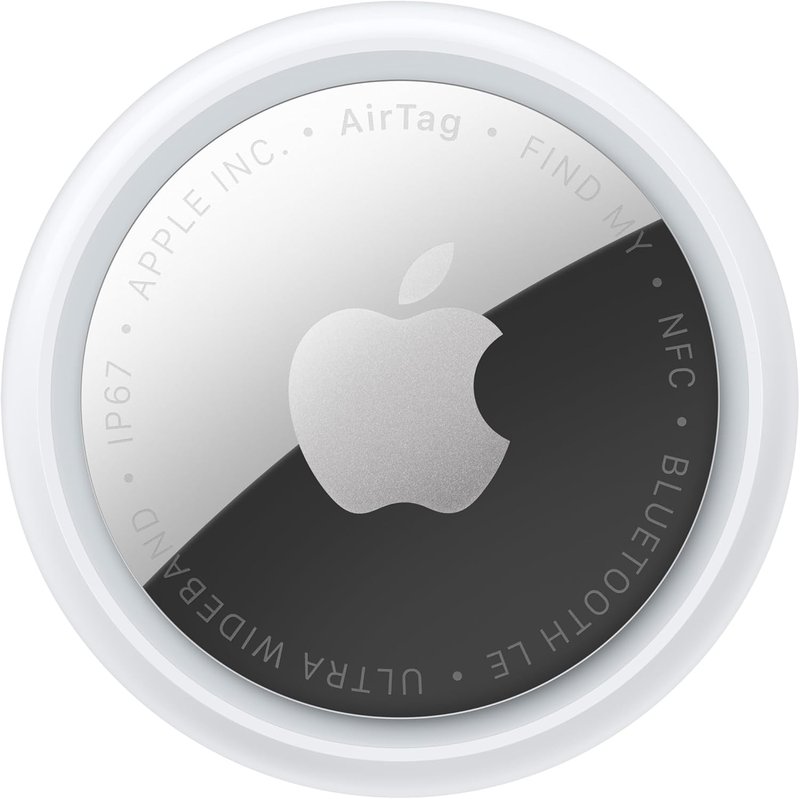
The second-generation AirTag is $46.35 from Amazon AU and, for anyone whose household runs on iPhones, it's the tag to buy and the rest is detail. It reports over Apple's Find My network, which in Australia means most of the phones in any shopping centre are quietly helping you find your keys. Apple's listing says this generation extends precision finding, the ultra wideband arrow-and-distance mode, to the Apple Watch as well as the iPhone, that the ultra wideband and Bluetooth chips are upgraded to be heard from further away, and that the speaker is 50 per cent louder with a new chime. That last one matters more than it sounds; the original was easy to lose under a couch cushion by ear.
The location sharing is the underrated bit. The listing describes temporarily sharing an AirTag's location with contacts you choose, third parties or, in the words of the listing, over 50 airline partners, which is what you want when a bag doesn't turn up on the carousel and the desk staff have nothing. What the Amazon listing doesn't state is the battery type or life, and it doesn't report a sales rank, so those two spec lines say so. Apple's own product page is where to confirm the battery, and I'd do that before buying the four-pack at $148.85, which works out a bit over $37 a tag and is the better buy if you've got four things worth tagging.
Use it for keys, wallets, luggage and the remote. Don't use it as your only theft protection on a car or a bike; phones warn people carrying an unknown AirTag and thieves know to look. Change the cell when the phone says it's low rather than when the tag goes quiet, and if a tag has been through the wash or the surf, pull the cell and let the contacts dry before you assume it's dead. Name each tag properly in Find My when you set it up, because a map full of tags called 'AirTag' is no help when the car keys are the one you're after.
Honest caveats: Battery type and life aren't stated on the Amazon listing, and no sales rank is reported. It's Apple-only in practice: an Android phone can detect an unknown AirTag but can't set one up or track it. Precision finding needs an iPhone or Watch with an ultra wideband chip, which not every model has.
Best for: All-iPhone households who want the largest crowd network and the arrow-on-screen finding for keys and luggage.
Type: Bluetooth and ultra wideband tag on Apple's Find My network • Precision finding: iPhone and Apple Watch, extended range (listing) • Speaker: 50 per cent louder than the original, new chime • Sharing: Temporary location sharing with contacts and airline partners • Setup: One-tap with iPhone or iPad • Battery: Not stated on the listing • Seller: Amazon AU • Rank: Not stated on the listing (Amazon AU)
View on Amazon AU
Tractive GPS Dog Tracker (2025 Edition, Brown)
ASIN B0D6Z74WJY • $99.00 • Ships from Amazon AU
The Tractive is $99 from Amazon AU and #3 in Amazon AU's Pet Location Trackers category, and it's the only pick that will find a dog that's actually gone. It's a real GPS receiver with a built-in SIM and 4G modem, reporting the animal's position in real time to the Tractive app, and the listing says it works in 175 or more countries wherever there's mobile coverage. Virtual fences send an escape alert the moment the dog leaves the yard, the 2025 unit has a stronger light and sound for finding the animal in the dark, and the listing quotes up to 14 days of battery between charges with the honest note that coverage, usage and activity change that.
It works with a subscription, and the listing says so clearly: the plan covers the SIM and the data, and there are different plans to choose from. What it doesn't say is the price, so go to Tractive's site and price the plan you'd actually pick before you order. This is the trade-off the whole guide is about. You're buying a small monthly bill in exchange for the only tracking technology that works in bush, on a beach or across paddocks where a Bluetooth tag will never see a phone. For a dog that's escaped once, most owners I've talked to consider that a fair swap. The extras on the listing, bark monitoring, activity tracking, walk recording to Strava, are nice-to-haves rather than the reason to buy.
Fit it snugly on a proper collar rather than a harness so the aerial sits on top of the neck, and charge it on a schedule rather than waiting for the app to complain. In fringe coverage the modem works hard and the battery figure drops, so a dog on a rural block will need charging more often than a suburban one. Take the plan on an annual term if the pricing rewards it, and set a reminder for renewal, because a lapsed plan means a tracker that reports nothing.
Honest caveats: The subscription is mandatory and its price isn't on the listing, so the true cost is the hardware plus years of plan. It depends entirely on 4G coverage; no signal, no position. Battery life is quoted as up to 14 days and will be shorter in fringe areas. The listing's activity and monitoring extras are app features, not tracking.
Best for: Owners of a dog that roams or has escaped before, on a property where a Bluetooth tag would never see a phone.
Type: 4G GPS tracker with built-in SIM • Plan: Subscription required, covers SIM and data (price not on listing) • Coverage: 175+ countries, mobile coverage required • Alerts: Virtual fences with escape alerts, bark monitoring • Battery: Up to 14 days, varies with coverage and activity (listing) • Finding: Stronger light and sound than previous models • Seller: Amazon AU • Rank: #3 in Pet Location Trackers (Amazon AU)
View on Amazon AU
Chipolo LOOP Rechargeable Bluetooth Tracker
ASIN B0FLKG9NWT • $65.00 • Sold by Chipolo Official Store on Amazon AU
The Chipolo LOOP is $65 from Chipolo's official store on Amazon AU and it solves the two things that annoy me about most tags. It's rechargeable over USB-C, with the listing quoting up to a year per charge, so there's no coin cell to leak and no sealed battery that turns the tag into a consumable. And it works with either Apple's Find My or Google's Find Hub, you pick at setup, so the same product covers an iPhone household or an Android one on the big crowd networks rather than a small one. The silicone loop is built in, so it goes straight onto keys, a backpack or luggage without a separate holder.
The listing quotes the speaker at 125 dB, which if accurate is very loud for a tag and is the spec that matters for keys in a couch. Through the free Chipolo app you get ring-your-phone even on silent, out-of-range alerts on Android that tell you when you've walked off without your keys, a selfie shutter and ringtone changes. What you don't get is both networks at once: a LOOP set up on Find My is invisible to Find Hub and the other way around, so a household that's split down the middle is better served by the Tile. Precision finding with an on-screen arrow isn't stated on the listing, so assume you're finding it by sound at close range.
Charge it when the app says so, roughly once a year, from any USB-C charger; none is included. The rechargeable cell is the main reason to pay $20 more than a Tile, and it pays back the first time you'd otherwise have binned a tag with a dead sealed battery. Keep the USB-C port clean if it lives on a keyring, because pocket lint in the port is the most likely reason a rechargeable tag stops charging. A wooden toothpick clears it; a metal pin is how ports get bent.
Honest caveats: It joins Find My or Find Hub, not both, so a mixed household needs to choose. No charger is included and there's no stated precision-finding mode, so close-range finding is by sound. The site-wide rank is the only rank Amazon reports. A rechargeable cell still ages; expect shorter intervals between charges after a few years.
Best for: Anyone who wants a tag on the big crowd networks without ever buying or binning a battery.
Type: Bluetooth tracker, Apple Find My or Google Find Hub (choose one) • Battery: Rechargeable via USB-C, up to 1 year per charge (listing) • Speaker: Quoted at 125 dB • App extras: Ring your phone, out-of-range alerts on Android, selfie shutter • Attachment: Built-in flexible silicone loop • Materials: At least 50 per cent recycled (listing) • Seller: Chipolo Official Store • Rank: #890 site-wide (Amazon AU)
View on Amazon AU
SinoTrack ST-915L 4G Vehicle GPS Tracker (Magnetic, Waterproof)
ASIN B09K3SKM9F • $68.39 • Sold by SinoTrack AU on Amazon AU
The SinoTrack ST-915L is $68.39 from SinoTrack's AU storefront and it's the bring-your-own-SIM answer for a car, ute, trailer, caravan or boat. It's a real GPS unit with a 4G modem, a heavy-duty magnetic waterproof housing so it sticks under a chassis rail, and a built-in battery the listing describes as strong without giving a figure. The feature list is the standard fleet-tracker set: real-time tracking, history playback, geofencing with an SMS alarm when the vehicle leaves the area, shock alerts, overspeed alerts, and reports by SMS, app or the web platform, which the listing says is free for the life of the device. Position accuracy is quoted at up to 5 metres.
The catch is right there in the first line of the listing: no SIM is included and you need a local 4G SIM. That's the whole appeal and the whole risk. There's no monthly subscription to SinoTrack, so your running cost is a prepaid data SIM, and a tracker uses very little data, so a long-expiry plan with a small allowance is the sensible choice. The failure mode is the SIM lapsing quietly. The listing also states it uses 2G and 4G and not 3G, and since Australia has no 2G left, that makes it 4G-only here; confirm the 4G bands against your carrier before you order. The seller is SinoTrack's own AU storefront rather than Amazon itself, with a stated 30-day return policy.
Fit it high on the chassis, magnet against clean steel, away from the exhaust, and check the app shows a fix before you put the tools away. If you hardwire it to the vehicle instead of relying on the internal battery, use a fused kit and a low-voltage cut-off exactly as you would for a dash cam in parking mode. Set the geofence around the driveway, put the SIM recharge date in your calendar, and test it once a month by driving out and confirming the alert arrives on your phone.
Honest caveats: No SIM is included and the running cost, band compatibility and plan expiry are all on you. The battery capacity and run time aren't stated on the listing. No sales rank is reported, and it's sold by SinoTrack's AU storefront rather than Amazon AU. The 2G mode is irrelevant in Australia; it's a 4G-only device here.
Best for: Someone who wants a hidden 4G tracker on a vehicle, trailer or boat with no monthly subscription and is happy to manage a prepaid SIM.
Type: 4G GPS vehicle tracker (2G/4G, no 3G; 4G-only in Australia) • SIM: Not included, local 4G SIM required • Housing: Heavy-duty magnetic, waterproof, dustproof, shockproof • Alerts: Geofence, shock, overspeed, SMS alarms • Platform: Web platform and app, stated free for life • Accuracy: Up to 5 metres (listing) • Battery: Built-in, capacity not stated on the listing • Seller: SinoTrack AU • Rank: Not stated on the listing (Amazon AU)
View on Amazon AUSide-by-side comparison
| Product | Price | Best for |
|---|---|---|
| Pet Tracker Works with Apple Find My… | ~$29.99 | |
| Mini Magnetic Car Tracking Tag Works with… | ~$29.99 | |
| Life360 Tile - Bluetooth Tracker | ~$44.95 | |
| Apple AirTag | ~$47.00 | |
| UGREEN 4Pack FineTrack Finder Compatible… | ~$49.49 | |
| Chipolo LOOP – Rechargeable Bluetooth… | ~$65 | |
| SinoTrack 4G Car GPS Tracker | ~$71.99 | |
| Tractive GPS Dog Tracker | 2025 Edition |… | ~$71.97 |
What we see fail at the bench: trackers
Trackers are simple hardware and they don't fail in interesting ways. What comes across the bench, or more often gets described over the counter while I'm looking at the owner's phone, is one of three things: a battery problem the owner mistook for a dead tag, water where it shouldn't be, or a 4G unit that went silent because the plan lapsed. All three look identical from the app, which just shows the last place the thing was seen.
The coin cell that leaked, not the tag that died
A CR2032 left dead in a tag for months, or run through a hot car and a wet winter, leaks electrolyte onto the contacts and leaves a green crust that a fresh cell won't push through. The tag isn't faulty, it's got corroded contacts, and a careful clean with isopropyl on a cotton bud and a gentle scrape brings most of them back. The prevention is boring: change the cell when the app says it's low, not when the tag stops answering, and take the cell out of any tag you're storing. Sealed-cell tags skip the leak problem and replace it with a fixed lifespan, which is a fair trade as long as you know the date you bought them.
The tag that went through the wash or the surf
Tags live in pockets and bags, which means washing machines, and on keys, which means the beach. Most tags are splash resistant, not submersible, and salt water is the worst case because it keeps conducting and corroding after it's dried. A tag that's been in the surf needs the cell out, a rinse in fresh water, a dry, and then a look at the contacts before you decide anything. The same applies to a 4G collar unit on a dog that swims; check the charging contacts for green after a beach day. Rechargeable tags with a USB-C port collect pocket lint, and a port packed with lint looks exactly like a dead battery.
The SIM that expired, not the tracker that died
This is the one with the worst timing. A bring-your-own-SIM tracker on a trailer runs fine for eight months, the prepaid plan quietly lapses, and the first the owner knows is when the trailer is gone and the app shows it in the driveway three weeks ago. The tracker was never at fault. A subscription unit like the Tractive fails the same way if the card on file expires. Put the renewal date in your calendar, set the plan to auto-recharge if the carrier offers it, and drive out past the geofence once a month to prove the alert still arrives. Ten seconds of testing beats finding out the hard way.
Decision tree: which one should you actually buy?
- Everyone in the house has an iPhone and you keep losing keys and luggage? → The Apple AirTag 2nd Gen at $46.35, or the four-pack at $148.85. Biggest crowd network in the country and the on-screen arrow for close-range finding.
- One iPhone, one Android, one set of shared car keys? → The Life360 Tile at $44.95. One app on both platforms, ring-your-phone both ways, smaller network but fine for household losses.
- Sick of buying and binning coin cells, and everyone's on the same platform? → The Chipolo LOOP at $65. USB-C rechargeable, up to a year per charge, joins Find My or Find Hub at setup.
- Dog that's escaped before, on a block where nobody walks past with a phone? → The Tractive GPS Dog Tracker at $59 plus its subscription. Real 4G GPS with escape alerts; price the plan on Tractive's site first.
- Trailer, caravan, boat or second car, and you refuse to pay a monthly fee? → The SinoTrack ST-915L at $68.39 with your own long-expiry prepaid 4G SIM. Magnetic, waterproof, geofence alerts by SMS, and the recharge date in your calendar.
- Tag looks fine but your phone won't see it, or drops Bluetooth and GPS on its own? → Nine times out of ten that's the phone, not the tag. Bring it to our Erina workshop and we'll tell you whether it's software, a battery or an aerial before you replace anything.
Frequently asked questions
Does an AirTag have GPS in it?
No. An AirTag, a Tile and a Chipolo are Bluetooth beacons with no GPS receiver of their own. They broadcast an identity, and a passing phone on the same network hears it, checks its own GPS position and reports that location back to you. The dot on your map is where a stranger's phone was when it heard your tag. That works brilliantly anywhere phones are dense, like a shopping centre or an airport, and poorly in a paddock or a car park at 2am. The only picks here with a real GPS receiver are the Tractive collar unit and the SinoTrack vehicle box, and both need a 4G SIM to report their position.
Will a Bluetooth tag help me get a stolen car back?
Not on its own, and I wouldn't rely on it. Thieves know to look for them, and modern iPhones and Androids warn anyone carrying an unknown tag that one is travelling with them, so a tag stuck under a seat is usually found and thrown out at the first set of lights. A hidden 4G tracker with its own GPS and SIM, like the SinoTrack, reports its own position without needing a passing phone and isn't announced by the thief's handset. If you want belt and braces, run the 4G unit as the real tracker and tuck an AirTag somewhere as a second layer, then let the police do the recovering.
How much does a GPS tracker cost to run in Australia?
It depends which kind. Bluetooth tags cost nothing to run beyond a coin cell every year or so, or a replacement tag when a sealed cell dies. Subscription 4G trackers like the Tractive charge a monthly or annual plan that covers the SIM and data, and the plan price isn't on the Amazon listing, so price it on the maker's site before you buy; over three years it will cost more than the hardware did. Bring-your-own-SIM units like the SinoTrack cost whatever prepaid plan you put in them, and a tracker uses so little data that a long-expiry, low-allowance plan is the sensible choice. Whichever you pick, put the renewal date in your calendar.
Can I use an AirTag with an Android phone?
Not to set up or track. AirTags need an iPhone or iPad to pair, and the Find My app that shows you where they are is Apple-only. An Android phone can detect an unknown AirTag travelling with you and help you find it, which is a safety feature rather than a tracking one. If your household is mixed, the Tile runs one app on both platforms, and the Chipolo LOOP lets you choose Google's Find Hub instead of Apple's Find My at setup. If it's an all-Android house, a tag built for Find Hub is the right answer, and the Chipolo set to that network is the one here that does it.
How long do tracker batteries last?
Bluetooth tags generally run about a year on a replaceable CR2032 coin cell, or two to three years on a sealed cell, after which the whole tag is finished. Neither the Apple nor the Tile listing states which type they use, so check the maker's own spec page. The Chipolo LOOP is rechargeable over USB-C and its listing quotes up to a year per charge. The 4G units are hungrier because a GPS receiver and modem draw real current: Tractive quotes up to 14 days and says coverage and activity change that, and the SinoTrack listing gives no figure. In fringe coverage a 4G tracker's modem works harder hunting for signal, and the run time drops.
Is it legal to put a tracker on a car in NSW?
On your own car, yes. On a car, bag or person that isn't yours, without the owner's knowledge or consent, no; that's covered by the Surveillance Devices Act in NSW and it's an offence. The unwanted-tracking alerts built into iPhones and Androids exist to catch exactly that, and a tag's serial number ties it back to the account that set it up. Everything in this guide is about your own property and your own animals. If you ever get a warning that an unknown tag is moving with you, use the phone's tools to find it, and if you're worried about who placed it, contact the police rather than just binning it.
Related buying guides
Tag works, but the phone keeps losing Bluetooth or GPS?
A tracker is only as good as the phone it reports to, and a handset that drops Bluetooth, loses its GPS fix or can't hold a charge through a day will make a perfectly good tag look broken. Bring it in to Erina and we'll tell you whether it's software, a tired battery or an aerial fault before you spend anything on new hardware.
Visit our Erina workshop Book Online