Prices from Amazon AU, updated daily. Swipe or use the arrows for more.
Disclosure: This article contains affiliate links to amazon.com.au. If you buy through one of these links iFix may earn a small commission at no extra cost to you. It doesn't change which products we recommend. We focus on what survives 16 years of repair-shop reality, not what benchmarks well in marketing copy.
Quick summary10 picks
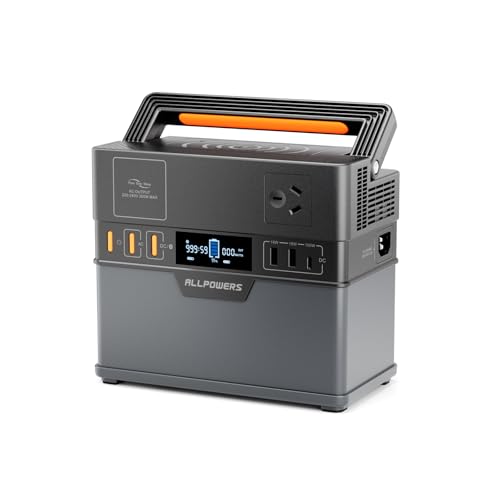
- CheapestALLPOWERS Portable Power Station S300Plus… about$29978000mAh, Pure sinewave, 300W.
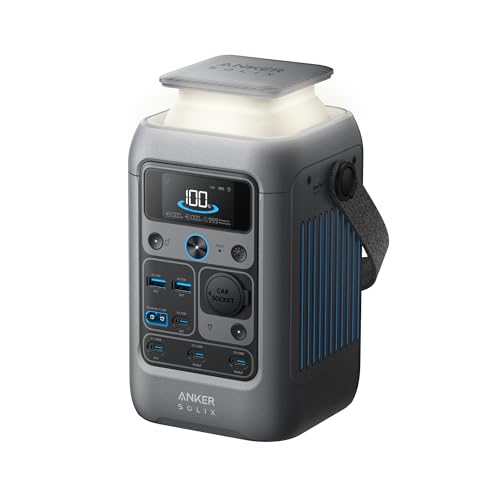
- Anker Power Bank Station SOLIX C300 DC about$399300W.
- B: Best UPS for ComputersEcoFlow RIVER 3 Plus 286Wh: Under-10ms UPS… about$4991200W.
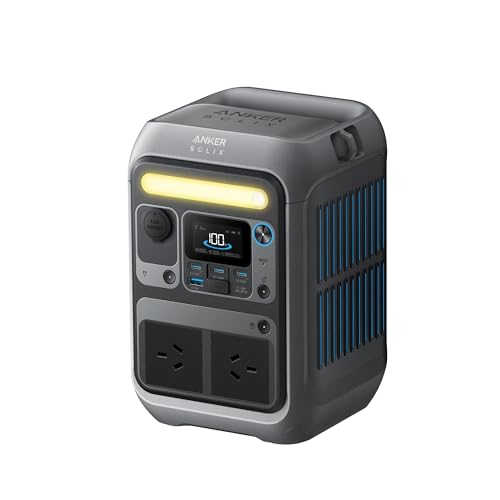
- Anker Portable Power Station SOLIX C300 about$499300W.
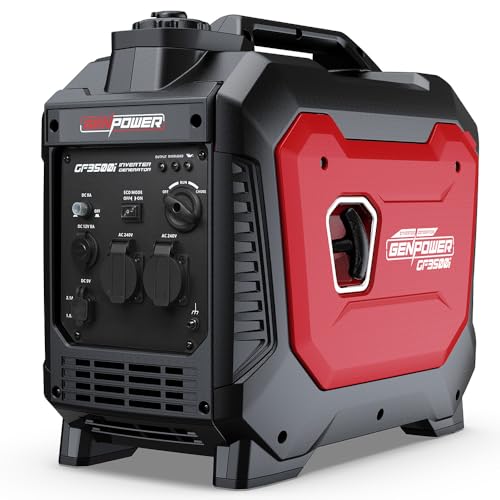
- Genpower 3.5kW Peak 3kW Enclosed Inverter… about$579.003500W.
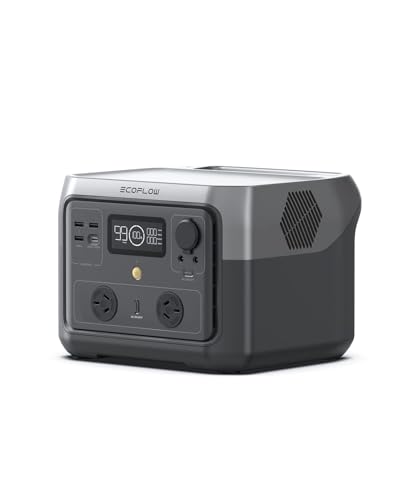
- EF ECOFLOW RIVER 2 Pro about$6291600W.
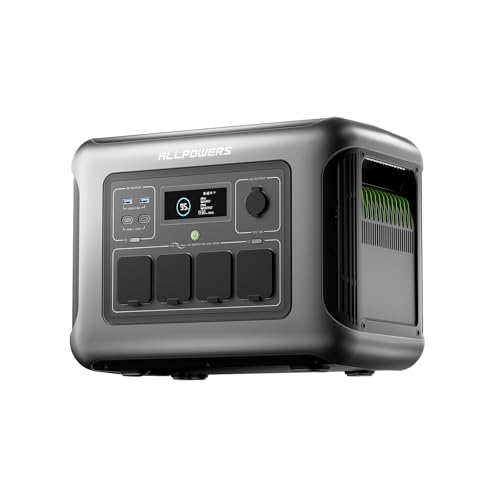
- A: Best OverallALLPOWERS R1500 LIITE 1056Wh: 1600W LiFePO4… about$849.99Pure sinewave, 1600W.
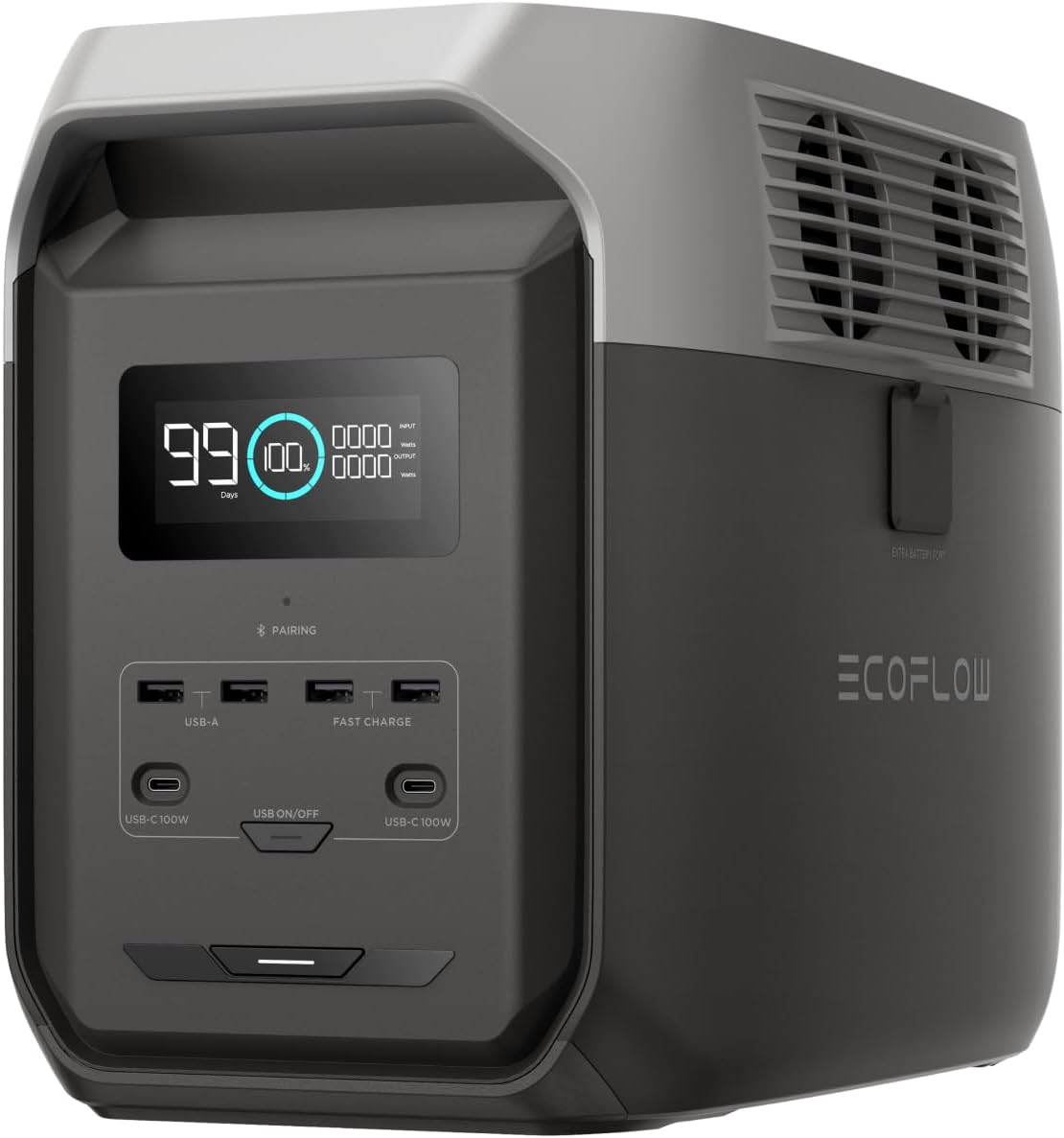
- EF ECOFLOW DELTA 3 about$1,8994000W.
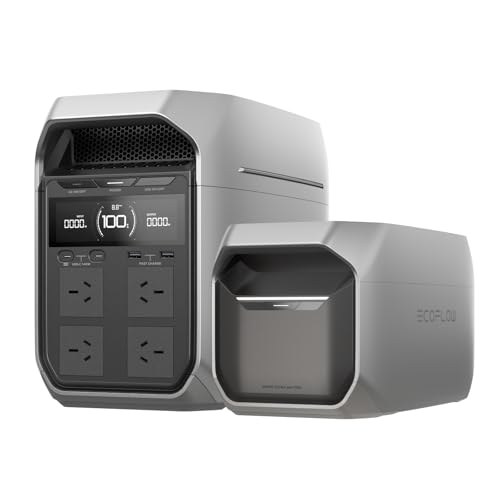
- EF ECOFLOW DELTA 3 Plus 1024Wh Portable… about$2,259220W.
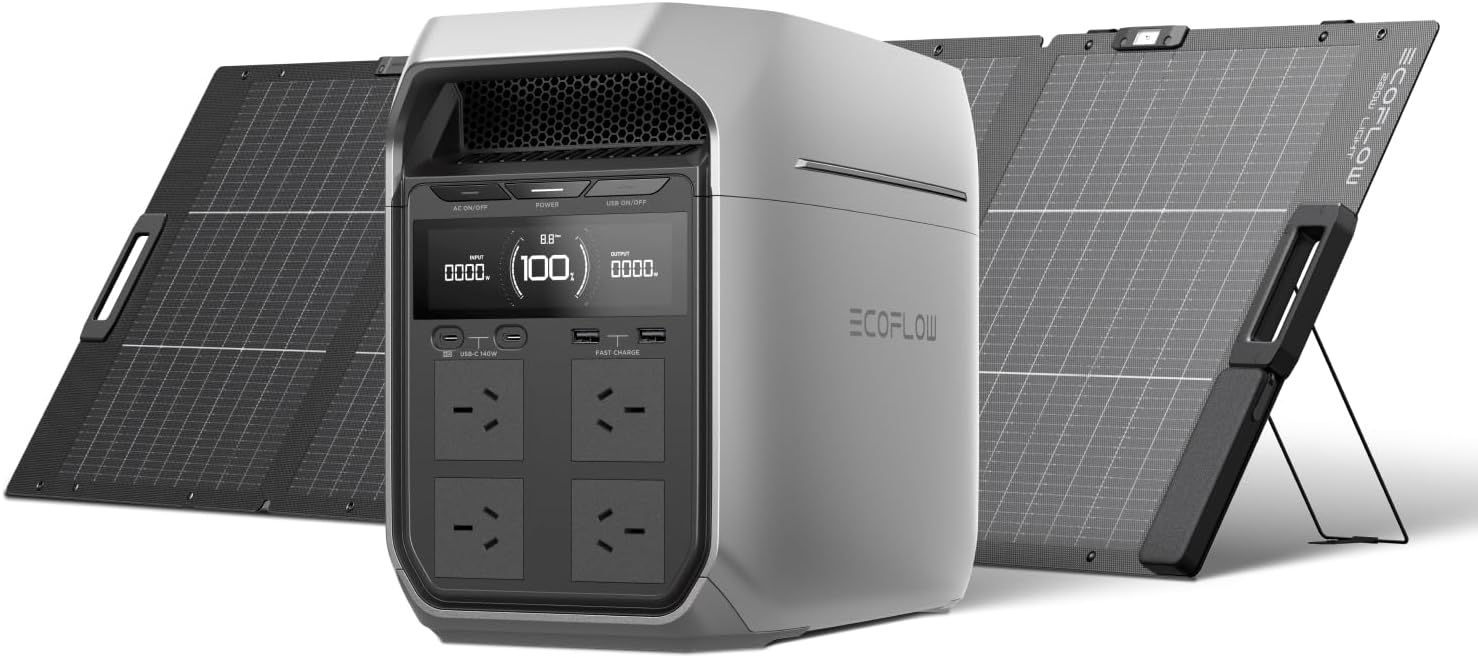
- Most PremiumEF ECOFLOW DELTA 3 Plus 1024Wh Portable… about$2,9391000W.
Best overall: ALLPOWERS R1500 LIITE 1056Wh, about $769. Whole-home essentials backup with 1056Wh LiFePO4 capacity and 1600W AC output (3200W peak). 0 to 80% in 40 minutes.
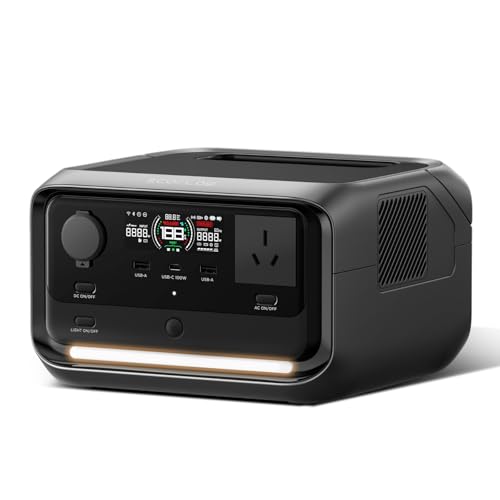
Best UPS for computers: EcoFlow RIVER 3 Plus 286Wh, about $499. Under-10ms switchover keeps computers and modems alive through brief outages. Refills from flat in about an hour.
Best for camping: EcoFlow RIVER 2 Pro 700Wh, about $629. 1600W output, 220W solar input, 70-minute AC recharge.
Best premium: EcoFlow DELTA 3 1500Wh, about $1,499. 1800W output (2200W with X-Boost) plus 1500Wh of capacity for whole-home essentials. 15ms UPS switchover, app monitoring.
Why portable power matters now
Australia's energy situation has shifted faster than most homes have prepared for.
The Strait of Hormuz has been closed by Iran's IRGC Navy since 4 March 2026, the route that carries roughly 20% of global oil and a meaningful share of Australia's refined fuel imports. Domestic resilience is at a near-record low: only two of eight refineries remain operational, with 71.7% of historical refining capacity permanently lost. Australia holds 33 days of fuel reserves on average against an IEA standard of 90.
Pump prices have already moved. Fuel rationing is no longer hypothetical.
At the same time, the grid itself isn't the safety net most Australians think it is. Coal still provides 47.2% of electricity. Renewables sit at 35.9% against an 82% target. According to AEMO, the reserve margin, the buffer between supply and demand, is at 5.2%, which is dangerously thin by any utility's standard. Retail electricity prices climbed 8.2% last year and aren't slowing.
Insurance is the third leg of the stool. Home insurance premiums rose 16% in a single year per the ACCC's affordability monitoring. One in eight Australian properties is now effectively uninsurable. ABC News coverage of the ongoing fuel crisis has tracked the convergence: fuel volatility, fragile grid, retreating insurance. This is why portable power stations have moved from "nice for camping" to "everyday infrastructure" for a growing number of households.
I run a repair shop on the Central Coast. Over the last 16 years, I've seen what survives daily abuse and what doesn't. The cheap chargers people buy at petrol stations kill batteries. The "10,000mAh" power banks that test at 3,000mAh real capacity. The battery packs that swell, leak, or thermally run away because they used the wrong chemistry to hit a price point. (We see this enough that I wrote up our refurbished phones with full test logs, same engineering principle: what's actually there vs what the box claims.)
This guide is built around what actually lasts. Six picks, each chosen for a specific use case, with the reasoning made explicit. If you're new to portable power, start with the next section. If you already know the specs you need, jump straight to the picks.
What to look for in a portable power station
Five specs matter. Everything else is marketing.
1. Capacity (Watt-hours, Wh)
This is the size of the tank. A 300Wh station runs a laptop for ~5 hours. A 1000Wh station runs a fridge for ~12 hours (depending on the fridge). A 3000Wh station can run a small house's essentials overnight.
Don't confuse Wh with mAh. mAh is for phone batteries, meaningful only at a known voltage. Wh is the universal unit. When a manufacturer publishes "20,000mAh" without a voltage, it's a marketing number, not an engineering one.
2. Output (Watts, W)
This is the size of the tap. A station might have 1,000Wh in the tank, but if its inverter only delivers 300W continuous, you can't run a kettle (~2,000W), a microwave (~1,200W), or most power tools. Two numbers matter:
- Continuous output: what it delivers for hours.
- Surge output: what it can handle for 1-2 seconds when something starts (motors, compressors).
A fridge needs ~150W continuous but surges to ~600W when the compressor kicks in. A station rated 500W continuous / 1,000W surge handles it. A station rated 300W continuous won't.
3. Battery chemistry
Two main options on the market: NMC (lithium nickel manganese cobalt) and LiFePO4 (lithium iron phosphate).
LiFePO4 is the better chemistry for stationary use. It runs cooler, doesn't thermally run away, and lasts 3,000-5,000 charge cycles vs ~500-1,000 for NMC. NMC is lighter, which is why some travel-focused stations still use it. For anything that lives in a garage, shed, or under a desk, LiFePO4 is worth the premium. (More on this below.)
4. Solar input (MPPT)
If you want the station to recharge without grid power, it needs a solar charge controller. Look for the input wattage range (e.g., 200W max, 11-50V). The higher the MPPT input, the more solar you can pair. A 200W MPPT controller with a 200W panel charges a 1,000Wh station in roughly 6 hours of good sun.
Stations sold without solar input are short-term backup tools, not actual off-grid kit.
5. Output port mix
AC outlets are essential, but the port mix matters more than people think. USB-C PD at 100W means you can fast-charge a MacBook or Dell XPS without a separate brick. A 12V cigarette lighter output runs car fridges, dashcams, and tyre inflators directly. RV-style 30A output runs caravan setups. Cheap stations skip these and force you to use an AC outlet for everything, which wastes 10-15% of capacity through inverter losses.
Other things worth knowing:
- Weight matters. A 1,000Wh LiFePO4 station weighs around 14kg. A 1,000Wh NMC station weighs around 9kg. If you're carrying it, this matters.
- Pass-through charging lets the station feed devices while it's being charged itself. Useful, often missing on budget models.
- App control is fine if it's optional. Stations that only work via app (with no manual override) will brick when the app stops being supported.
- Warranty for premium brands is usually 5 years on the battery. Anything under 2 years is a red flag.
Top picks by use case

ALLPOWERS R1500 LIITE 1056Wh: 1600W LiFePO4 Home Backup
Amazon AU best-seller rank: #25 in Outdoor Generators • ASIN B0FJM2VLBX • ~$849.99
The best all-rounder here, and currently #25 in Amazon AU's Outdoor Generators category. 1056Wh of LiFePO4 sits behind four pure sine wave AC outlets rated 1600W continuous and 3200W peak, which is real headroom for a kettle or a microwave rather than a number that trips the inverter the moment a compressor kicks in. It charges 0 to 80% in 40 minutes from the included AC cable, and a mute mode holds it under 35dB if it is refilling overnight in a hallway. Solar input goes up to 650W. UPS switchover is 15ms, quick enough that a desktop or a file server rides through a cut instead of dropping. Nine outputs cover the four AC sockets, two 100W USB-C, two 18W USB-A and a 12V car socket. The cells are rated to hold above 80% capacity after 3500 cycles, and ALLPOWERS backs it with a 5 year warranty.
Best for: Households wanting a single unit that carries the essentials through a multi-hour outage, then stores away between blackouts. Not the pick if you need stackable battery banks. For that, see Slots E or F.
Capacity: 1056Wh • Output: 1600W AC (3200W peak) • Chemistry: LiFePO4 • UPS: 15ms • Solar: up to 650W • 12V: yes
View on Amazon AU Full specs
EcoFlow RIVER 3 Plus 286Wh: Under-10ms UPS for Computers
Amazon AU best-seller rank: #28 in Outdoor Generators • ASIN B0DTPXJ8BN • ~$499
The one to buy if the job is keeping computers, modems and networking gear alive through brief power events. 286Wh of LiFePO4, 600W continuous output (1200W with X-Boost), and a UPS switchover under 10ms, quick enough that a desktop or a router never registers that the grid dropped. Three of its AC outlets are UPS-backed, and it raises an alert by LED, app or desktop software and triggers an automatic data save when it takes over. EcoFlow's X-GaNPower design holds it to about 30dB and roughly doubles run time on appliances drawing under 100W. X-Stream charging refills it from flat in about an hour, or 1.5 hours off a 220W solar panel. If 286Wh turns out to be tight, an EB300 or EB600 pack clips on by pogo pin and takes the system to 858Wh.
Best for: Home offices, gaming rigs, network closets, and anyone who's lost work to a 30-second blip. Not fridge backup: treat it as a UPS for short outages and a top-up for small gear, not an overnight blackout battery.
Capacity: 286Wh (expandable to 858Wh) • Output: 600W AC (1200W X-Boost) • Chemistry: LiFePO4 • UPS: under 10ms • Solar: 220W
View on Amazon AU
EcoFlow RIVER 2 Pro 700Wh: 1600W with 220W Solar Input
Amazon AU best-seller rank: #32 in Outdoor Generators • ASIN B0DF7PQRQ9 • ~$629
The serious weekend off-grid kit. 700Wh of LiFePO4 capacity, 1600W continuous AC output (enough for a small portable cooktop or kettle), and a 70-minute AC recharge that's among the fastest in its size class. Solar input takes up to 220W and tops the pack up in about 3.5 hours of decent sun. Eleven outlets cover AC, USB-C and DC. At 7.8kg it's borderline for hike-in camping but easy in a 4WD or caravan. The LFP cells are rated for 3,000+ cycles to 80%, so at one full cycle per camping weekend the battery still holds 80%+ capacity decades from now.
Best for: Camping, RVs, beach houses, or weekend off-grid stays where you need real cooking and lighting, not just phone charging. It doesn't take EcoFlow's add-on battery banks like the DELTA series, so 700Wh is your ceiling: when it's empty, you're waiting for the sun.
Capacity: 700Wh • Output: 1600W AC • Chemistry: LiFePO4 • UPS: 30ms • Solar: 220W • 12V: yes
View on Amazon AU Full specs
ALLPOWERS S300Plus 288Wh: 300W with Built-In 12V
Amazon AU best-seller rank: #20 in Outdoor Generators • ASIN B099K3NCHN • ~$299
The car backup for everyday drivers. 288Wh behind a 300W pure sine wave AC outlet, with the 12V cigarette lighter socket built in, which not every power station this size bothers to include. Mains recharge takes about 1.5 hours, or about 1.2 hours if you feed it mains and solar at the same time. UPS switchover is under 10ms, so a modem or a desktop rides through a flicker instead of rebooting. There is a wireless charging pad on top and an LED panel on the back with bright, dim and SOS modes, which is the kind of detail you only appreciate once you are stopped on a verge after dark. ALLPOWERS isn't as recognised in Australia as EcoFlow, but the port count is generous and it ships with a 5 year warranty.
Best for: Glove-box-sized backup for road trips, dashcam buffers when parked, or small-event backup power. Don't try to run it as whole-home backup. That's Slot E or F territory. At 288Wh this is a top-up battery, not an all-night fridge supply.
Capacity: 288Wh • Output: 300W AC pure sine wave • UPS: under 10ms • Solar: 100W max MPPT • 12V: yes • Warranty: 5 years
View on Amazon AU Full specs
EcoFlow DELTA 3 1500Wh: Whole-Home Essentials Backup
Amazon AU best-seller rank: #112 in Outdoor Generators • ASIN B0DR8GCSD8 • ~$1,499
The big-capacity backup pick. 1500Wh of LiFePO4 capacity, 1800W continuous AC output (2200W with EcoFlow's X-Boost), 35dB ultra-quiet operation, and a 15ms UPS switchover. It charges from 0 to 100% in about 90 minutes via EcoFlow's X-Stream technology, and the EcoFlow app adds remote monitoring and outage alerts. At around $1,499 that works out to roughly $1.00 per Wh, a sensible entry point into serious home backup. The 1800W output (2200W with X-Boost) runs fridges, TVs, laptops and most kitchen appliances one at a time; it's the 1500Wh capacity, expandable with add-on batteries, that makes it a genuine whole-home-essentials backup rather than a weekend unit.
Best for: Households serious about backup power who don't want to think about it. Not the right pick for camping (bigger and heavier than RIVER-class hardware) or for those who don't need 1500Wh of capacity: Slot C handles weekend off-grid lighter.
Capacity: 1500Wh • Output: 1800W AC (2200W X-Boost) • Chemistry: LiFePO4 • UPS: 15ms • Solar: yes • App: EcoFlow
View on Amazon AU Full specs
EcoFlow DELTA 3 Plus 1024Wh + 220W Bifacial Solar Panel
Amazon AU best-seller rank: #26 in Outdoor Generators • ASIN B0F38D4QK6 • ~$2,209
The "buy once" bundle. DELTA 3 Plus station (1024Wh, 2200W AC output, expandable to 5kWh with additional batteries) plus a 220W bifacial solar panel. 1500W AC input, 1000W solar input, 4000-cycle LFP cells with a 10-year warranty. The bundle saves roughly $300 to $400 versus buying the components separately, and means you can run off-grid the same day it arrives. 10ms UPS switchover. The 5kWh expansion path is the differentiator: start with the 1024Wh base, then add batteries over time as you can afford them.
Best for: Anyone who knows they want solar resilience but doesn't want to assemble the system from individual components. Not the cheapest entry point: the DELTA 3 1500Wh in Slot E is better value if you don't need the panel or solar charging out of the box. The bundle premium is justified by the integrated warranty and matched components rather than by raw spec advantage.
Capacity: 1024Wh (expandable to 5kWh) • Output: 2200W AC • Chemistry: LiFePO4 • UPS: 10ms • Solar: 1000W (220W panel included)
View on Amazon AU Full specsSide-by-side comparison
| Product | Price | Best for |
|---|---|---|
| ALLPOWERS Portable Power Station S300Plus… | ~$299 | |
| Anker Power Bank Station SOLIX C300 DC | ~$399 | |
| Anker Portable Power Station SOLIX C300 | ~$499 | |
| Genpower 3.5kW Peak 3kW Enclosed Inverter… | ~$579.00 | |
| EF ECOFLOW RIVER 2 Pro | ~$629 | |
| EF ECOFLOW DELTA 3 | ~$1,899 | |
| EF ECOFLOW DELTA 3 Plus 1024Wh Portable… | ~$2,259 | |
| EF ECOFLOW DELTA 3 Plus 1024Wh Portable… | ~$2,939 | |
| ALLPOWERS R1500 LIITE 1056Wh: 1600W LiFePO4… | ~$849.99 | A: Best Overall |
| EcoFlow RIVER 3 Plus 286Wh: Under-10ms UPS… | ~$499 | B: Best UPS for Computers |
Battery chemistry: LiFePO4 vs NMC explained
The single biggest decision when buying a power station isn't capacity or brand. It's chemistry.
LiFePO4 (lithium iron phosphate) is the chemistry used in serious off-grid systems, electric buses, and increasingly in EVs. It has three properties that matter for portable power:
- Cycle life of 3,000-5,000 charges to 80% capacity. At one full cycle per week, that's 60-100 years of weekly use. In practice you'll replace it for other reasons before the cells degrade.
- Thermal stability: it doesn't catastrophically fail when overcharged, punctured, or short-circuited. It will degrade or shut down, but it won't ignite the way damaged NMC cells can.
- Wider temperature range: usable down to about -20°C, up to +60°C. NMC starts losing capacity below 0°C and degrading rapidly above 45°C.
The trade-off is weight. LiFePO4 is roughly 30-50% heavier than NMC for the same capacity. That's why ultra-portable stations and most laptops still use NMC.
For a power station that lives in a shed, a garage, the boot of a car, or a workshop, LiFePO4 is the right answer 95% of the time. All six picks above use LiFePO4.
One mistake to avoid: some manufacturers publish "lithium-ion" or "Li-ion" without specifying which chemistry. That's almost always NMC. If they don't say "LiFePO4" or "LFP", assume NMC and discount the cycle life claims accordingly. A 1,000-cycle NMC battery used twice a week is dead in 10 years; a 3,500-cycle LiFePO4 used the same way is still on its first cells at 30 years.
How to use a power station properly
Five rules that will keep your station alive longer than the warranty.
- Don't run it flat. Lithium chemistries hate full discharge. Stop using the station at around 20% remaining. Most stations have a low-voltage cutoff around 5-10%, but every cycle that bottoms out shortens the cell's life. If you're using the station for blackout backup, plug your essentials in and pull them out when the station hits 25-30%, not when it's beeping.
- Don't leave it at 100% for months. This is counter-intuitive but true: lithium cells degrade fastest when stored full. If you're using a station seasonally (camping in summer, blackout backup the rest of the year), discharge it to about 50% before long-term storage. Top up to 50% every 3-6 months.
- Keep it cool. Above 35°C, both NMC and LiFePO4 degrade faster. A station stored in a hot garage in summer ages roughly 2x faster than one stored at 20°C. Shade matters. Insulation matters. Never charge a station in direct sun on a 40°C day, it can hit internal temperatures that trigger thermal protection and shut it down mid-charge.
- Pair with the right solar. A 200W panel feeding a station with a 100W MPPT controller wastes 100W. A 100W panel feeding a station with a 200W MPPT controller charges fine but slowly. Match panel wattage to MPPT input, and check the voltage range. Many stations want 11-50V solar; a high-voltage caravan panel array might exceed that and trip the controller.
- Don't daisy-chain inverters. A common mistake: people plug a power inverter into the AC outlet of a power station. This adds a second inverter stage, doubles the conversion losses (15% becomes 30%), and creates harmonic distortion that damages sensitive electronics. If you need DC-to-DC, use the station's native DC outputs. If you need AC, run AC directly off the station.
Common mistakes I see at the repair shop
After 16 years of repairing electronics, certain failure patterns are obvious.
The "kettle test" mistake. Someone buys a 600W-rated station and tries to run a 2,200W kettle. The station shuts down (or worse, the inverter cooks). Kettles, microwaves, hair dryers, and most space heaters need 1,500W minimum. Plan for what you actually need to run, then size up 30%.
The cheap charger problem. People buy a $300+ station, then charge it with the cheapest no-name USB-C cable they can find. The cable has poor current handling, the cells get inconsistent charging current, and over time the BMS develops imbalance. Use the included charger or a quality replacement, not a $5 unbranded knockoff.
The "I'll just leave it in the car" mistake. A power station in a hot car boot in Australian summer can hit 60°C+ internally. That's beyond the safe range for both LiFePO4 and NMC chemistries. Cells degrade rapidly. After three or four summers, capacity is half what it was. If you're using a station for road trips, take it out of the car when you're parked for more than a few hours.
The fake mAh shortcut. I've tested $40 "30,000mAh" power banks that delivered less than 8,000mAh of usable capacity. Reputable manufacturers publish Wh figures and stand behind them. If a station's specs read "300,000mAh" without a voltage stated, walk away.
The forgotten firmware update. Smart stations with apps occasionally push firmware updates that improve charging efficiency and battery management. People buy the station, set it up once, never update. After two years the BMS firmware is two generations behind and the station charges 15% slower than it should. Check for updates every 6 months.
Frequently asked questions
How long will a 1,000Wh station run my fridge?
A modern energy-efficient fridge draws around 80-100W average (with compressor cycling). A 1,000Wh LiFePO4 station, accounting for inverter losses, runs it for roughly 8-10 hours. Older fridges draw 150W+ and last about 5-6 hours. Bar fridges and beverage coolers can stretch to 15+ hours.
Can I charge it from my car's alternator?
Yes, with a proper alternator charger. Most stations include a 12V input that runs at 100-200W when fed from a cigarette lighter socket. Stations with dedicated alternator chargers can pull power from a running engine at 6-8x that rate. Don't try to draw more than 30A continuously from a standard cigarette socket. The wiring isn't rated for it.
Is LiFePO4 worth the premium over NMC?
For anything that lives at home, in a workshop, in a shed, or in a car: yes. The cycle life difference (3-5x longer) more than pays for the upfront premium over the station's life. For ultra-portable use where you're hiking or backpacking, NMC's weight advantage might still matter. All 6 picks in this guide use LiFePO4.
Can a portable power station run a CPAP overnight?
A typical CPAP draws 30-60W average (more with a heated humidifier, less without). A 500Wh station runs a basic CPAP for 8-10 hours. A 1,000Wh station runs one with a heated humidifier for the same duration. Always test before relying on it. Some CPAPs draw briefly higher when the humidifier element kicks in.
What about warranty in Australia?
Most premium brands offer 5 years on the battery and 2 years on the inverter and electronics. Australian Consumer Law gives you additional rights: a station that fails in 18 months from normal use is likely covered regardless of warranty length. Keep your purchase receipt and the original packaging if you can.
Will a portable power station survive being thrown in the boot?
Quality stations with LiFePO4 cells handle vibration well. These chemistries are used in EVs and industrial equipment. The vulnerable parts are the AC outlet, USB ports, and screen. Stations with rubberised corner bumpers and recessed ports handle road abuse much better than slick premium designs with exposed glass and plastic. If road durability is a priority, look for IP-rated stations (IP54 or higher).
How I'd choose
If you're buying your first portable power station, here's the decision tree I'd actually walk:
- Just want backup for blackouts? Slot A (ALLPOWERS R1500 LIITE) for whole-home essentials, Slot B (EcoFlow RIVER 3 Plus) for computers only.
- Going camping or off-grid weekends? Slot C (RIVER 2 Pro). Solar input is non-negotiable.
- Driving a lot, want car backup? Slot D (S300Plus). Smaller capacity, but 12V output and weight matter.
- Whole-home backup, big fridge, multiple devices? Slot E (DELTA 3 1500Wh). The 1500Wh capacity, expandable with add-on batteries, is the differentiator.
- Want the easiest "buy once" answer with solar? Slot F (DELTA 3 Plus + panel). Bundle saves money and you don't have to think about pairing.
- Setting up outdoor movie nights? Any of the camping stations here will run a projector well off-grid, so pair one with our best 4K laser projectors guide for a backyard cinema that packs down into a bag.
The single biggest mistake I see is people buying a station that's too small because they underestimated their actual draw. Better to buy 30% more capacity than you think you need. The cell degradation rate is much slower at lower depth-of-discharge, so buying 30% bigger gives you a station that lasts twice as long in real use.
If you want the full catalogue, browse our portable power category for every station we've vetted. For sister buying guides on related setups, see smart home power savings (cutting bills before you need backup), smart home on a budget, and the best dash cam guide for 12V-output applications.
If you have specific questions, drop into the iFix shop in Erina. We test power stations at the bench routinely. Genuinely happy to talk through which one fits your specific situation.
Need a hand picking the right power station?
If you'd like advice on sizing a station to your actual home draw, or troubleshooting one that's already misbehaving, we're happy to help on the Central Coast.