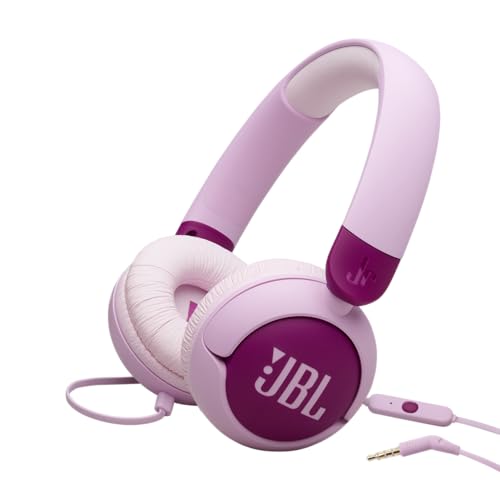
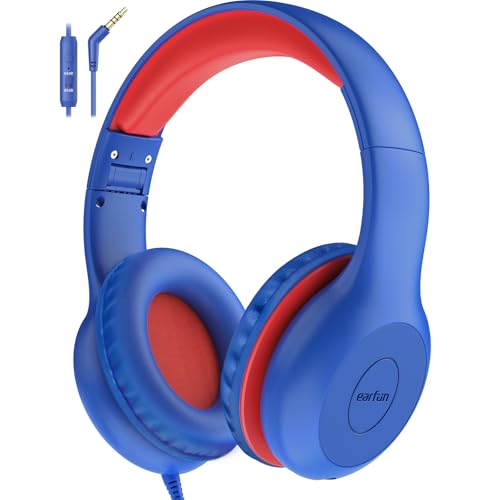
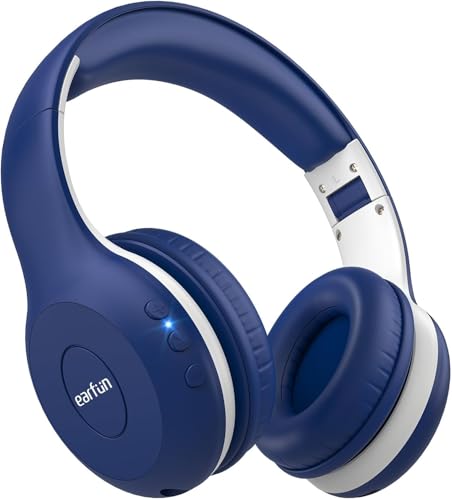
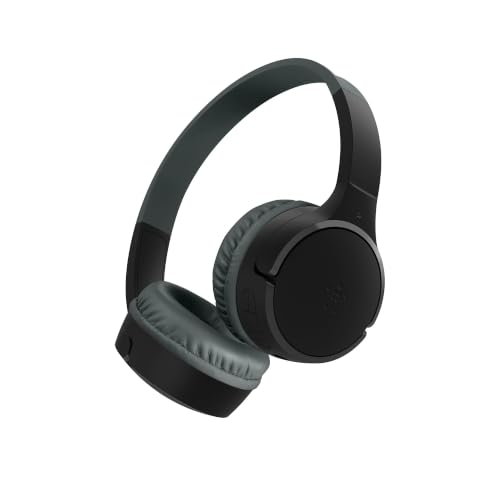
Prices from Amazon AU, updated daily. Swipe or use the arrows for more.
Disclosure: This article contains affiliate links to amazon.com.au. If you buy through one of these links iFix may earn a small commission at no extra cost to you. It doesn't change which products we recommend. We focus on what actually lasts based on 16 years of repair-shop experience.
Quick summary8 picks
- Entry PickJBL Junior 320 about$38
- EarFun K1 Kids Wired Headphones about$29.99
- EarFun Kids Bluetooth Headphones about$49.99
- Belkin SoundForm Mini Kids Wireless… about$34.00
- iClever BTH22 Kids Bluetooth Headphones about$36.99
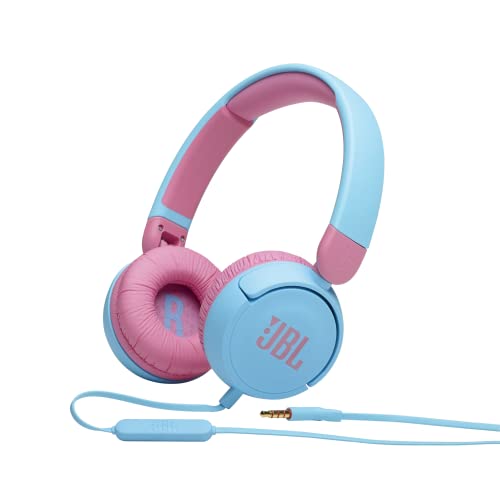
- JBL Jr310 about$39.95
- iClever 2Pack Kids Headphones with Sharing… about$42.99
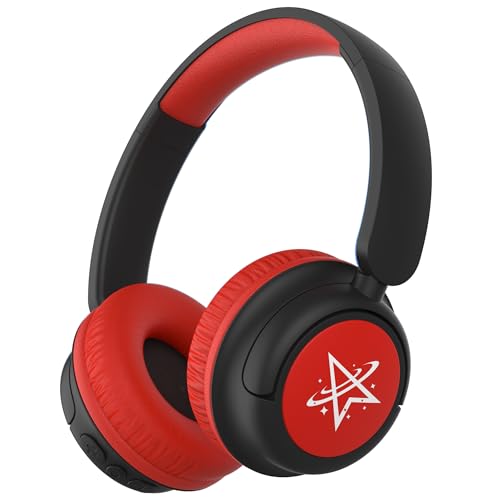
- Most PremiumMoki Mixi Kids Volume Limited Wireless… about$42.49
What a volume limiter actually is
Every pair in this guide is sold on one number, usually 85 decibels, and it's worth being clear about what that number is before spending anything. A volume limiter is a cap on the headphone's own output: either a resistor network in the cable on wired sets, or a firmware ceiling in the Bluetooth chip on wireless ones. Turn the source volume to maximum and the headphones simply stop getting louder at the cap. That's the whole trick. It doesn't measure the room, it doesn't know what's playing, and it doesn't adjust anything intelligently, whatever the marketing art implies.
The reason 85 comes up everywhere is that it's the level workplace noise rules around the world use as the benchmark for a full eight-hour exposure, so the industry borrowed it as the ceiling for kids gear. The picks here actually span a wider range than the marketing suggests: the iClever BTH22 offers a stricter 74 dBA mode alongside its 85, the Moki caps at 89, and the EarFun K2 has a switchable 94 dB mode that deserves its own discussion below. Those differences are stated on the listings, and they're bigger than the differences in sound quality at this price.
From the repair side of the counter, the limiter is also the one part that almost never fails. What comes into the shop is snapped headbands, crushed hinges, dead charge ports and cables chewed by the bottom of a schoolbag, which is why most of this guide is about mechanical survival rather than acoustics. A $35 pair of kids headphones is a consumable in the way a mid-range tablet isn't, and buying the pair that survives the year is the actual money decision.
The 85dB number, and the switches that move it
The honest version of the 85dB story has two caveats the boxes don't print. First, the cap is measured with a standard test signal at a standard drive level, so real output depends on the source too: a phone at full volume into a wired passive limiter can land a few decibels either side of the sticker, because a resistor network scales the signal down rather than clamping it at an absolute ceiling. Bluetooth sets hold their cap more firmly, since the limit lives in the chip after the volume control rather than in a length of wire before the driver.
Second, several kids headphones ship with a switch that raises the cap, and the EarFun K2 here is upfront about it: 85 dB in the default mode, 94 dB in the other. Nine decibels is not a small step, it's roughly three times the sound energy, and the higher mode exists for noisy places like plane cabins where the capped version disappears under the engine noise. There's a reasonable argument for that feature on a long flight, and no argument at all for leaving the switch there permanently once you're back home, so if you buy a switchable pair, know where the switch is and check it occasionally.
The Moki Mixi sits at a stated 89 dB restriction, above the usual figure, which I'd rather tell you plainly than bury: it's a limit, just a looser one than the iClever and Belkin caps. And on any of them, remember the limiter governs the headphones only. It does nothing about the volume of anything else in a child's day, and a capped headphone turned up to its own maximum for hours on end is still doing a lot more work than the same headphone at half volume. The cap is a guard rail, not a licence, and the session length matters as much as the level. An hour at the cap and three hours at the cap are different situations, and no piece of hardware in this guide manages that part for you. Breaks are still the parent's department.
Wired still wins for school
For actual classroom use, the wired option keeps beating Bluetooth for reasons that have nothing to do with sound. A wired pair is never flat, because there's nothing to charge. It never needs pairing, which matters when a teacher is trying to get twenty-five tablets connected to twenty-five headphones in the first five minutes of a lesson. There's no battery to age, no firmware, and when something fails it's nearly always the cable, which on a 3.5mm pair is the most fixable fault in consumer audio. The iClever HS22 two-pack in this guide is that logic in product form: two wired pairs and a splitter for $41.
The splitter deserves a mention on its own, because it solves the back-seat problem better than anything digital does: two kids, one screen, one 3.5mm jack, both pairs plugged into the same tablet through the included adaptor, no pairing and no arguments about whose turn it is. Try that trick over Bluetooth and you need hardware that supports dual audio streams, which at this end of the market you mostly won't get. School BYOD lists are also blunt about it: plenty still specify wired headphones exactly because the pairing and charging problems multiply by thirty in a classroom.
The one real complication is the disappearing headphone jack. Most school-issue tablets and laptops still carry a 3.5mm socket, but a newer iPad or recent phone often doesn't, and then a wired pair needs a USB-C adaptor, which is one more small part to lose. Check the actual devices the child uses before deciding, and if those are covered in our kids tablet guide, the jack question is answered on the same page. Households that land wireless anyway should just make charging the headphones part of the same nightly ritual as charging the tablet.
The parts that snap in a schoolbag
Kids headphones die mechanically, and they die in predictable places. The headband slider is the classic: the adjustable section is the thinnest plastic in the whole assembly, it's under load every time the headphones go on, and it's what gives way when the pair gets sat on at the bottom of a bag. The ear cup gimbals, the small yokes that let the cups rotate, are the second weak point, and folding hinges are the third, because every fold is a joint and every joint is a future crack. A foldable pair packs smaller, which is genuinely useful, but understand you're trading in some strength for it.
The listings here make claims worth reading in that light. iClever states its BTH22 uses improved ABS that it rates as 50 percent stronger than its regular material, with a reinforced button structure, and its wired HS22 leans on a tangle-resistant nylon-sheathed cord and ear cups that rotate 90 degrees to lie flat rather than fold in half. Rotating flat is the better compromise: the pair still slips into a bag pocket without the fully-hinged folding mechanism that snaps. The Belkin and Moki listings talk fit and adjustment more than impact strength, which is normal for the price and not a black mark, just an unknown.
Buying for survival looks like this: prefer rotation over folding, prefer a detachable 3.5mm cable over a fixed one where you can get it, since a detachable cable turns the most common failure into a five-dollar part, and teach the case habit early if there is a case. And when a favourite pair does crack, a snapped headband on an otherwise healthy set is often a repairable fault rather than a bin decision, which is not something the price tag would suggest but is regularly true in the workshop. The plastic fails long before the drivers or the electronics do, which means most casualties are structural repairs on otherwise healthy hardware, and structural repairs are the forgiving kind.
Battery claims, and the flat pack at the bottom of the bag
The battery numbers across these picks are honest-looking in a way that deserves decoding: 60 hours claimed on the iClever BTH22, 40 on the EarFun K2, 30 on the Belkin. Those are playback figures at moderate volume with the pack new, and the ranking between models is more trustworthy than the absolute numbers. All three will get a school week per charge with ease, which is the figure that matters. The differences show up at the margins: a 60-hour pack forgives a forgotten charger for longer, and a smaller pack just means the plug-in habit needs to be weekly rather than monthly. None of them is the kind of two-hour battery that turns a device into a daily chore, which is worth something in a house already charging tablets, watches and everything else every night.
What kills these batteries isn't school-week use, it's the holidays. A lithium pack left fully flat in a drawer for two months is the single most common way a working pair becomes a dead pair, because small packs sit closer to the edge of deep discharge than big ones do. The fix costs nothing: charge to around half before any long break. The charging hardware is thankfully standardised now, USB-C across the wireless picks here, with the Belkin adding a stated 10-minute charge for 3 hours of playback, which is the right feature for a household that discovers the flat battery at 8:40am.
Every wireless pick here also has an escape hatch worth checking on the listing: the iClever BTH22, the Belkin and the Moki all take a 3.5mm cable, so a flat battery becomes an inconvenience rather than a silent bus ride. Chargers are the other honesty point. These are small packs that need nothing special, and the no-name multi-port bricks that come home from the discount aisle are a worse bet than any headphone in this guide, for reasons covered in our bad chargers explainer. Any known-brand phone charger is the right tool.
Fit, age bands and when they outgrow the caps
Fit is where kids headphones differ most from shrunken adult gear. A child's head needs a shorter headband throw, lighter clamp force and smaller cups, and the picks here address it with stated mechanisms: the iClever BTH22 runs a 10-level headband adjustment with rotating cups and comes in at roughly 150 grams, the EarFun K2 pairs a memory foam headband with foldable cups, and Belkin pitches kid-sized cushions on an adjustable frame. iClever states its fit range starts around age three. On a small head, an over-ear cup often sits more like an on-ear anyway, so the on-ear versus over-ear distinction matters less down here than it does in adult gear.
Comfort is compliance, and that has a volume angle. A pair that clamps or itches gets pushed askew or swapped for whatever's around, and a seal that's broken means outside noise leaks in, which means the volume goes up to compensate. The same logic explains why the quietest classroom headphone is the one that fits: a decent seal at 70-odd decibels beats a bad seal at the full 85. It's the same principle that makes fit the first thing to sort on adult noise-cancelling gear, just implemented in smaller plastic with brighter colours. If a child keeps pulling a particular pair off, believe them and try a different shape, because the specs table can't measure the thing that actually decides whether headphones get worn.
Kids also age out of these faster than the hardware wears out. By the early teens, capped drivers and small cups start losing the argument with the child, and the honest next step is adult gear used sensibly rather than kids gear resented. When that day comes, our noise-cancelling headphones guide covers the upgrade path, and the volume habits built on the capped pairs are the part that carries over. Until then, a $31 to $43 pair that fits properly is doing everything the expensive alternatives would.
The 5 picks, $31 to $43
Prices are Amazon AU at time of writing (30 September 2026) and move week to week. Ranks are Amazon AU category sales ranks, checked the same day.

iClever BTH22 Kids Bluetooth Headphones
ASIN B0D174KVTB • $33.24 • Sold by Ohuhu AU on Amazon AU
The strongest overall package here and the highest-ranked, at #8 in Over-Ear Headphones for $33. The spec that separates it is the dual volume cap: a standard 85 dBA mode and a stricter 74 dBA mode for quiet rooms, which is a meaningful choice no other pick in this guide offers, since the right ceiling for a bedroom at night and a car trip aren't the same number. iClever pairs that with what it calls its Sound Refiner processing, aimed at pulling down the harsh 2 to 4kHz band where loudness does its worst work, and a 40mm driver doing the ordinary musical duties underneath. On paper and on rank, it's the pair the rest of the category is chasing this year.
The battery claim is the other standout: 60 hours on Bluetooth 5.4, which in school terms is several weeks of lessons and bus rides between charges, over USB-C when the day comes. When the pack does go flat there's a 3.5mm AUX socket and cable support, so the pair keeps working wired, and that fallback is exactly what you want discovered at 8:40 on a school morning. Build-wise, iClever states an improved ABS shell it rates as 50 percent stronger than its regular material, a reinforced button structure rated for double the presses, and rotating ear cups on a 10-level adjustable headband, at a stated weight of roughly 150 grams.
Caveats are modest at the price. The claims about material strength are iClever's own, from the listing rather than an independent test, and the brand sells through marketplace storefronts rather than an Amazon AU first-party listing, so check the returns terms at purchase. Neither point moved me off it: the rank says the market has already voted, and the 74 dBA mode plus wired fallback is the most complete feature set in the category at this money. If one pair has to cover the school run, the classroom and the lounge without a second thought, this is the one I'd hand over, in whichever colour survives the negotiation.
Honest caveats: Strength and battery figures are the manufacturer's own listing claims, not independent tests. Sold via a marketplace storefront rather than Amazon AU directly, so read the returns terms. The 85 dBA cap applies to Bluetooth use; wired via AUX, treat the source volume with the same care as any wired pair.
Best for: The one-pair answer for school, bus and home, with the only 74 dBA quiet mode in the guide.
Volume cap: 74/85 dBA dual modes • Battery: 60 hours claimed • Bluetooth: 5.4, with mic • Wired fallback: 3.5mm AUX supported • Charging: USB-C • Driver: 40mm • Fit: 10-level headband, rotating cups, ~150g • Rank: #8 in Over-Ear Headphones (Amazon AU)
View on Amazon AU
Belkin SoundForm Mini Kids Wireless Headphones
ASIN B0D4ZMNMZ5 • $31.99 • Ships from Amazon AU
The Belkin is the pick for the household that wants a recognised accessory brand with local distribution behind the warranty, at $32 and #10 in Over-Ear Headphones. The core spec is exactly what the category demands and nothing exotic: an 85dB volume limiter, Bluetooth 5.3, a built-in microphone for video lessons and calls, and touch controls simple enough for a seven-year-old to run without help. Belkin tunes what it calls its Signature Sound for children's listening, and while I treat tuning claims at this price as marketing weather, the fundamentals underneath are all present and stated plainly on the listing, with nothing exotic to configure and nothing that needs an app to work.
The genuinely useful spec is the charging behaviour: a 10-minute USB-C charge is stated to return up to 3 hours of playback, against a full battery life of 30 hours. Thirty hours is the smallest claim among the wireless picks here, and the fast charge is what makes it not matter, because the flat-battery discovery at breakfast becomes a solved problem by the time the school bag is packed. There's a 3.5mm wired option with the cable included for when the battery or the pairing misbehaves, plus a sheet of stickers in the box, which costs Belkin cents and buys a surprising amount of goodwill from the actual end user.
What you give up against the iClever is the second volume mode, half the battery hours and the fancier build claims. What you get back is the simplest ownership story in the guide: a first-party Amazon AU listing, a brand with an established Australian support channel, and hardware with few enough features that nothing much can be set wrong. For younger kids especially, that maths works. The stickers sound like a throwaway detail, but ownership rituals matter at this age: a pair the child has decorated is a pair that comes home from school, and lost headphones cost more than any spec shortfall ever will.
Honest caveats: Battery life is the shortest of the wireless picks at a claimed 30 hours, and there's no second volume mode or app. Sound tuning claims are unverifiable at this price. Touch controls can be triggered by fidgeting hands, so expect some accidental pauses early on until the habit forms.
Best for: Younger kids and first headphones: a known brand, simple controls, and a fast charge that rescues flat-battery mornings.
Volume cap: 85dB limiter • Battery: 30 hours claimed • Fast charge: 10 min for up to 3 hours • Bluetooth: 5.3, with mic • Wired option: 3.5mm, cable included • Charging: USB-C • Extras: Stickers included • Rank: #10 in Over-Ear Headphones (Amazon AU)
View on Amazon AU
EarFun K2 Kids Bluetooth Headphones
ASIN B0DBHX8VML • $30.67 • Sold by EarFun AU on Amazon AU
The lowest price in the guide at $31, and a spec sheet that reads above it: Bluetooth 5.4, a claimed 40 hours of playback, 40mm drivers, a microphone for calls and online lessons, and a fold-flat design for the bag. EarFun has built a reputation in adult earbuds for delivering more engineering per dollar than the price suggests, and the K2 carries that DNA into the kids category. The comfort hardware is stated rather than implied, memory foam in both the headband and the pads, and the listing cites CPC certification and RoHS compliance on materials, which is more documentation than most of the category bothers with at any price under $50.
The spec that needs managing is the dual volume mode: 85dB default and a 94dB mode intended for loud environments like flights. As covered earlier, nine decibels is roughly a tripling of sound energy, so this is a feature to use knowingly and switch back afterwards, not a set-and-forget. I'd have preferred the switch recessed or app-locked, but at $31 the control hardware is what it is, and a strip of tape over the switch is a workable household fix. Charging is USB-C, with the listing quoting a 2.5 hour recharge, and the 40-hour claim means the charger only needs to come out roughly once a week under ordinary school-day use anyway.
The folding hinge is the other watch item, since every folding mechanism in this category is a future stress point, and the K2's low weight cuts both ways: less mass on the head, less material in the joints. Treat the fold as a travel feature rather than a daily fidget and the odds improve. For a second pair, a spare for the car, or a first pair where the outlay wants to stay minimal, it's the obvious pick, and if the hinge does eventually give out, the price makes the replacement decision an easy one rather than a painful one.
Honest caveats: The 94dB mode raises the cap well above the standard figure and the switch is user-accessible, so check which mode the pair is actually in from time to time. Folding hinges are a known failure point across the category. Sold via a marketplace storefront, so read the returns terms at purchase.
Best for: The lowest outlay in the guide, with battery life and Bluetooth spec from a class above it.
Volume cap: 85dB default, 94dB switchable • Battery: 40 hours claimed • Bluetooth: 5.4, with mic • Charging: USB-C, 2.5 hour recharge quoted • Driver: 40mm • Comfort: Memory foam headband and pads • Compliance: CPC certified, RoHS materials cited • Rank: #18 in On-Ear Headphones (Amazon AU)
View on Amazon AU
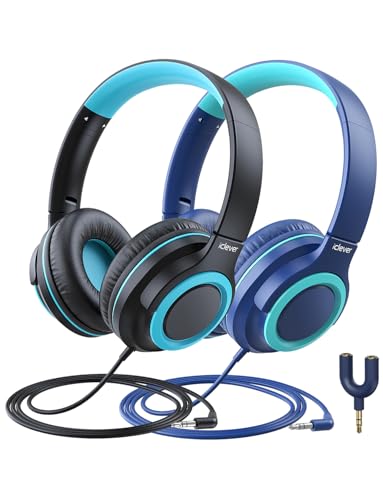
iClever HS22 Wired Kids Headphones, 2 Pack with Splitter
ASIN B0BY28WWFB • $40.84 • Sold by Tribit Direct AU on Amazon AU
This is the wired argument from earlier in product form: two complete 85 dBA-limited headphones and an audio splitter for $41, which lands at about $20 a pair. Nothing here ever needs charging or pairing, because the limiter is passive and the connection is a 3.5mm plug, so both pairs are exactly as ready in year three as on day one. For classrooms it's the format BYOD lists keep specifying, and for households it's the back seat solved: both pairs into one tablet through the splitter, one screen, two listeners, no Bluetooth negotiation and nothing to go flat an hour into a long drive, and no firmware to misbehave at the worst moment.
The build choices are the sensible ones for gear that lives in bags. The cord is nylon-sheathed against tangles and pull damage, which matters because the cable is the part that fails first on every wired headphone ever made, and the ear cups rotate 90 degrees to lie flat for storage instead of folding on a hinge, trading a little bulk for one less joint to crack. The cups themselves are large, soft and designed to stay put, the headband adjusts across a stated range from toddlers up to teens, and 40mm drivers handle the audio underneath the cap. It sits at #38 in On-Ear Headphones, respectable for a wired product in a Bluetooth-obsessed category.
The limits are inherent to the format: no microphone is stated on the listing, so video calls need the device's own mic, and a passive resistor limiter is gentler discipline than a firmware cap, holding the level down rather than clamping it absolutely. The fixed cable, though sheathed, is still the part that will eventually fail. At two pairs for the money, the honest framing is that redundancy is included in the price. When one cable eventually crackles, the second pair keeps the peace while the first visits the bench, which is a luxury none of the single-pair picks can offer.
Honest caveats: No microphone is stated on the listing, so calls rely on the device's mic. Passive limiting scales with the source rather than clamping absolutely, so a powerful source at maximum can run close to the cap. Cables are fixed, not detachable, and cables are always the first failure on wired pairs.
Best for: School BYOD lists, the back seat, and any setting where charging and pairing are failure points.
Volume cap: 85 dBA passive limiter • Connection: Wired 3.5mm, splitter included • Pack: 2 headphones, ~$20 each • Power: None needed, no battery • Cord: Tangle-resistant nylon sheathed • Fit: Adjustable, cups rotate 90 degrees flat • Driver: 40mm • Rank: #38 in On-Ear Headphones (Amazon AU)
View on Amazon AU
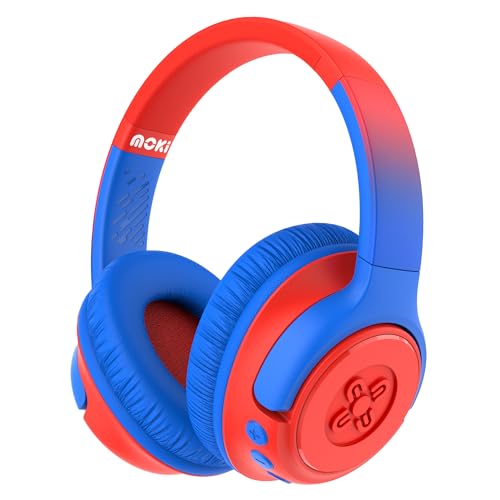
Moki Mixi Kids Volume Limited Wireless Headphones
ASIN B0CL97LG3F • $42.49 • Ships from Amazon AU
Moki is the Australian accessories brand a lot of parents will recognise from school supply lists, and the Mixi is its take on the category: a wireless pair with an on-board control panel, dual wireless and wired operation with the 3.5mm cable included, and an adjustable headband, at $42 on a first-party Amazon AU listing. The local angle is worth real money in this category, because when a warranty claim or a returns question comes up, dealing with an Australian distributor through Amazon AU's own listing is the shortest path this guide offers. It holds #67 in Over-Ear Headphones, the most modest rank here but solid for a local brand against the global marketplace machine.
The number to see clearly is the volume restriction: Moki states 89dB, which sits above the 85 the rest of the category standardised on. It's still a cap, and still far below what unrestricted adult headphones will do, but it's the loosest limit in this guide and I'd rather say so in plain text than let it hide in a specs table. The wireless control panel on the cup means volume, tracks and pairing happen without touching the tablet, which teachers and back seats both appreciate, and the dual-mode design means a flat battery converts it to a working wired pair with the included cable rather than a paperweight until someone finds a charger.
The listing is lighter on detail than the others here, with no battery life, Bluetooth version or driver size stated, which is the trade against the spec-sheet-heavy imports. What it offers instead is the school-gate factors: a brand the school already knows, local support, both connection modes in the box, and colours kids actually pick. For plenty of households that's the right weighting. Specs win arguments online, but the school gate runs on different currency: gear the school recognises, support in the right time zone, and a warranty conversation that doesn't involve a storefront on the other side of the world.
Honest caveats: The stated 89dB restriction is the loosest cap in this guide, a step above the usual 85. The listing states no battery life, Bluetooth version or driver size, so those are unknowns rather than negatives. Two-colour styling is a taste call the end user should probably approve first.
Best for: Households that weight local brand support and dual wired-wireless flexibility over spec sheets.
Volume cap: 89dB restriction stated • Modes: Wireless and wired, dual-use • Cable: 3.5mm included • Controls: On-cup wireless control panel • Fit: Adjustable headband • Listing: First-party Amazon AU • Rank: #67 in Over-Ear Headphones (Amazon AU)
View on Amazon AUSide-by-side comparison
| Product | Price | Best for |
|---|---|---|
| JBL Junior 320 | ~$38 | |
| EarFun K1 Kids Wired Headphones | ~$29.99 | |
| EarFun Kids Bluetooth Headphones | ~$49.99 | |
| Belkin SoundForm Mini Kids Wireless… | ~$34.00 | |
| iClever BTH22 Kids Bluetooth Headphones | ~$36.99 | |
| JBL Jr310 | ~$39.95 | |
| iClever 2Pack Kids Headphones with Sharing… | ~$42.99 | |
| Moki Mixi Kids Volume Limited Wireless… | ~$42.49 |
What we see fail at the bench: kids headphones
Kids headphones arrive at the shop with mechanical injuries, almost never electrical ones. The driver and the limiter are usually fine; it's the plastic skeleton and the connection points that lose the fight with the schoolbag. The pattern is consistent enough that you can buy against it, and consistent enough that a snapped pair is often a fixable pair, which surprises people who assumed anything under $50 is disposable by definition.
Headband and hinge fractures
The headband slider and the folding hinge are the two thinnest load-bearing parts on the whole product, and between them they account for most of the dead pairs we see. The killer isn't wearing them, it's the bag: a pair at the bottom of a schoolbag that gets dropped or sat on takes the load in exactly the places the plastic is thinnest. Cracks start small and grow with each flex, so a pair that's developed a white stress line is on notice. Repairs range from reinforcement and adhesive work to donor parts from a second-hand pair, and rotating-cup designs come in noticeably less often than folding ones.
Charge ports and packs left flat
On the wireless pairs, the USB-C socket cops the same abuse as every child-adjacent connector: plugged blind, at an angle, with the cable then yanked out sideways. A port that only charges when the cable is held just so is the early warning, and caught at that stage it's usually a manageable board repair. The other regular is the pack that was left flat over the summer holidays and now won't take a charge at all. Small lithium packs sit close to the deep-discharge line even when healthy, so a half-charge before any long break is the easiest battery insurance there is, and it costs nothing.
Cables, plugs and the tip left in the tablet
On wired pairs the cable fails at one of two points: the strain relief behind the 3.5mm plug, or the entry into the ear cup, and the symptom is audio that crackles or drops on one side when the cord moves. That's a re-termination job, quick and modestly priced, and with a splitter in the mix, test the splitter first, because they fail the same way and cost less to replace than to diagnose. The more annoying visitor is the sheared plug tip left jammed inside a tablet's socket after a fall, which blocks the port entirely; extraction is fiddly but routine, and much better than digging at it with a needle at home.
Decision tree: which one should you actually buy?
- One pair to cover school, the bus and home? → The iClever BTH22 at $33. The 74/85 dBA dual cap, 60-hour battery and wired fallback make it the most complete single answer in the guide.
- Younger child, first pair, simplest ownership? → The Belkin SoundForm Mini at $32. Known brand, simple controls, and the 10-minute fast charge rescues flat-battery school mornings.
- Two kids sharing one screen in the back seat? → The iClever HS22 two-pack at $41. Both wired pairs plug into one tablet through the included splitter, and nothing ever needs charging.
- Lowest spend without giving up battery life? → The EarFun K2 at $31. A claimed 40 hours and Bluetooth 5.4 at the smallest price here; just mind the 94dB switch stays on its default.
- Want an Australian brand with wired and wireless in one? → The Moki Mixi at $42. Dual-mode with the cable included and local support, noting its cap is a looser 89dB.
- A snapped headband, a crackling cable, or a plug tip stuck in the tablet? → Bring it to our Erina workshop. Most of these are quick mechanical fixes, and we'll tell you before you spend anything whether repair beats replacement.
Frequently asked questions
Do volume-limited headphones really stay under 85dB?
Mostly, with caveats worth knowing. Bluetooth pairs enforce the cap in firmware after the volume control, so they hold their stated limit firmly. Wired pairs use a passive resistor network that scales the signal down rather than clamping it, so a powerful source at maximum volume can land a few decibels either side of the sticker. Some models also carry a switch that raises the cap, like the EarFun K2's 94dB mode, so check which mode a switchable pair is actually in. The cap also only governs the headphones themselves, and it works best paired with sensible session habits rather than instead of them.
Are wired or Bluetooth headphones better for school?
Wired, in most classroom situations. A wired pair is never flat, never needs pairing, and works instantly on any device with a 3.5mm socket, which is why plenty of school BYOD lists still specify wired. The failure mode is the cable, which is also the most fixable fault in consumer audio. Bluetooth earns its place on the bus and at home, where a microphone for calls and no cord to snag are real advantages. Check the child's actual devices first: newer iPads and most current phones have no headphone jack, which means an adaptor, and adaptors get lost.
What age are volume-limited headphones suitable for?
The listings here start around age three, where headband adjustment ranges and cup sizes are designed for small heads, and the format stays sensible until the early teens. The practical limits at each end are fit rather than dates: a pair only does its job if the cups seal properly on the child's actual head, and a bad fit usually means the volume creeps up to compensate for leaking outside noise. At the top end, kids age out socially before the hardware wears out, and the graduation path is adult headphones used with the volume habits the capped pairs established.
Why has one side of the headphones stopped working?
On wired pairs it's nearly always the cable, failing either at the strain relief behind the 3.5mm plug or where the cord enters the ear cup, and the giveaway is crackling or dropout when the cable moves. That's a re-termination repair, quick and inexpensive. If a splitter is involved, test without it first, since splitters fail the same way. On Bluetooth pairs a single dead side is more often internal wiring at the headband hinge, where thousands of folds work the conductors, which is a more involved fix but still diagnosable in minutes in the workshop.
How long do kids headphone batteries actually last?
Per charge, expect the claimed figures to be optimistic but rank-accurate: the 60-hour iClever outlasts the 40-hour EarFun, which outlasts the 30-hour Belkin, and all three cover a school week without drama. Per lifetime, the pack's enemy is deep discharge, not use. A pair left completely flat in a drawer over the holidays is the most common way a working set dies, because small packs drift below their recovery threshold quickly. Charge to roughly half before any long break, use any known-brand USB-C charger, and the pack will generally outlast the plastic around it.
Can kids headphones be repaired, or are they throwaway?
More repairable than the price suggests. Snapped headbands can often be reinforced or rebuilt with donor parts, crackling cables are a standard re-termination, charge ports that only work at an angle are a routine board fix if caught early, and a plug tip sheared off inside a tablet socket can be extracted without harming the device. The repair-versus-replace maths on a $33 pair is tighter than on a $300 one, so the honest answer sometimes is replacement, but that's a conclusion to reach after a two-minute look rather than an assumption to start from.
Related buying guides
When the headband snaps before the term ends
A cracked headband, a cable that crackles on one side, a charge port that needs the cable held just so, or a plug tip sheared off inside the tablet: all of these are quick diagnoses in the workshop. Bring the casualty in to the workshop at Erina and we'll tell you what failed, what the fix costs, and honestly whether this one is worth repairing before you spend a dollar on it.
Visit our Erina workshop Book Online