
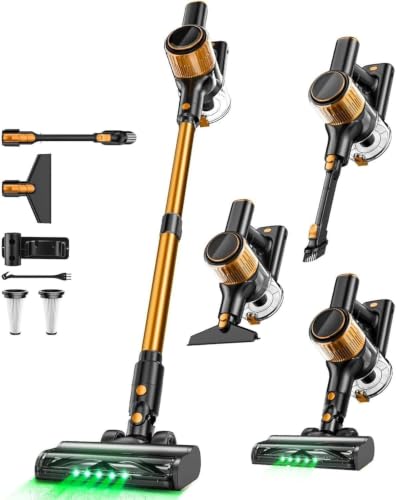
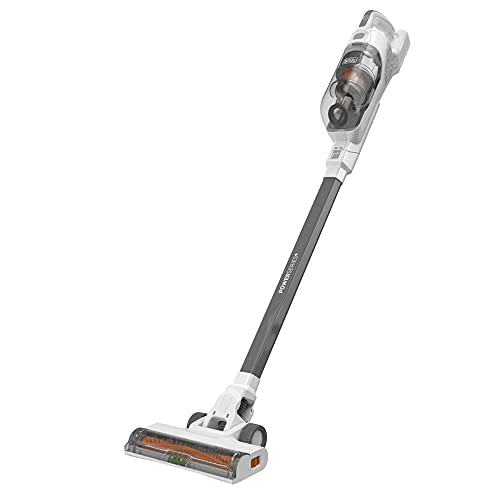
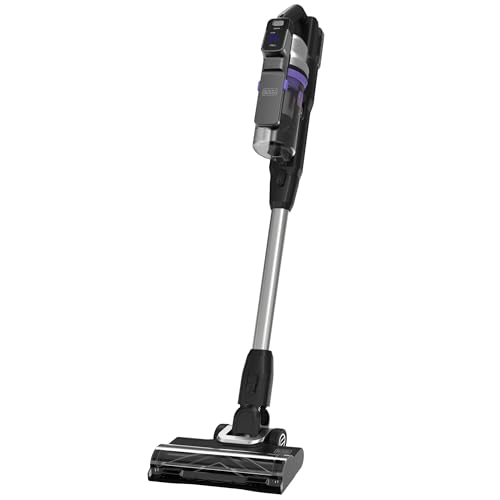
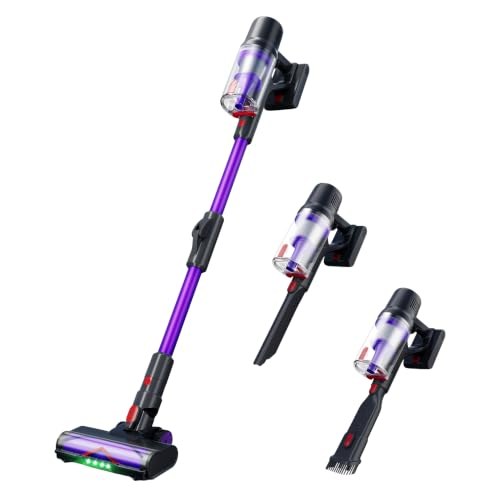
Prices from Amazon AU, updated daily. Swipe or use the arrows for more.
Disclosure: This article contains affiliate links to amazon.com.au. If you buy through one of these links iFix may earn a small commission at no extra cost to you. It doesn't change which products we recommend. We focus on what actually lasts based on 16 years of repair-shop experience.
Quick summary8 picks
- Entry PickBISSELL Featherweight 2024F Lightweight… about$69
- Cordless Vacuum Cleaner about$104.992200mAh, 450W.
- BLACK+DECKER 18V 2-in-1 Powerseries+ Stick Vacuum about$149Floor sensor sets the speed.
- BLACK+DECKER Premier Pet Stick Vacuum about$284
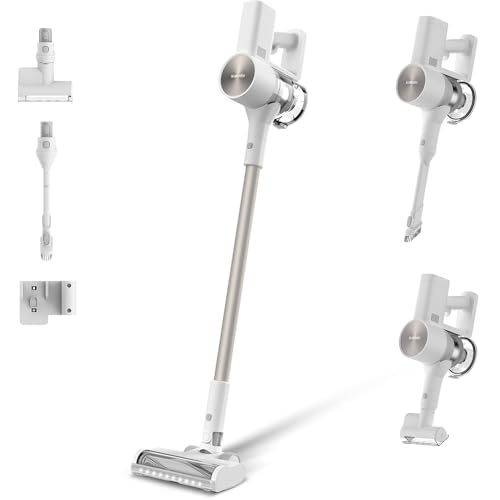
- Most PremiumSIXPAD S80 Cordless Stick Vacuum about$358
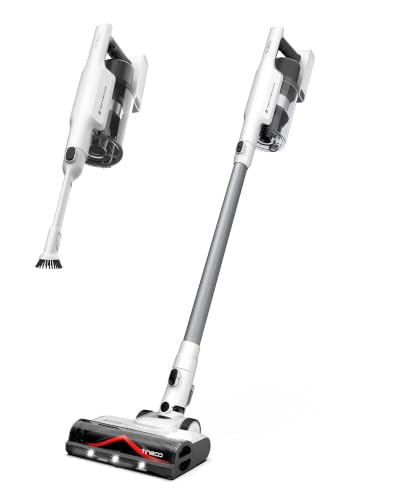
- Tineco Pure One A30S Cordless Stick Vacuum about$219
- Xiaomi G20 Cordless Stick Vacuum about$291.50
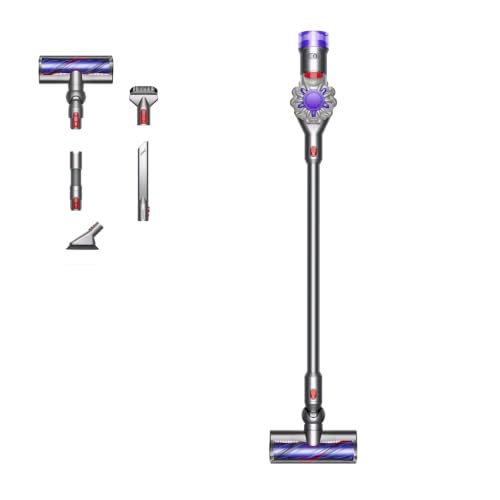
- Dyson V8 Advanced + Car Kit about$349.99
A stick vacuum is a battery pack with a fan on it
Strip the plastic off any cordless stick vacuum and you find the same three things: a lithium-ion battery pack, a small high-speed motor spinning a fan, and a filter stack between the dirt and that motor. That's the whole machine. The corded barrel vacuum your parents owned would run for twenty years because mains power never wears out; the cordless stick that replaced it lives and dies by a battery pack with a service life measured in charge cycles, not decades. Once you see the category that way, the buying decision reorganises itself. The motor will mostly outlast your interest in the machine. The pack won't, and the difference between a stick vacuum that costs you once and one that costs you twice is almost entirely about what happens when that pack fades. The reframing matters in Australia specifically, because we buy these machines at a rate that keeps several of them in the national top hundred sellers, and the classifieds are full of the ones whose packs gave out.
The four picks here run $257 to $358, a BLACK+DECKER, a SIXPAD, a Xiaomi and a Dyson, all sold new on Amazon AU, and every one of them was chosen with the battery question in front of mind. This guide follows the same logic as my robot vacuum picks: identify the consumable, price it, and judge the machine by how gracefully it handles its own ageing. Along the way I'll decode the suction numbers the listings shout about, because the gap between a marketing kilopascal and a real-world one is wide enough to park a ute in, and the specs that actually predict satisfaction are usually printed in smaller type.
Removable packs against sealed sticks
The single most useful line on a stick vacuum listing is the one about the battery being removable, and the BLACK+DECKER Premier Pet in this guide comes at it from the other side: the listing says it runs on the brand's 18V PowerConnect battery, shared with its power tools, so the pack is a standard format rather than a one-off. That matters twice. Day to day a second battery, if you buy one, means you can swap when the first runs flat instead of waiting on a charger. Long term it means that in year three or four, when runtime has faded to half, you are not binning a working motor and paying full price again, because a pack is the part that wears out and a standard-format battery is easier to replace than a sealed one. The listing doesn't say how long a pack lasts, whether a battery and charger are in the box, or which battery sizes fit, so check that before you rely on it.
Sealed designs aren't automatically a trap, but they move the maths. When the pack is built in, replacing it means either a manufacturer service, a repair shop, or a screwdriver session with a pattern pack of uncertain quality, and the value of the machine at year four depends heavily on which of those paths exists in Australia at a sane price. Before you buy anything cordless, look up the replacement battery for that exact model and check two things: that it's purchasable locally today, and what it costs against the whole machine. If the pack is 60 per cent of a new unit, the machine is disposable by design. That test takes five minutes and it sorts this category more honestly than any suction number. The BLACK+DECKER Premier Pet passes it on paper, because its listing says it runs on the 18V PowerConnect battery the brand shares across its tools. The SIXPAD, the Xiaomi and the Dyson V8 are the ones to run the test on before ordering, because their listings say nothing about replacement packs. Check anyway, because model-level availability changes faster than brand reputations do.
Suction numbers: air watts, kilopascals and other creative writing
Suction marketing is where this category earns its reputation for creative numbers. You'll see kilopascal figures on marketplace listings climbing year on year, 30, 40, 55 kPa, measured with the hose sealed dead shut, which is a condition your carpet never provides. Air watts are the more honest unit because they measure suction and airflow together, the actual work being done, and the Xiaomi G20 in this guide quotes 150AW, though as a manufacturer peak. The Dyson V8 listing here quotes no suction figure at all. There's no clean conversion from kPa to air watts, which is precisely why the less rigorous brands prefer kPa. When two listings quote different units, that's not an accident, it's a choice about what survives scrutiny.
The number that matters more than either is whether suction holds as the bin fills. Cyclonic separation exists to spin dust out of the airstream before it reaches the filter, and done well it keeps performance flat until the bin is genuinely full. None of the listings here put a number on it, and some machines lose a large share of their pull once the bin is half full and the filter starts loading up. At the budget end the BLACK+DECKER Powerseries+ listing quotes no suction figure at all, saying only that cyclonic action spins dust away from the filter and a floor sensor sets the speed, so there is nothing to decode but also nothing to compare. Judge sustained performance, not sealed-nozzle peaks. If a listing quotes only a kilopascal number and no airflow figure at all, treat that as a signal about the whole product, because honest engineering departments publish the numbers that survive real use.
Filters: washable does not mean maintenance-free
Every machine here filters the exhaust air before it goes back into the room, and the filter is the second consumable after the pack. Washable filters keep the running cost near zero, but washable gets misread as maintenance-free and it isn't. A filter loaded with fine dust chokes airflow, and on a stick vacuum that airflow is also the motor's cooling. The failure chain I care about runs: blocked filter, hot motor, thermal cutout, and eventually a machine that runs for two minutes and stops, which reads like a dead battery but is actually a $0 fix. Tap the filter out weekly, wash it monthly in season, and let it dry for a full 24 hours before it goes back in, because a damp filter in front of a motor is how you turn dust into concrete. Set a phone reminder for the wash if you have to, because nobody remembers a filter that's out of sight inside the machine until the motor starts complaining.
Sealed filtration is the other half of the story. The SIXPAD quotes only a washable filter and says nothing about sealing, the BLACK+DECKER Premier Pet quotes cyclonic filtration, the Xiaomi G20 a five-stage system trapping particles down to 0.3 microns, and the Dyson V8 lists whole-machine filtration without quoting an efficiency figure. The hardware point matters independent of any wellness pitch: an unsealed vacuum pulls fine dust off your floor and blows a portion of it straight back into the air at head height, which is the same reason a leaky duct defeats the purpose of the machines in my air purifier guide. If the gaskets are good, what goes in the bin stays in the bin.
Brushrolls, hair wrap and the bits that actually jam
Ask anyone with long-haired household members what kills their vacuum and they won't say the battery, they'll say hair. Wrapped hair on a brushroll doesn't just look feral, it works its way past the end caps into the bearings, adds drag the motor has to fight, and on a cordless machine that drag comes straight out of your runtime before it finishes the bearings off. The industry has finally engineered at the problem instead of shipping scissors. The Xiaomi G20 pairs its brush bar with an anti-tangle comb-tooth scraper that its listing says reduces hair entanglement, while the SIXPAD listing says nothing about hair wrap at all.
The BLACK+DECKER Premier Pet lists an anti-tangle beater bar and a powered pet brush, and the Dyson V8 bundle comes with a cleaner head, four tools and a car cleaning kit for car seats and upholstery, though its listing says nothing about hair wrap. None of this makes maintenance optional. Whatever the marketing, flip the head over monthly, clear the end caps, and check the roller spins freely by hand, because a brushroll motor stalling against a hair-packed bearing is a common warranty claim that isn't really a warranty fault. Thirty seconds with the head off keeps the drive train honest, and you'll smell a struggling brushroll motor, hot plastic and ozone, before you see it fail. The same monthly check is when you snip off the fishing line and cotton threads that even the self-cleaning designs can't shed, before they migrate into the end caps.
Runtime claims and how to charge without cooking the pack
Every runtime on a spec sheet is measured in the lowest power mode with no powered head spinning, which is worth knowing before you feel short-changed. The SIXPAD and the BLACK+DECKER Premier Pet both quote up to 55 minutes, the Xiaomi G20 up to 60 with its nozzle tool but 45 with the electric brush bar, and the Dyson V8 quotes 40 minutes of fade-free power in Powerful mode with non-motorised tools. Real-world numbers on max mode with a motorised head on carpet are a fraction of all of these, on any brand, which is fine: max mode exists for the high-traffic hallway, not the whole house. Fade-free matters more than the headline minutes, because older designs slowed down gradually as voltage dropped, while these hold full power and then stop. The habit worth building is matching the mode to the mess as you go, which is the chore the SIXPAD's dust-sensing Auto mode is meant to take off your hands.
How you charge decides how many years those minutes last. Lithium packs age fastest when they're kept at 100 per cent in a hot room, so the worst thing you can do to a stick vacuum is exactly what most people do: dock it in a west-facing garage, permanently on charge, over an Australian summer. If the machine lives on its charger, put the dock somewhere that stays cool. If you use it weekly, charging after each session and unplugging is kinder again. Use the charger that came in the box, too; I've written up what a dodgy charger does to a battery, and the failure modes there apply to every battery in the house, vacuum packs included. Never store the machine flat for months, because a pack below its protection cutoff often refuses to charge at all.
What I'd check before you buy
Run the spares test first: search the exact model number plus battery, then plus filter, and see what comes back from Australian sellers at what price. A machine with a living spares ecosystem is a ten-year proposition; one with nothing available is a contract you're signing with the battery gods. Then think honestly about weight and reach, because a stick vacuum that's heavy at the handle gets used less, and the one spec no listing quotes properly is how your wrist feels holding the thing horizontal to get under a couch. Check the bin size against your floor area, check whether the machine converts to a handheld, which the SIXPAD and the Xiaomi do in some form and the other two listings don't say, and check the wall dock situation if you're renting, because some docks want screws in a wall and some machines just lean. A machine that scores well on all of that but feels wrong in the hand is still the wrong machine, so lift one in a shop if you possibly can before ordering online.
Last, be realistic about what a stick vacuum is for. One of these plus a robot doing the daily patrol is the combination that actually keeps a floor clean; the stick handles edges, stairs, car seats and the spots the robot can't reach. If a machine you already own has died, do the sums before replacing it, because a surprising share of dead sticks that reach our Erina workshop turn out to be a blocked filter, a jammed brushroll or a fixable pack rather than a dead motor. The diagnosis costs a lot less than a new Dyson, and the answer decides whether this page is even relevant to you yet.
The 4 picks, $257 to $358
Prices are Amazon AU at time of writing (18 October 2026) and move week to week. Ranks are Amazon AU category sales ranks, checked the same day.

BLACK+DECKER 18V Power Series Premier Pet Stick Vacuum
ASIN B0GXDTTVNW • $284 • Ships from Amazon AU
The BLACK+DECKER Power Series Premier Pet is the value anchor of this page at $257, sitting at number 953 in Amazon AU's Vacuum Cleaners category at time of writing, and its case rests on the battery: the listing says it runs on a BLACK+DECKER 18V battery from the brand's 18V PowerConnect system, shared with its power tools, home cleaning and outdoor products. That is this guide's battery thesis in a different shape. Instead of a sealed pack you get a standard battery format, so a faded pack is a part you can look up rather than a dead end. The listing quotes up to 55 minutes per charge using a 2.0Ah battery, measured at low speed in hand vacuum mode without an attachment, so plan around less on a carpeted floor.
Beyond the battery the hardware is aimed at pet households. An anti-tangle beater bar is listed to reduce hair wrap, a powered pet brush handles dog and cat hair, LED headlights show hidden dirt, and a display shows state of charge. The bin is a 650mL dust bowl, the machine is self-standing for storage, and cyclonic filtration is listed to keep the filter clean and hold suction performance. The listing quotes no suction figure, so treat that last claim as a claim.
The buyer this suits is a pet household, a renter or a first-time buyer who wants a documented anti-tangle bar and a battery format that isn't a dead end, at the lowest price among the four picks. It's the pick I'd hand anyone replacing a sealed-pack machine that died in year three. Before you order, do the spares test from earlier on the exact battery, because the listing names the PowerConnect system but not which batteries fit.
Honest caveats: The listing doesn't state suction, weight, or whether the 2.0Ah battery and charger are in the box, so check the current listing if those matter to you. The 55 minutes is hand vacuum mode at low speed with no attachment, so floor runtime will be shorter.
Best for: Pet households and first machines that want an anti-tangle bar and a battery shared with the brand's tools, at the lowest price among the four picks.
Battery: BLACK+DECKER 18V PowerConnect system, 2.0Ah quoted • Runtime: Up to 55 min, hand vac mode at low speed • Brush: Anti-tangle beater bar, powered pet brush • Bin: 650mL dust bowl • Filtration: Cyclonic • Extras: LED headlights, charge display, self-standing • Seller: Amazon AU, condition New • Price: $257 at time of writing • Rank: #953 in Vacuum Cleaners (Amazon AU)
View on Amazon AU
SIXPAD S80 Cordless Stick Vacuum, 550W, Dust Sensing
ASIN B0H5VX44CH • $358 • Ships from SIXPAD-AU
The SIXPAD S80 is the set-and-forget pick at $358, number 58 in Amazon AU's Vacuum Cleaners category at time of writing, and its pitch is automation. Built-in dust sensing detects hidden dust and adjusts suction in Auto mode, so you push the same machine from kitchen tiles to lounge-room carpet and let it decide when to work harder. That sounds minor until you've lived with it; in practice the mode button on most vacuums gets set once and never touched, which means half the house gets vacuumed in the wrong mode. A Manual mode is there for when you would rather choose. The listing quotes 45 kPa from a 550W brushless motor, and as with any kilopascal figure I'd treat that as a sealed-nozzle peak and judge the machine on the floor.
The rest of the hardware is practical. A 1.2L bagless dust cup with one-click emptying and a washable filter keeps maintenance to a rinse and a tap over the bin, and the machine converts between stick and handheld for sofas, stairs and car interiors. It stands on its own between jobs. The battery is a 7-cell 2500mAh pack quoted at up to 55 minutes, which is a runtime figure I'd plan around as a mode-dependent best case rather than a promise. The listing says nothing about a hair-wrap brushroll, so for long-haired households the Xiaomi G20's comb-tooth scraper remains the better-documented answer.
This is the pick for the household that wants the vacuum to make its own decisions: mixed flooring, a preference for pressing one button and walking the house end to end. If the choice is between the SIXPAD and the $257 BLACK+DECKER Premier Pet, the $101 gap buys the dust sensing and a 1.2L bin against 650mL, and the BLACK+DECKER answers back with an anti-tangle beater bar and an 18V battery shared with the brand's power tools. Against the $350 Dyson V8 bundle it costs $8 more, but quotes 15 more minutes of runtime and a documented dust-sensing Auto mode, while the Dyson brings whole-machine filtration and a car cleaning kit.
Honest caveats: The listing doesn't state whether the battery is removable, which matters for this guide's whole thesis, so run the spares test from earlier before you order. Weight isn't stated, and the listing describes Auto mode only as dust detection that adjusts suction, so how it behaves on a thick rug is something to check in reviews. It is sold through SIXPAD's own Australian storefront, so confirm the delivery estimate at checkout.
Best for: Mixed-floor homes that want the machine to adjust suction itself instead of juggling modes.
Motor: 550W brushless, 45kPa quoted • Sensing: Dust detection, Auto and Manual modes • Battery: 7-cell 2500mAh, up to 55 min quoted • Bin: 1.2L bagless, one-click emptying • Filter: Washable • Design: Self-standing, stick to handheld • Price: $358 at time of writing • Rank: #58 in Vacuum Cleaners (Amazon AU)
View on Amazon AU
Xiaomi G20 Cordless Stick Vacuum, 430W, Up to 60 Min
ASIN B0GMPTLSYP • $291.50 • Ships from Amazon AU
The Xiaomi G20 is the anti-tangle pick at $343, number 62 in Amazon AU's Upright Vacuums category at time of writing, and it is sold and shipped by Amazon AU. The listing leads with suction: up to 150AW maximum from a brushless motor, which it says is 25 per cent higher than the previous generation, plus 25,000 Pa in high power mode. Treat both as manufacturer peaks. The Dyson V8 listing quotes no suction figure, so there is nothing else on this page to set that 150 against, and I'd want to see how suction holds as the bin fills before trusting it; the G20 listing doesn't say.
The hair hardware is why it sits in this slot. The ground brush bar has an anti-tangle design with a comb-tooth scraper that the listing says reduces hair entanglement, and an LED searchlight at the front shows what the head is missing along a dim hallway. A second, high-speed mini electric brush (1500 rpm) handles mattresses and sofas, and a 2-in-1 brush nozzle covers gaps, corners and high places. The bin is 600mL with a pop-open lid, filtration is a 12-cone cyclone feeding a five-stage system quoted at 99.9 per cent efficiency down to 0.3 microns, and a wall storage mount comes in the box.
Runtime is quoted two ways: up to 60 minutes in energy-saving mode with the 2-in-1 nozzle, or up to 45 minutes with the electric brush bar. That is the honest way to state it and more useful than a single headline figure; plan around the 45. Against the $257 BLACK+DECKER Premier Pet you pay $86 for the stronger quoted suction and a quoted 60 minutes, though the BLACK+DECKER lists a powered pet brush of its own. Against the $350 Dyson V8 bundle you save $7 and get a longer quoted runtime, but give up the Dyson name and its car cleaning kit.
Honest caveats: The listing describes seven built-in battery packs, so treat the battery as sealed unless Xiaomi says otherwise, and run the spares test from earlier before you order. Weight isn't stated. Both suction figures are peaks, and the 45 minutes with the brush bar is the number to plan around, not the 60.
Best for: Households fighting hair on the brush bar that want strong quoted suction and a long quoted runtime.
Suction: 150AW max, 25,000Pa high mode quoted • Motor: 430W brushless • Runtime: Up to 60 min with nozzle, 45 min with brush bar • Brush: Anti-tangle comb-tooth scraper, LED searchlight • Tools: Mini electric brush, 2-in-1 brush nozzle, wall mount • Bin: 600mL • Filtration: 12-cone cyclone, five-stage to 0.3 microns • Price: $343 at time of writing • Rank: #62 in Upright Vacuums (Amazon AU)
View on Amazon AU
Dyson V8 Advanced Cordless Vacuum + Car Cleaning Kit
ASIN B0H8RVMT22 • $349.99 • Ships from Amazon AU
The Dyson V8 Advanced bundle is the brand-name pick at $350, number 2 in Amazon AU's Automotive Cleaning Kits category at time of writing, because the listing pairs the machine with a car cleaning kit. It is not the runtime pick: the listing quotes up to 40 minutes of fade-free power in Powerful mode with non-motorised tools, the shortest figure on this page, and it quotes no suction number to compare. What it offers instead is the Dyson name, whole-machine filtration and a bin that is emptied without reaching in.
The listing describes hygienic point-and-shoot bin emptying, which matters in a dusty or pet household because emptying is the moment dust gets airborne. It also says the machine includes one cleaner head and four tools, and the title adds a car cleaning kit. The listing doesn't itemise what is in that kit or which tools are the four, so check the current listing if a particular attachment decides it for you.
It suits a smaller home or flat where 40 minutes covers the floor, and anyone who wants one machine for the car as well as the house. Against the $358 SIXPAD and the $343 Xiaomi it gives up quoted runtime, and unlike the SIXPAD it has no documented auto mode, so the extra cost over the less costly picks is the brand and the bundle rather than the numbers.
Honest caveats: The 40-minute figure is for non-motorised tools, so expect less with a motorised head spinning on carpet. The listing doesn't state suction, weight or bin volume, and it doesn't say whether the battery is user-removable, so run the spares test from earlier before you order. The contents of the car cleaning kit aren't itemised.
Best for: Smaller homes and car owners who want a Dyson with a car cleaning kit in the box.
Runtime: Up to 40 min fade-free, Powerful mode with non-motorised tools • Filtration: Whole-machine • Bin: Hygienic point-and-shoot emptying • Tools: 1 cleaner head and 4 tools • Bundle: Car cleaning kit • Seller: Amazon AU, condition New • Price: $350 at time of writing • Rank: #2 in Automotive Cleaning Kits (Amazon AU)
View on Amazon AUSide-by-side comparison
| Product | Price | Best for |
|---|---|---|
| BISSELL Featherweight 2024F Lightweight… | ~$69 | Small homes that can live with a cord |
| Cordless Vacuum Cleaner | ~$104.99 | Budget cordless with a swappable battery |
| BLACK+DECKER 18V 2-in-1 Powerseries+ Stick Vacuum | ~$149 | Mixed hard floors and carpet on a budget |
| BLACK+DECKER Premier Pet Stick Vacuum | ~$284 | Pet homes and first machines on a standard 18V battery |
| SIXPAD S80 Cordless Stick Vacuum | ~$358 | Mixed floors with automatic dust sensing |
| Tineco Pure One A30S Cordless Stick Vacuum | ~$219 | Whole-house runs: up to 60 min quoted and a 1L bin |
| Xiaomi G20 Cordless Stick Vacuum | ~$291.50 | Pet and long-hair homes that want strong suction and an anti-tangle brush bar |
| Dyson V8 Advanced + Car Kit | ~$349.99 | Smaller homes and car owners who want a Dyson with a car kit |
What we see fail in the workshop: stick vacuums
Stick vacuums come through the workshop in a steady trickle, usually described as dead, and the interesting part is how rarely the diagnosis matches the description. The motor, the expensive bit everyone assumes has failed, is usually fine. What actually gives out sits in a short and predictable list: the pack, the airway, and the small mechanical parts that get cycled a thousand times a year. All three announce themselves early if you know the signs.
The runtime cliff: packs failing one cell at a time
A lithium pack is a chain of cells in series, and it ages like a chain: one weak link sets the limit. As the weakest cell sags under load, the protection circuit cuts the whole pack to protect it, which produces the classic symptom of a vacuum that runs on hard floor but dies seconds after the brushroll hits carpet and the current draw jumps. People read that as a motor fault. It's the pack, and on machines with removable batteries it's a two-minute fix. On sealed machines it's a teardown, which is why this guide goes on about removable packs the way it does.
Blocked airways impersonating dead motors
A vacuum that starts, screams at a higher pitch than usual, then thermally cuts out isn't dying, it's suffocating. Fine dust packs into filters, wand joints and the gap behind the bin seal, airflow collapses, and the same air that carries the dirt is also the only cooling the motor gets. The pitch rises because the fan is spinning against a vacuum instead of moving air. Wash the filters, strip the wand, clear the bin inlet, and nine times out of ten the machine comes back from the dead for the cost of a sink of water and a day of drying time.
Triggers, switches and charge sockets
The small electromechanical parts do more cycles than anything else on the machine. Trigger-style controls get squeezed thousands of times a season and their switches wear to intermittent, push buttons fare better, and charge sockets accumulate strain from every docking, especially on machines that get slammed onto wall mounts. The tell for a failing switch or socket is behaviour that changes when you wiggle something: cuts out when the wand flexes, charges only at an angle. Those faults are all repairable at component level, and catching them early stops the arcing that turns a $5 switch into a burnt PCB.
Decision tree: which one should you actually buy?
- First stick vacuum, or replacing one that died with a sealed battery? → The BLACK+DECKER Premier Pet. It runs on the 18V PowerConnect battery the brand shares across its tools, so a spare is a known part, but run the spares test on the exact battery before you order.
- Mixed floorboards and carpet, and you don't want to think about modes? → The SIXPAD S80 at $358. Its dust sensing adjusts suction in Auto mode, so one button covers the whole house.
- Pets or long hair, and you want strong suction on a firm budget? → The Xiaomi G20. 150AW quoted, an anti-tangle brush bar with a comb-tooth scraper, and a mini electric brush for mattresses and sofas.
- Want a Dyson, and a vacuum that covers the car as well as the house? → The Dyson V8 Advanced bundle at $350: 40 minutes fade-free quoted, whole-machine filtration, a cleaner head with four tools and a car cleaning kit.
- Long hair constantly killing your brushrolls? → The Xiaomi G20's comb-tooth scraper is the best-documented answer on this page, and the BLACK+DECKER Premier Pet lists an anti-tangle beater bar if the budget is tighter.
- Vacuum cutting out, screaming or refusing to charge? → Diagnose before you replace, because most dead sticks are a blocked filter, a jammed brushroll or a fixable pack. Bring it in to the Erina workshop and we'll tell you what it actually needs before you spend anything.
Frequently asked questions
How long do stick vacuum batteries actually last?
Expect two to five years of useful life depending on how the pack is treated, not how much you paid. Charge cycles are the currency: a weekly-vacuum household might do 50 cycles a year, a daily-run household with pets several times that. Heat is the accelerant, so a machine docked at full charge in a hot garage ages fastest of all. The practical signs of a fading pack are shorter runtime and a machine that cuts out under load on carpet while still running on hard floors. On a removable-pack machine that's a purchase; on a sealed machine it's a repair job, which is worth knowing on day one rather than in year four.
Are the suction numbers on vacuum listings real?
The measurements are usually real; the conditions are the fiction. Kilopascal figures are taken with the inlet sealed shut, maximum pressure at zero airflow, which is a state that never occurs while cleaning a floor. Air watts are more useful because they combine pressure and airflow into actual work done, and it's telling that the brands most confident in their engineering quote them. More useful still is whether suction holds as the bin fills and the filter loads, which is what cyclonic separation is for. A machine holding 100 real air watts with a half-full bin beats one that hit 55 kPa in a lab with the hose blocked.
Why does my vacuum cut out on carpet but run fine on hard floors?
That pattern is the signature of a tired battery pack, not a broken vacuum. Carpet makes the brushroll motor work harder, current draw jumps, and the weakest cell in the pack sags below its cutoff voltage, so the protection circuit shuts everything down to protect the cells. On hard floors the load is lighter, the voltage holds, and the machine seems fine. You can confirm it by running boost mode on any surface, which usually triggers the same cutout. The fix is a replacement pack, which is a two-minute job on machines with removable batteries and a workshop job on sealed ones.
Should I leave my stick vacuum on the charger all the time?
It's designed to cope, but coping and thriving aren't the same thing. Lithium cells held at full charge age faster, and heat multiplies the effect, so permanent docking in a hot spot is the worst combination going. If you want the always-ready convenience, dock it somewhere cool and it's a fair trade. If you vacuum weekly, charging after each use and then unplugging is kinder to the pack. The one thing to avoid outright is months of storage with the pack flat, because lithium packs self-discharge, and one that drifts below its protection cutoff will often refuse to take a charge at all afterwards.
How often should I wash the filters?
Tap them out over the bin weekly if the machine gets regular use, and wash them monthly in cold water without detergent, more often with pets or carpet everywhere. The step people skip is drying: a washed filter needs a full 24 hours air-drying, and refitting it damp packs the fibres with paste the first time it meets dust. A blocked filter costs suction first, then cooling, because the dirty air path is also how the motor sheds heat, and chronic overheating shortens motor life even when the thermal cutout saves it each time. Washable filters cost nothing to maintain, which is exactly why they get forgotten.
Is a stick vacuum enough as the only vacuum in the house?
For most apartments and small to medium homes, yes, and the four machines here are all capable of being the only vacuum in the house. The honest limits are runtime and bin size in a large fully-carpeted home, where a 40-minute machine may need a mid-clean recharge, and deep-pile carpet, where a plug-in machine with a bigger head motor still wins on sheer grunt. The combination I recommend most is a robot vacuum doing the daily patrol with a stick handling edges, stairs and furniture, because the robot keeps the baseline down and the stick never faces a week of accumulated load.
Related buying guides
Dead stick vacuum? It's probably not the motor
Most stick vacuums written off as dead are running a blocked filter, a hair-seized brushroll or a battery pack with one tired cell, and every one of those is fixable for less than a new machine. Bring it in to Erina and we'll test the pack under load, check the airway and the switches, and tell you straight whether it's worth fixing before you spend anything.
Visit our Erina workshop Book Online