Prices from Amazon AU, updated daily. Swipe or use the arrows for more.
Disclosure: This article contains affiliate links to amazon.com.au. If you buy through one of these links iFix may earn a small commission at no extra cost to you. It doesn't change which products we recommend. We focus on what actually lasts based on 16 years of repair-shop experience.
Quick summary9 picks
- CheapestTOJUNE 6 in 1 Vacuum Sealer Automatic… about$49.89
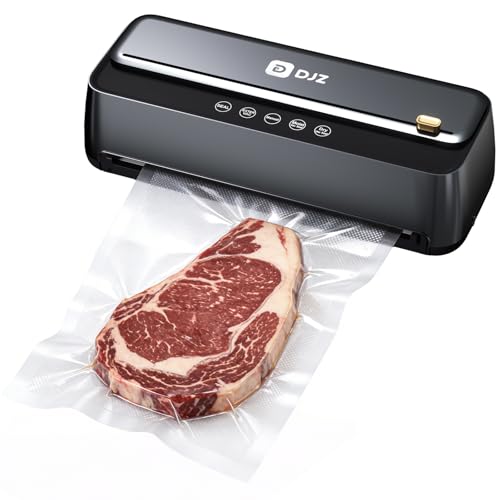
- DJZ Food Vacuum Sealer Machine about$59.99145W.
- Astraio 6-in-1 Vacuum Sealer with 30 Bags about$59.99Wet and dry modes, 30 bags included, Fits a drawer.
- Wevac 28cmx45m Food Vacuum Seal Roll Keeper… about$64.6211" screen.
- Vacuum Sealer Machine about$109.99120W.
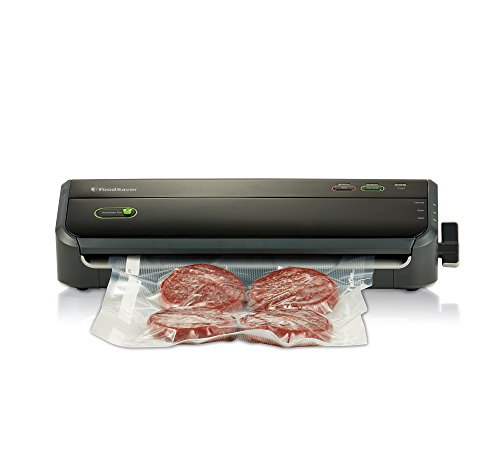
- FoodSaver VS4500 Lock and Seal Vacuum Sealer about$118.95
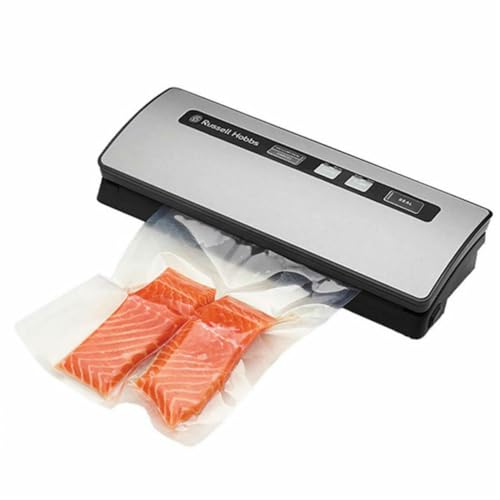
- Russell Hobbs RHVS1 Seal Fresh Vacuum Sealer about$119.20
- Food Vacuum Sealer Automatic Sealing… about$129.99
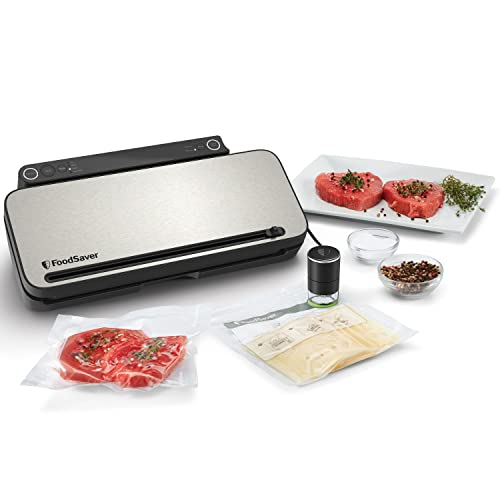
- Most PremiumFoodSaver VS3198 Controlled Multi Seal… about$228.00
Why a bag machine suddenly makes sense
A vacuum sealer is a strange thing to get excited about, and for years I didn't. What changed is the arithmetic around it. With the grocery basket running roughly 31 per cent above 2019 levels, the households doing best are the ones buying meat when it's marked down, buying in bulk when the unit price is right, and pushing the surplus into the freezer. The freezer is where that plan usually dies. Air is what wrecks frozen food, drying the surface into those grey leathery patches, and an ordinary zip bag holds plenty of air. A sealer takes the air out of the equation, which is the entire product in one sentence.
The same logic covers the garden and the growing number of people cooking in bulk on purpose. If you're running batch cooks out of a big pot, and I covered that workflow in the pressure and slow cooker guide, a sealer is the other half of the system: portions sealed flat stack like books, thaw in minutes under a tap, and don't come out tasting like the freezer. It's also the tech behind sous vide cooking, so one machine does two jobs if that interests you.
The five picks below run $60 to $142 and include one deliberate oddity: a 45 metre roll of bags. That's not padding. The machine is a one-off cost and the bags are forever, and I'd rather you priced both on day one than found out about the second one at the checkout every month. It's the same trap I keep pointing at with printers and air purifiers, where the box is the deposit and the consumable is the repayment schedule, just gentler here because at least the bags can be bought from anyone. Get the roll maths right and the whole system costs less to run than most people's cling wrap habit.
Suction sealers versus chamber machines
Every machine in this guide is an external suction sealer: you lay the open end of a textured bag across a gasket, the pump pulls the air out through embossed channels in the bag, and a heated wire welds the plastic shut. This is the design every home unit uses, and it's worth knowing its limits before the marketing tells you otherwise. The other design, the chamber sealer you've seen at a butcher, puts the whole bag inside a box and evacuates the box, which handles liquids effortlessly and runs on lower-cost smooth bags. Chamber machines also start north of $700 and weigh as much as a microwave, which is why none are here.
The kPa figures on suction sealer listings, 85 and 95 on the two Homiloggo units, describe the vacuum the pump can pull. More is generally better, and you can feel the difference on a dense cut of meat, but I'd treat the numbers as stated claims rather than lab results, and I'd weight seal quality more heavily than suction anyway. A bag at slightly lower vacuum with a wide, even weld beats a hard-sucked bag whose seal has a wrinkle in it, because the wrinkled one is at freezer pressure within a week.
What suction sealers ask of you is technique on anything wet, and a particular bag construction, which brings us to the part of this purchase nobody prices properly.
Bags are the real running cost
A suction sealer only works with embossed bags, the ones with the dimpled texture, because the channels are what let air flow out from the far end of the bag while the mouth is clamped shut. Smooth bags seal fine and vacuum never. That texture is also why the bags cost real money, and the bag spend is where this product category quietly earns its keep or doesn't. Price the machine over five years and it's cents a week. Price the bags for a family sealing ten portions a week and you're looking at a genuine running cost, which is why I've put a roll on the picks list next to the machines.
The arithmetic favours rolls over pre-cut bags by a wide margin. The Wevac roll below is 28cm wide by 45 metres for $64.62, which lands near $1.44 a metre. Cut a 30cm bag and you've spent about 43 cents, with a couple of cents' allowance for the extra length you leave to reseal the bag after opening it. Pre-cut branded bags typically cost noticeably more per bag for the convenience of a factory seal on one end, and the convenience is worth about ten seconds. Rolls also let you match the bag to the food instead of folding a too-long bag around a chop.
Compatibility runs across brands. The embossed-channel design is common to the whole category, and the Wevac listing states it works with all suction heat sealers. In practice any embossed roll of the right width runs through any of the four machines here, so you're never locked into one brand's consumables the way you are with a printer. Buy the machine on its merits and the bags on price per metre, separately.
Moist food is what kills pumps
The fastest way to shorten a sealer's life is to vacuum liquid into it. The pump pulls air through the bag's channels, and it'll pull marinade, meat juice or soup exactly the same way, straight into the pump head where it corrodes valves and gums the works. Every machine here ships some defence: moist modes that run the pump gentler and the seal hotter, pulse buttons that let you stop short of dragging liquid up the bag, and removable drip trays for what gets caught at the gasket. Use them. The dead sealers I've opened mostly died of soup.
For anything properly wet, the trick costs nothing: freeze first, seal second. Pour the stew or curry into a container or a folded-over bag, freeze it solid, then vacuum seal the frozen block. The pump sees no liquid, the bag packs dead flat, and flat blocks stack and thaw better anyway. Batch cooks coming out of a slow cooker get exactly this treatment at my place, and the frozen portions go straight from bag to air fryer or saucepan on the other end.
Two of the picks add hardware for wet-adjacent jobs. The $99.99 Homiloggo includes an external hose for vacuum canisters and a marinate mode, and its dearer sibling runs dry, moist and extra moist settings with two suction strengths. That's genuinely useful range, provided you remember the modes exist, and the extra moist setting in particular is the difference between sealing a thawed roast successfully and feeding its juices to the pump. The default dry cycle on full power is the one that eats pumps, and it's also the mode every machine wakes up in, which tells you something about how these end up on my bench.
What the sealer actually saves, honestly
I'll make the honest case rather than the brochure one. A sealer saves you money in exactly two situations: when it stops food being thrown out, and when it lets you buy at better unit prices than you otherwise would. Freezer burn is the first one. Meat that's spent three months in a leaky bag comes out grey at the edges and gets binned or fed to the dog, and every kilo binned is the full retail price lost. A sealed bag with the air gone simply doesn't do that on any timescale a household freezer works to. The listings claim storage life multiples, three to six times on the Wevac roll, up to eight on others, and while I'd treat the exact figures as marketing, the direction is right.
The second saving needs a habit change to show up. Markdowns on meat near its best-before date, bulk packs, a half lamb from a farm gate: these only pay if the surplus survives storage, and that's precisely what the machine buys you. If your shopping doesn't change, the sealer is a $100 gadget that flattens sandwiches. I made the same point about measurement in our smart home budget write-up: the hardware never saves money by itself, the changed behaviour does, and the hardware just makes the behaviour possible.
There's a third use that's pure convenience: sealed bags are the input format for sous vide cooking, and both the Russell Hobbs and the bag roll call this out on their listings. If a water bath is anywhere in your future, the sealer stops being a single-purpose machine and the value maths gets easier again.
Duty cycle and the specs that actually matter
Sealer listings lead with suction numbers, but the component that sets the machine's working rhythm is the seal bar: a nichrome wire under a teflon strip that heats to welding temperature for each cycle. It needs seconds to cool between seals, and on a big batch day that pause is the difference between a pleasant hour and a frustrating one. The stated cycle times here run 6 to 18 seconds on the Homiloggo units (the Astraio doesn't state one), which is the vacuum-and-seal cycle, not the recovery time. Expect to feed bags at a relaxed pace, and expect the machine to enjoy a breather every dozen seals or so.
Seal width is the spec I'd actually shop on. The $142.49 Homiloggo states a 6mm heating strip and an optional second seal pass, and a wide or doubled weld is real insurance: most failed bags fail at the seal, usually because a fleck of fat or a wrinkle crossed the weld line. A double seal turns that from a re-do into a non-event. A built-in cutter and roll storage, which both Homiloggo units here have, sounds like fluff and isn't, because a straight cut makes a clean seal easier.
The rest of the spec sheet matters less than the listings suggest. Wattage figures, 120W and 125W where stated, tell you little about seal quality. Displays and countdowns are pleasant. What you're really buying is a pump, a gasket, a wire and the habits of the person driving them.
How to make one last
Three habits cover most of it. First, store the machine with the lid unlatched: the foam gaskets that make the vacuum chamber take a compression set if they're clamped for months, and a flattened gasket means a machine that hums forever and never pulls vacuum. Second, let the seal bar rest on long runs, because a strip that's run hot too long cooks its own teflon cover, and after that every bag sticks and tears. Third, keep liquid out of the pump with the freeze-first trick, the moist mode and the drip tray, and empty that tray before it overflows into the works.
When one does misbehave, the faults sort neatly. Hums but won't vacuum: gasket seated badly, lid latch worn, or the bag's texture facing the wrong way, all checkable in a minute. Vacuums but won't seal: the strip or its wire, which is an inexpensive serviceable part on most designs. Seals but bags lose vacuum in the freezer: your seal line crossed a wrinkle or a smear, so wipe the bag mouth and re-do it. Genuinely dead: usually the thermal cutout or a cooked transformer, and that's a bench diagnosis rather than a bin decision.
We see these on the counter at the workshop in Erina more than you'd expect, usually a machine two failed batches away from being replaced for the cost of a gasket kit. Five minutes with a meter settles it, and I'd rather sell you that five minutes than watch a working pump go to landfill.
The 5 picks, $60 to $142
Prices are Amazon AU at time of writing (8 September 2026) and move week to week. Ranks are Amazon AU category sales ranks, checked the same day.

Astraio 6-in-1 Vacuum Sealer with 30 Bags
ASIN B0DWF73WWD • $59.99 • Ships from Astraio-AU
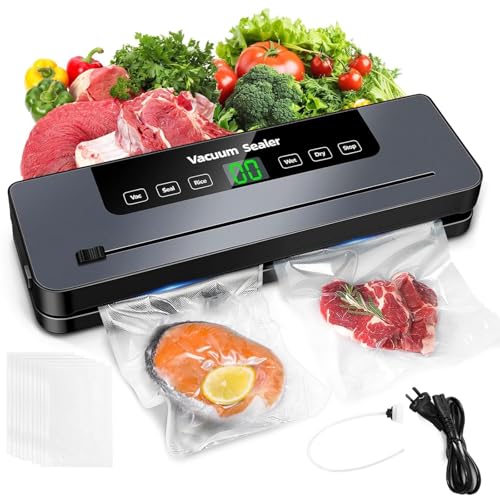
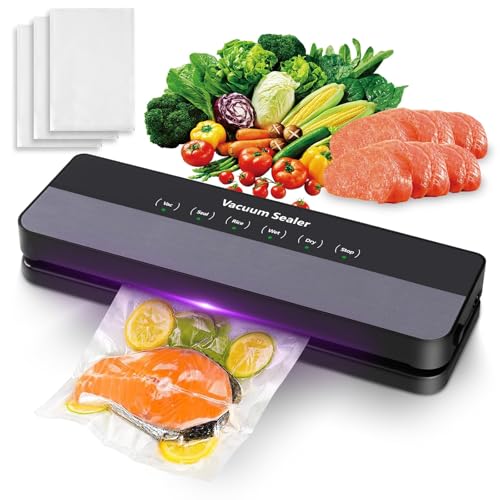
This is the machine for finding out whether vacuum sealing sticks as a habit at your place, and at $59.99 it's the lowest-risk way in on this list. It's sold by Astraio-AU on Amazon AU rather than shipped by Amazon itself, which is worth knowing before you order. The listing calls it 6-in-1, and in practice that means six buttons: Vacuum, Seal, Rice, Wet, Dry and Stop. Wet and dry are the two food modes that matter, and the listing says to pick the one that suits what's going in the bag. I can't tell you what the Rice button does, because the listing doesn't say, and I'd rather leave it there than guess.
What makes it a sensible first buy is the box: the machine, 30 vacuum sealer bags, a power cord and a manual. Thirty bags is enough to learn on before you commit to a roll, and the listing's claim of up to eight times longer freshness is the usual category marketing: I'd not hold it to the number, but sealed food outlasting bagged food isn't in dispute. It's also compact. The listing gives 14.5 x 5.1 x 2.3 inches (roughly 37 x 13 x 6 cm) and 1.76 pounds (about 0.8 kg), says it fits in cabinets and drawers, and describes a separated design with touch-screen buttons that make it easy to clean. A sealer that lives in a drawer gets used more often than one that takes up counter space.
The compromises are what the listing leaves out. It doesn't state a suction figure or a cycle time, it doesn't mention a built-in cutter or roll storage, and it says nothing about seal width, so plan on scissors and a drawer for the roll. None of that stops it sealing a bag. It means you can't compare it spec for spec with the Homiloggo units, which is part of why it sits at the entry end. Keep soup out of it, use the Wet mode for anything juicy, and it should cover a normal household's sealing. If you outgrow it, the habit it proved has already paid for the upgrade, and it'll keep working as the spare.
Honest caveats: No suction figure, cycle time, cutter or roll storage is stated on the listing. Support is the seller's own: a 1-year replacement warranty and a 60-day refund policy, with the listing asking you to email after-sales first. Thirty bags won't last a month of real use, so budget a roll from day one.
Best for: First-time sealers who want the habit proven before spending further, and drawers rather than benches.
Stated suction: Not stated on the listing • Buttons: Vacuum, seal, wet, dry, stop, plus Rice (6 in total) • Cycle time: Not stated • Cutter: Not stated on the listing • In the box: 30 bags, power cord, manual • Size: 14.5 x 5.1 x 2.3 in (about 37 x 13 x 6 cm), 1.76 lb • Warranty: 1 year replacement (stated) • Sold by: Astraio-AU on Amazon AU • Price: $59.99 at time of writing • Rank: #1,105 in Small Kitchen Appliances (Amazon AU)
View on Amazon AU
Homiloggo 85kPa Vacuum Sealer, 120W, Cutter and Canister Hose
ASIN B0DPHCCPBP • $99.99 • Sold by HGX-AU on Amazon AU
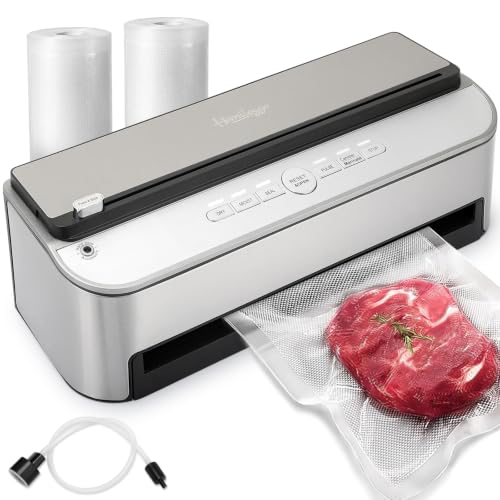
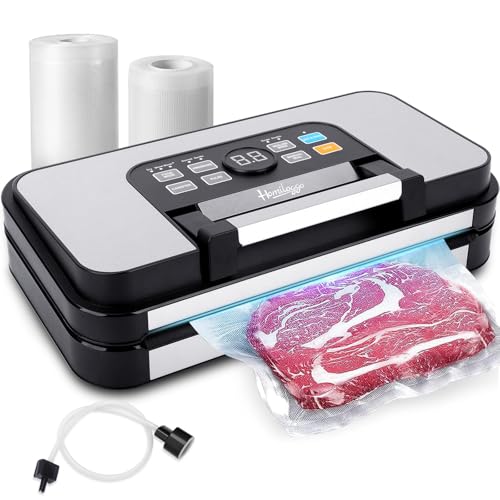
This is the pick if you want the whole system in one carton. For $99.99 you get the sealer, two 28cm by 3 metre rolls, five pre-cut bags, an air suction hose for canisters and jars, a built-in cutter, and internal storage that keeps the working roll inside the machine. That last feature sounds minor and changes daily use completely: the bag supply lives where the sealing happens, you cut to length against the built-in blade, and the whole operation happens standing in one spot. The stated 85kPa from a 120W pump cycles in 6 to 18 seconds, and the removable drip tray catches what the gasket collects before it reaches anywhere expensive.
The seven-mode panel covers the useful ground: dry and moist vacuum-and-seal, seal-only, pulse for manual control, a lid-release button, a stop key, and a canister and marinate mode that drives the included hose. The hose is the sleeper feature of the whole group. Vacuum canisters and compatible jars handle the things bags are wrong for, biscuits that would crush, leftovers you'll open tomorrow, a marinade you want pulled into meat in twenty minutes rather than overnight, and most machines at this price leave the port off entirely. The listing states the heat strips work with other brands' bags, which matches the category: any embossed roll of the right width feeds it.
Homiloggo is a marketplace brand sold through an AU storefront rather than a household name, and I weight that honestly in the caveats below. What the hardware offers at the price is a stronger feature list than the Russell Hobbs next on this list, and the stated one year warranty is the standard for the segment, no better and no worse. My read: if the canister hose, the roll storage and the marinate mode are things you'll genuinely use, this is the best value of the group. If they'd sit in the box, the plainer machines either side of it are the smarter buys. Either way the included rolls get you started the same afternoon it arrives.
Honest caveats: Marketplace brand through an AU storefront, so long-term spare parts are a gamble in a way Russell Hobbs parts aren't. The included rolls total 6 metres, a few weeks of real use. Canister mode needs canisters, which aren't included and are an extra spend.
Best for: Households that want rolls, cutter, storage and a canister hose sorted in one box, and will actually use the extras.
Stated suction: 85kPa, 120W pump • Modes: 7-in-1 incl. canister/marinate and pulse • Cycle time: 6 to 18 seconds (stated) • Storage: Internal roll storage with cutter • In the box: 2 rolls (28cm x 3m), 5 bags, suction hose • Drip tray: Removable • Warranty: 1 year (stated) • Price: $99.99 at time of writing • Rank: #286 in Small Kitchen Appliances (Amazon AU)
View on Amazon AU
Russell Hobbs RHVS1 Seal Fresh Vacuum Sealer
ASIN B077JV26FH • $119.20 • Ships from Amazon AU
The RHVS1 is the top-ranked machine in this guide, sitting at #196 in Amazon AU's entire Small Kitchen Appliances category at $119.20, and the ranking mostly reflects what it is: the safe, known-brand answer in a category full of names you've never heard of. Operation is genuinely one-touch, press vacuum-and-seal and walk away, with a food type selector that adjusts sealing time for dry or moist loads. Two 28cm by 3 metre rolls come in the box, and the listing makes the sous vide case directly: marinate in the bag, seal, and into the water bath. It's the machine I'd hand my mum, and I don't mean that as faint praise.
What the Russell Hobbs badge buys you over the Homiloggo pair is boring and valuable: a brand with an Australian support operation, consistent parts availability, and a design that's been in the local market long enough to have a track record. The spec sheet is plainer, no canister hose, no internal roll storage, no cutter, and the listing quotes no kPa figure at all, which I half admire. What I can tell you is the category rank, which is earned a sale at a time against machines with bigger printed numbers, and that the simple two-decision interface, food type then go, is the one least likely to be used wrong. Machines get killed by wrong modes more often than by weak pumps.
The honest comparison: on paper the $99.99 Homiloggo does more, and on bag-by-bag results you're unlikely to spot a difference between them. You're paying about $20 extra for the badge, the support network behind it, and an interface with nothing to misunderstand. I'd also expect the Russell Hobbs to be the easier machine to get parts and answers for in five years' time, which is exactly the horizon a sealer should be bought on. For a set-and-forget household appliance that other family members will use unsupervised, that's a defensible $20, and the sales rank says plenty of buyers agree.
Honest caveats: No suction figure stated on the listing, so I won't invent one. No cutter, no roll storage, no canister port: scissors and a drawer fill the gaps. The 6 metres of included roll runs out fast, so pair it with the Wevac roll below at purchase time.
Best for: Buyers who want the known brand, the simplest possible operation and local support, over feature-count.
Operation: One-touch automatic vacuum and seal • Food select: Dry or moist sealing time • Sous vide: Compatible, per listing • In the box: 2 rolls (28cm x 3m) • Suction: Not stated on the listing • Brand support: Australian Russell Hobbs network • Price: $119.20 at time of writing • Rank: #196 in Small Kitchen Appliances (Amazon AU)
View on Amazon AU
Homiloggo 95kPa Double Pump Vacuum Sealer, 10-in-1
ASIN B0DPHJ1BCJ • $142.49 • Sold by HGX-AU on Amazon AU
This is the machine for households where sealing is a weekly production line rather than an occasional job. The stated 95kPa from a double pump at 125W is the strongest vacuum on this page, cycling in a stated 8 to 18 seconds, and you feel the extra pull on dense loads: a rolled roast or a stacked pile of chops packs down hard and stays that way. The 10-in-1 mode set splits vacuum into dry, moist and extra moist with normal and gentle suction strengths plus a manual pulse, which is real range for awkward food rather than menu padding. A patented easy-lock handle closes the lid one-handed, and at $142.49 it's the dearest machine here by $23.
The seal is the better half of the story. The listing states a widened 6mm heating strip with a four-layer wire and an optional double heat seal pass, and that addresses the way bags actually fail, which is almost always at the weld, not the plastic. A doubled 6mm seal across a wiped bag mouth is about as close to a chamber-machine weld as suction sealers get. Around it sit the quality-of-life pieces: built-in roll storage and cutter, a countdown display so you know where the cycle is, a stainless working surface that wipes clean, and a removable drip tray. The upgraded gasket is stated as long-life without replacement, a claim I'd file as optimistic but directionally fair.
Same brand caveat as its sibling: Homiloggo is a marketplace name through an AU storefront, and the warranty is the segment-standard year, so you're trusting the hardware rather than the badge. What you're buying over the $99.99 unit is the double pump, the double seal and the extra moist handling, and those are exactly the parts that matter once sealing becomes a weekly production line. The countdown display earns its place on long sessions too, because knowing where the cycle is stops people lifting the lid early. For occasional users it's overkill. For the household putting a side of beef away, it's the right tool.
Honest caveats: Marketplace brand, one year stated warranty, and no included canister hose despite the price. The double seal pass slows the cycle when engaged, and 95kPa on delicate food will crush it unless you remember the gentle mode exists. Overkill for occasional use.
Best for: Weekly bulk sealers and big-batch cooks who want the hardest vacuum and the most failure-resistant weld here.
Stated suction: 95kPa double pump, 125W • Modes: 10-in-1: dry/moist/extra moist, 2 strengths, pulse • Seal: 6mm strip, optional double heat seal • Cycle time: 8 to 18 seconds (stated) • Storage: Built-in roll storage and cutter • Display: Countdown with progress • Surface: Stainless steel, removable drip tray • Price: $142.49 at time of writing • Rank: #214 in Small Kitchen Appliances (Amazon AU)
View on Amazon AU
Wevac 28cm x 45m Vacuum Seal Roll with Cutter Box
ASIN B096MBL1GJ • $64.62 • Sold by WEVAC-AU on Amazon AU
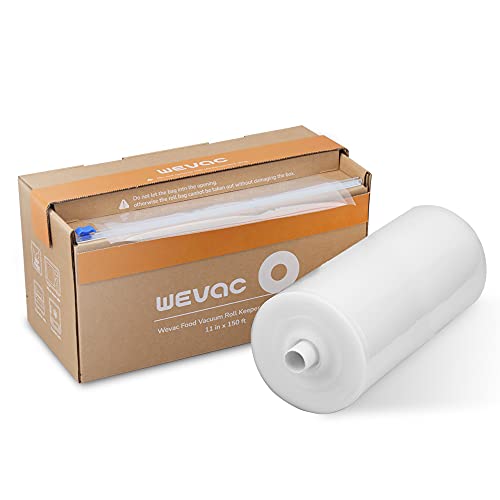
This is a roll of bags on a picks list, and it's here because the bags are the half of the purchase everyone prices wrong. One 28cm wide, 45 metre embossed roll for $64.62 works out near $1.44 a metre, so a typical 30cm bag costs about 43 cents cut to the exact length the food needs. Buy bags as small pre-cut packs and the per-bag cost climbs sharply for no functional gain. Over a year of sealing a few bags a week, the roll choice quietly matters more than which $70 versus $142 machine you picked, which is exactly why it earned a slot alongside the hardware instead of a footnote.
The construction is the standard embossed-channel design, stated as heavy duty with puncture resistance in mind, and the listing claims compatibility with all suction heat sealers, naming the FoodSaver and Weston families among others. That matches how the category works: the channels are what the pump needs, and every machine above will run this roll. The cutter box is better than it sounds. The roll lives in its case, you draw out what you need and cut it square against the built-in blade, and a square cut is half of a clean seal. It also keeps 45 metres of plastic from unspooling in a drawer, which anyone who's owned a loose roll will appreciate.
The stated three to six times storage-life figure is marketing shorthand for what sealed bags verifiably do, which is stop freezer burn and surface drying. The material is stated BPA-free and rated for sous vide temperatures, so batch-cooked portions can go from freezer to water bath in the same bag without a repack. One roll is a serious supply: at three bags a week it's most of a year of sealing, and the cutter box means the last metre is as tidy as the first. Pair it with whichever machine suits your volume and the running-cost question is answered before it's asked.
Honest caveats: It's 28cm wide, so check your machine's maximum bag width, and it only suits suction sealers, not chamber machines, which use smooth bags. Embossed material costs more per metre than supermarket zip bags, so it's for storage that matters, not sandwich duty.
Best for: Anyone buying any machine above: sort the consumable at the roll price instead of the pre-cut price.
Size: 28cm x 45m, embossed channels • Cost per metre: About $1.44 at time of writing • Compatibility: All suction heat sealers (stated) • Cutter: Keeper box with built-in cutter • Material: Stated BPA-free, sous vide suitable • Sold by: WEVAC AU storefront • Price: $64.62 at time of writing • Rank: #77 in Papers, Wraps & Bags (Amazon AU)
View on Amazon AUSide-by-side comparison
| Product | Price | Best for |
|---|---|---|
| TOJUNE 6 in 1 Vacuum Sealer Automatic… | ~$49.89 | |
| Wevac 28cmx45m Food Vacuum Seal Roll Keeper… | ~$64.62 | |
| DJZ Food Vacuum Sealer Machine | ~$59.99 | |
| Vacuum Sealer Machine | ~$109.99 | |
| FoodSaver VS4500 Lock and Seal Vacuum Sealer | ~$118.95 | |
| Russell Hobbs RHVS1 Seal Fresh Vacuum Sealer | ~$119.20 | |
| Food Vacuum Sealer Automatic Sealing… | ~$129.99 | |
| FoodSaver VS3198 Controlled Multi Seal… | ~$228.00 | |
| Astraio 6-in-1 Vacuum Sealer with 30 Bags | ~$59.99 | The entry point |
What we see fail at the bench: vacuum sealers
Vacuum sealers are simple machines, a pump, a gasket, a hot wire and a latch, and they fail in correspondingly simple ways. The pattern that stands out from the ones that cross our counter is that almost none die of old age. They die of liquid, heat abuse or storage habits, all three of which are preventable once someone's named them for you. Here's the short list, in the order we see it.
Pumps that drank the marinade
Liquid pulled up the bag's channels goes exactly one place: into the pump, where it corrodes valve plates and gums the diaphragm until suction fades to a wheeze. The machine still runs, the bag stays puffy, and the owner blames the bags. Moist modes and pulse buttons exist precisely to prevent this, and the freeze-first trick eliminates it entirely, but none of that helps after the event. A pump that's had one small drink can sometimes be opened, cleaned and returned to service. One that's been marinated for months is landfill, and that's the single most common way these machines die.
Cooked teflon and tired seal wires
The seal bar is a nichrome wire under a teflon glide strip, and it's built for short cycles with cooling gaps. Run a marathon batch session and the strip overheats: the teflon scorches and bubbles, bags start sticking and tearing at the weld, and eventually the wire itself burns through and the machine vacuums but won't seal. The strip and wire are inexpensive serviceable parts on most designs, held by two screws, so this failure is very fixable. The habit fix costs nothing at all, which is pausing every dozen seals and letting the bar cool the way the duty cycle intended.
Gaskets stored under clamp
The foam gaskets around the vacuum chamber only work while they're springy, and storing the machine latched shut clamps them flat over a few months. The symptom is a machine that hums indefinitely without ever pulling vacuum, which reads like a dead pump and is actually a five dollar seal. We test by hand-pressing the lid during a cycle: if suction returns with pressure, the gasket's finished, not the pump. Store any sealer with the lid unlatched and this failure simply never happens. It's the same compression-set physics as the pressure cooker rings in our other kitchen guide, just on a smaller part.
Decision tree: which one should you actually buy?
- First sealer, and you're not sure the habit will stick? → The Astraio at $59.99. Wet and dry modes, 30 bags in the box, and low enough stakes that finding out is nearly free. Add the Wevac roll when the thirty included bags run out.
- Want rolls, storage, cutter and a canister hose in one purchase? → The Homiloggo 85kPa at $99.99. It's the most complete kit here, and the marinate and canister modes cover the jobs bags are wrong for.
- Just want the known brand that your household can't use wrong? → The Russell Hobbs RHVS1 at $119.20. One-touch operation, a dry or moist selector, and Australian brand support behind it. The top seller here for a reason.
- Sealing bulk meat every week and sick of failed bags? → The Homiloggo 95kPa at $142.49. Double pump, 6mm strip and an optional double seal pass: the weld is where bags fail, and this is the weld to beat.
- Machine's sorted and the bag spend is the problem? → The Wevac 45m roll at $64.62. About 43 cents per 30cm bag, cut to length, and it feeds every machine on this page.
- Own a sealer that hums but never tightens the bag? → That's usually a flattened gasket or a pump that's swallowed liquid, and one of those is a five dollar fix. Bring it past our Erina workshop before you replace it, and we'll tell you which one you've got.
Frequently asked questions
Do generic bags and rolls work with any vacuum sealer?
With suction sealers, almost always yes, provided the bags are the embossed type with textured channels. The channels are what carry air out of the bag while the mouth is clamped, and they're a category standard rather than a brand feature, which is why the Wevac roll states compatibility across FoodSaver, Weston and the rest. Check two things: the roll width fits your machine's seal bar, 28cm suits everything in this guide, and the bag is genuinely embossed, because smooth bags will seal but never vacuum on a suction machine. Brand-matched bags buy you nothing except a higher price per metre.
Why won't my sealer handle wet or juicy food?
Because the pump can't tell air from liquid, and on a wet load it drags juice up the channels and into itself, which is the most common way these machines die. Use the moist mode if your machine has one, since it runs gentler suction and a longer, hotter seal. Better again, use the pulse button and stop the vacuum before liquid climbs. Best of all, freeze wet food solid first and seal the frozen block: the pump sees nothing but air, the bag packs flat, and the result stacks neatly. A kitchen towel folded just inside the bag mouth as a last defence catches drips before the weld line.
What does the kPa number on a vacuum sealer actually mean?
It's the vacuum the pump claims to pull, and bigger numbers mean harder-packed bags. The machines here state 80, 85 and 95kPa, and the difference is real but smaller than the marketing implies: you'll notice it on a dense roast packed for three months, and you won't on a bag of grated cheese. Treat the figures as stated claims rather than certified measurements, especially from marketplace brands. Seal quality matters more, because a perfectly evacuated bag with a wrinkled weld is full of air within a week, while a modest vacuum behind a clean, wide seal holds for months.
How much longer does vacuum-sealed food actually last?
The listings claim multiples, three to six times on the Wevac roll, up to eight on some machines, and I'd treat the exact numbers as marketing. What's not in dispute is the mechanism: air is what causes freezer burn and surface drying, and removing the air removes both. In practice that means meat that still looks and cooks like meat after months in the freezer rather than weeks, and dry goods that don't go stale. A sealer changes nothing about safe handling, so thaw, store and cook things the way you otherwise would. The saving shows up as food you stop throwing away.
Can I reuse vacuum sealer bags?
Sometimes, and the trick is cutting generously. Leave a few spare centimetres when you first make a bag, and after opening it you can wash, dry and reseal the same bag shorter. Bags that held dry goods, bread, biscuits or hard cheese reuse well. Bags that held raw meat or fish I'd simply bin, because the few cents saved isn't worth the cleaning effort it takes to do properly. Anything that went in a sous vide bath is also a one-use bag as far as I'm concerned. At roll prices of about 43 cents a bag, reuse is a bonus rather than the strategy.
Why does my sealer need a rest between bags?
The seal bar is a resistance wire that heats to welding temperature for every cycle, and it's designed around cooling gaps between seals. Feed bags back-to-back for a big batch and the bar's temperature climbs past what its teflon cover strip tolerates: bags start sticking, the strip scorches, and eventually the wire fails altogether. That's the duty cycle the manual is politely alluding to. Pause for a minute every dozen or so seals and the bar lives indefinitely. If your machine has already developed sticking or torn seals, the strip and wire are usually inexpensive, screw-held parts, so it's a repair, not a replacement.
Related buying guides
Sealer hums but the bag stays puffy?
That's usually a flattened gasket, a worn latch or a pump that's swallowed marinade, and two of those three are minor fixes. Bring it in to the Erina workshop and we'll put it in the workshop, tell you which fault you've got and what the repair costs, before you spend anything on a replacement machine.
Visit our Erina workshop Book Online