Prices from Amazon AU, updated daily. Swipe or use the arrows for more.
Disclosure: This article contains affiliate links to amazon.com.au. If you buy through one of these links iFix may earn a small commission at no extra cost to you. It doesn't change which products we recommend. We focus on what actually lasts based on 16 years of repair-shop experience.
Quick summary8 picks
- Entry PickPhilips GoZero Everyday Filter Bottle about$21.34
- AQUAPHOR Smile Water Filter Jug - 2.9L about$47.48
- BRITA Marella Water Filter Jug about$39.50
- BRITA Flow Cask Water Filter Dispenser 8.2L about$85.30
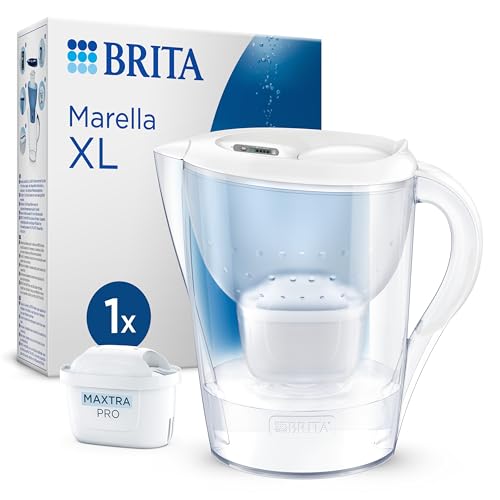
- BRITA Marella XL Water Filter Jug about$44.70
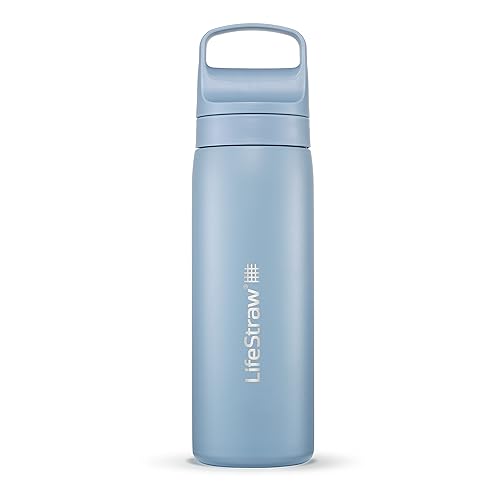
- LifeStraw Go 2.0 Stainless 500 ml about$77.52
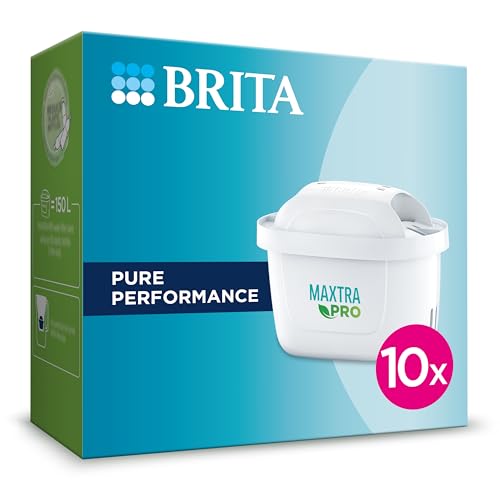
- BRITA MAXTRA PRO Cartridges, 10 Pack about$107.50
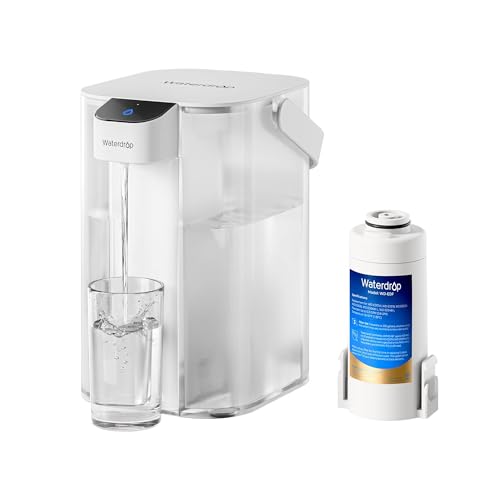
- Most PremiumWaterdrop ED01W Electric Water Filter Pitcher about$118.99
The bottled water line item
Have a look at what bottled water is actually costing your household, because most people have never done the sum. Call supermarket bottled water 80c a litre when you buy the big multipacks, and I'm being generous, because the servo single bottle runs several dollars for 600ml. A household drinking two litres of bought water a day is spending close to $600 a year on something that comes out of the kitchen tap for a fraction of a cent. That's the spend these products exist to intercept. Every pick in this guide costs less than $120 once, and the most expensive cartridge habit among them still lands miles under the bottled equivalent, which is why this category keeps climbing the sales ranks while grocery bills stay ugly.
The real comparison isn't jug versus tap, it's jug versus jug, and the number that decides it is cartridge cost per litre. Every listing here states a filter life: the Philips bottle filter is stated at 40 gallons, call it roughly 150 litres, over about two months. The LifeStraw's carbon stage is stated at 100 litres. The Waterdrop's cartridge is stated at 200 gallons, roughly 750 litres, over three months. Brita's Memo reminder works on a monthly change. The listings give you the litres, the cartridge listings give you the dollars, and one division tells you what each system really costs to run. Do that sum before you buy the jug, not after, because the jug is the deposit and the cartridges are the repayment schedule.
That framing sounds cynical until you price a year of ownership across two brands and find they differ by more than the jugs cost. It's the same consumable arithmetic I push in every guide in this series, from the vacuum sealer bags to air purifier filters, and water filters are the purest case of it: the hardware is a plastic vessel with a hole in it, the cartridge is the entire product, and the brand's pricing power lives in the fact that you already own the vessel.
What carbon filters actually do, and what they don't
Nearly everything in this guide runs activated carbon, and carbon does a specific job: it grabs chlorine, odours and taste-affecting organic compounds as water passes through. That's why filtered tap water tastes different, and for most households that taste change is the entire purchase. Worth being clear about the baseline, too: Australian town water is already treated and drinkable when it reaches your tap, so a carbon jug is a taste and appliance decision, not a rescue mission. The marketing in this category loves to imply otherwise, and I'd rather you bought one of these knowing exactly what it does. The one genuinely different tool here is the LifeStraw, which adds a membrane microfilter stage its listing rates against bacteria, parasites and microplastics, and that's travel and camping hardware, built for water sources a jug was never meant for.
When a listing wants to claim more than taste, the thing to look for is which NSF/ANSI standard the claim is tested or certified against, and by whom. The Waterdrop pitcher states IAPMO certification against NSF/ANSI 401, 53, 42 and 372, with named substances like lead, mercury and benzene, and PFOA and PFOS reduction confirmed by third-party lab tests, per the listing. Brita's Marella states its MAXTRA PRO cartridge reduces total PFAS above 99 per cent, tested according to NSF/ANSI 53. Those are checkable claims tied to specific standards, which is a different animal from a label that just says advanced filtration in a nice font. The certificate does the talking, and the listings that have one tend to mention it loudly.
One more baseline worth stating for this region: a lot of Central Coast households aren't on town water at all, or blend tank and mains, and tank water is a different problem to a different tool. A jug's carbon cartridge was never designed to make roof runoff drinkable, and no listing here claims it can. If you're on tank supply, the membrane class of filter is the relevant hardware, your tank and first-flush maintenance matter more than anything in this guide, and the jug's job shrinks back to what it always was: taste. Knowing which problem you're solving keeps you from paying taste-filter money expecting purification, or purification money when all you wanted was the chlorine gone.
Cartridges are the business model
A filter jug is sold on the same economics as a cartridge inkjet: the vessel is priced to get you in, and the margin lives in the consumable you'll buy on a schedule forever. I don't say that to talk you out of one, because the bottled-water alternative costs more again. I say it so you evaluate the right thing. When you pick a jug you're really picking a cartridge ecosystem, its price per litre, and the odds that cartridge is still on shelves in five years. Brand strength matters here in a way it doesn't for the jug itself, because a discontinued cartridge format turns a perfectly good jug into recycling.
The two Britas in this guide make the point neatly. The Marella and the Flow Cask both run the current MAXTRA PRO cartridge, so one household can feed a 2.4 litre fridge jug and an 8.2 litre cask off a single cartridge format and a single shopping habit. What separates them is how much water each cartridge has to push before it's spent, and that is the number that sets your real cost per litre, not the price on the vessel. The 10 pack of MAXTRA PRO cartridges in the strip above is $107.50, or $10.75 a cartridge, and with each one stated at up to 150 litres or four weeks that works out at roughly 7 cents a litre for the Brita side of the comparison. This is exactly the trap I flag in the air purifier guide, where the replacement filter decides the real cost of ownership long after the box price is forgotten. Same model, different consumable, same advice: price the cartridge before you order the thing it fits into.
Jug, bottle or electric pitcher
The form factor question is really a question about where the water gets drunk. A jug lives in the fridge and serves the household: the Marella is shaped for the fridge door and its flip-top lid opens one-handed for filling, which matters more than it sounds when the other hand is holding dinner, while the Flow Cask trades that door fit for 8.2 litres and a tap on the front, sitting on a benchtop or a cleared fridge shelf. A bottle serves one person out of the house: the $21 Philips is a light filter bottle for the desk, the gym bag and the car, and the LifeStraw is the same idea built in stainless steel with a serious filter stack for travel. Neither replaces the other, and plenty of households sensibly end up with one of each: the jug doing the volume work at home and a bottle doing the away games. Buying one product and expecting it to cover both jobs is how filters end up unused in a cupboard.
The Waterdrop electric pitcher is the odd one out and the most interesting product here. It's a 3.6 litre benchtop unit with one-touch dispensing the listing states takes about a second, running a 5 micron carbon block rather than a gravity cartridge, with a rechargeable battery that's stated to last about 30 days per charge. You press a button and filtered water comes out, no waiting for gravity to drip through. The trade is that you've just put electronics, a pump and a lithium battery into a product category that was previously a plastic bucket, and everything I say later about batteries applies. For anyone who found the gravity-jug wait annoying enough to stop using one, it solves a real problem.
Capacity marketing: 2.4 litres isn't 2.4 litres
Jug capacity numbers need the same scepticism as air fryer litres and dehydrator tray counts. The headline figure is total volume, tank plus reservoir, but the water you can actually pour is the filtered reservoir underneath, and that's always smaller. Credit to Brita's Marella listing for stating it plainly: 2.4 litres total, 1.4 litres filtered. That second number is the one that decides how often you're standing at the tap refilling, and for a family it's the difference between a jug that works and a jug that's permanently empty. When a listing only quotes one number, assume it's the flattering one, and go looking for the reservoir figure in the fine print before you decide the jug suits your household. The Marella XL in the strip above, at $44.70, states the same honest pair for its size: 3.5 litres total, 2.0 filtered.
Brita's Flow Cask listing earns the same credit for the same reason: 8.2 litres total, 5.2 litres filtered, both stated in the first bullet rather than buried. That three-litre gap is the unfiltered reservoir and the cartridge housing, and every gravity filter has a version of it. Listings assembled by copy-paste are common in this category, the Philips bottle quotes its filter life in gallons and never states the bottle's own volume at all, and part of reading them is working out which bullet belongs to the product you're actually buying. Measure the space before you order anything past about three litres, because that is where these stop being fridge-door products.
The appliance angle: scale is the hidden customer
Here's the part of this guide that comes from the bench rather than the kitchen. The water you drink is also the water you pour into every small appliance you own, and dissolved minerals in that water are what fur up kettle elements and choke the thermoblocks in espresso machines. I wrote about descaling at length in the espresso machine guide, because scale is the single biggest killer of those machines, and the descaling calendar is set by what's in the water going into the tank. Softer feed water means slower buildup, longer intervals between descales and a machine that holds its flow rate for longer.
Be precise about what these particular products claim, though. The listings here mostly talk chlorine and taste, and only some filter types reduce the hardness minerals behind scale, so if appliance protection is your main motive, look for a cartridge whose listing states limescale or hardness reduction and check it against the current listing before you buy. What I can tell you from the workshop in Erina is the other half of the story: the small appliances that die early are overwhelmingly in hard-water and tank-water households, and the owners who fill the kettle and the coffee machine from a filter jug consistently show up with less scale inside. Call it what it is: a consumable you were buying anyway, doing a second job for free.
How I picked the five
Same mechanical screen as every guide in this series. Condition New, price inside the $20 to $200 band, sold by Amazon AU or a named AU storefront, and holding a solid Amazon AU category sales rank on the day I checked. The five that came through are two Britas covering the fridge-door and big-volume ends of one cartridge format, two bottles covering the taste-filter and travel-membrane use cases, and one electric pitcher, because that's the shape of the real decisions in this category. The ranks back the screen up: the Flow Cask holds number 372 in Small Kitchen Appliances, a category broad enough that a plastic water vessel has no business being visible in it at all.
Specs come straight off each listing, and where a listing is quiet or contradicts itself I've said so in the caveats rather than smoothing it over. Prices are the day-of snapshot and they move, especially on the storefront-sold items. The last general rule I'd offer: buy the filter you'll actually keep changing. An expired cartridge quietly stops doing its job while the water keeps tasting filtered enough, and a jug with a year-old cartridge in it is worse than no jug, because at least the tap isn't pretending. The Memo reminders and stated filter lives exist for a reason, and the owners who use them are the ones getting what they paid for. It's the least glamorous advice in the guide and the most load-bearing, which is usually how it goes with consumables.
The 5 picks: jugs first, then bottles, $21 to $119
Prices and ranks are Amazon AU, checked 15 October 2026, and they move week to week.
Most people searching for a water filter jug want one answer, so here it is first: for one to three people it's the BRITA Marella 2.4L at $39.50, because it runs Brita's current MAXTRA PRO cartridge and that's the cartridge you'll still find on every shelf in five years. If the household drinks more than a jug a day, go straight to the 8.2L Flow Cask, and the two bottles sit at the end for people who need filtered water away from the kitchen.

BRITA Marella Water Filter Jug 2.4L, MAXTRA PRO
ASIN B0DWSFQ2Q3 • $39.50 • Sold by BRITA Australia on Amazon AU
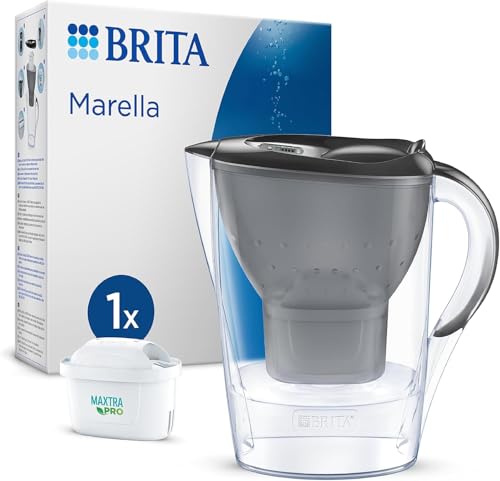
The Marella is the default answer to the question most people are actually asking, which is: I want a jug in the fridge that makes the tap water taste better, which one. It's $40 from the BRITA Australia storefront, runs the current MAXTRA PRO cartridge, and the listing states the honest pair of capacity numbers this whole category should be forced to publish: 2.4 litres total, 1.4 litres filtered. The cartridge is stated to reduce chlorine, taste-impairing substances and select trace elements, and the listing goes further than most in this category with a stated total PFAS reduction above 99 per cent, covering PFOS and PFOA, tested according to NSF/ANSI 53. That's a specific, checkable claim, and it's the reason this jug rather than a generic one.
Living with it is where Brita's decades in this product show. The flip-top lid opens with one hand so you can fill it under the tap without disassembling anything, the shape is designed for the fridge door, and the Memo tracker on the lid counts down cartridge life so the change actually happens, which matters more than any filtration spec, because an expired cartridge is just a plastic obstacle. The jug body is dishwasher safe with the lid excluded, per the listing. It holds rank 37 in Amazon AU's Small Kitchen Appliances category, which is a broad and brutal category for a $40 jug to be visible in at all.
The value calculation is really a cartridge calculation, and here the Marella's case is about longevity of the ecosystem rather than the sticker. MAXTRA PRO is Brita's current format, which is the format most likely to still be stocked everywhere at sane prices in five years, and that matters when the vessel is a decade-long purchase and the cartridge is a monthly one. Price a year of cartridges before you commit, as with everything in this guide, but you're buying into the biggest cartridge ecosystem in the category, and that's worth something on its own.
Honest caveats: 1.4 litres of filtered water means a family will be refilling this constantly, so consider the Flow Cask if volume is the point. The listing doesn't state how many cartridges ship in the box, so check before assuming a spare. Cartridges on subscription-adjacent pricing are where the money goes, and the PFAS claim is the cartridge maker's own tested figure, not a product endorsement from me.
Best for: One to three people who want the current-generation Brita cartridge in a fridge-door jug.
Capacity: 2.4 L total, 1.4 L filtered • Cartridge: MAXTRA PRO • Stated reduction: Chlorine, taste-impairing substances, select trace elements • PFAS claim: Total PFAS >99% (PFOS/PFOA), tested per NSF/ANSI 53 • Reminder: BRITA Memo cartridge tracker • Cleaning: Jug dishwasher safe, lid excluded • Seller: BRITA Australia storefront, condition New • Price: $40 at time of writing • Rank: #37 in Small Kitchen Appliances (Amazon AU)
View on Amazon AU
BRITA Flow Cask Water Filter Dispenser 8.2L
ASIN B0D7M7ZCJX • $85 • Sold by BRITA Australia on Amazon AU
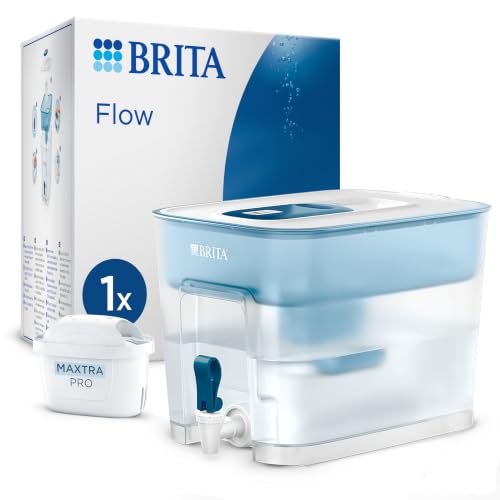
The Flow Cask is the volume answer, and it gets there by giving up the thing every other jug in this guide is shaped around. It does not live in the fridge door. It is an 8.2 litre cask with a tap on the front that sits on a benchtop or a cleared fridge shelf, and Brita states the pair of numbers that matter without being asked: 8.2 litres total, 5.2 litres filtered. That is more filtered water in one fill than three Marellas hold, which is the whole point for a share house, a big family or a small office. It holds rank 372 in Amazon AU's Small Kitchen Appliances category, a broad and brutal category for a plastic water vessel to be visible in.
It runs the same MAXTRA PRO cartridge as the Marella, which is quietly the best thing about it. One cartridge format feeds both the fridge jug and the big cask, one shopping habit covers the household, and the PRO cartridge carries the claims worth having: chlorine, taste-impairing substances and trace elements, plus a stated total PFAS reduction above 99 per cent covering PFOS and PFOA, tested according to NSF/ANSI 53. The tap on the front is the other daily-use win, because you pour a glass one-handed without lifting five litres of water, which is roughly the moment most people work out why a cask beats a jug at this size.
Refilling is handled by a smooth-sliding lid, so you top it up in place rather than hauling the whole unit to the tap, and the body is BPA-free and made from ISCC PLUS certified bio-based plastic per the listing. At $85 it is the dearest gravity filter here and about $34 under the Waterdrop, and it adds nothing to the shopping list, because the cartridge is the one you would be buying for a Marella anyway. If your current jug is empty every time someone reaches for it, this is the fix that does not introduce a second consumable.
Honest caveats: Measure first. An 8.2 litre cask needs real bench depth or a cleared fridge shelf, and it will not go in a door rack. The listing does not state how many cartridges ship in the box, so assume one until the current listing says otherwise. The tap is a moving part on a full vessel, and it is the component I would expect to complain first. Storefront pricing moves around more than Amazon AU listings.
Best for: Big households, share houses and offices that empty a 2.4 litre jug before lunch.
Capacity: 8.2 L total, 5.2 L filtered • Cartridge: MAXTRA PRO • Stated reduction: Chlorine, taste-impairing substances, trace elements • PFAS claim: Total PFAS >99% (PFOS/PFOA), tested per NSF/ANSI 53 • Dispensing: Integrated tap • Refilling: Smooth-sliding lid, top up in place • Material: BPA-free, ISCC PLUS certified bio-based plastic • Seller: BRITA Australia storefront, condition New • Price: $85 at time of writing • Rank: #372 in Small Kitchen Appliances (Amazon AU)
View on Amazon AU
Waterdrop ED01W Electric Water Filter Pitcher 3.6L
ASIN B0DRG423BC • $118.99 • Sold by WaterdropDirect AU on Amazon AU
The Waterdrop ED01W is what happens when someone decides the gravity jug's drip-drip wait is a solvable problem. It's a 3.6 litre benchtop pitcher with an electric pump and one-touch dispensing the listing states delivers filtered water in about a second, running a 5 micron carbon block cartridge rather than a loose-media gravity cartridge. At $119 from the WaterdropDirect AU storefront, ranked 53 in Amazon AU's Jugs category, it's the most expensive pick in this guide and also the one making the strongest checkable claims: IAPMO certification against NSF/ANSI standards 401, 53, 42 and 372, a stated reduction list of more than 35 substances including lead, mercury and benzene, and PFOA and PFOS reduction the listing says was confirmed by third-party lab tests.
The running costs read well too. The cartridge is stated at 200 gallons, roughly 750 litres, or three months, which is several times the per-cartridge litres of the gravity jugs here, and Waterdrop names the replacement model on the listing, WD-EDF, so you can price the consumable before you buy the machine, which I wish every manufacturer did. Power comes from a built-in rechargeable battery stated at about 30 days per charge, topped up over USB-C with a cable included and the wall adapter not included. In practice that means the pitcher lives cordless in the fridge or on the worktop and visits a charger monthly, which is a sensible way to keep mains electricity away from a water vessel.
The trade is the one I flag in the bench section: this is a powered appliance in a category that used to be inert plastic, so it inherits electronic failure modes the Britas simply can't have. A battery that fades with years, a pump that can wear, a charging port that must stay dry. None of that is a reason to avoid it, the engineering choice of battery-only operation is the right one, but it does mean thinking of it as a small appliance with a service life rather than a jug you'll still own in fifteen years. For the per-litre cartridge maths and the push-button convenience, plenty of kitchens will take that trade happily.
Honest caveats: Keep the charging port dry and charge it away from the sink, because it's still electronics living around water. The battery is a consumable on a years-long clock and isn't stated as user-replaceable. The wall adapter isn't included. The certification claims are the listing's, so verify them on the current listing if they're your deciding factor, and storefront pricing moves around.
Best for: Kitchens that want push-button filtered water and the lowest cartridge cost per litre in the guide.
Capacity: 3.6 L • Dispensing: Electric one-touch (stated about 1 second) • Filter: 5 µm carbon block, replacement model WD-EDF • Filter life: About 750 L or 3 months (stated as 200 gallons) • Certification: IAPMO vs NSF/ANSI 401, 53, 42, 372; PFOA/PFOS lab tested (stated) • Battery: USB-C rechargeable, about 30 days standby • Seller: WaterdropDirect AU storefront, condition New • Price: $119 at time of writing • Rank: #53 in Jugs (Amazon AU)
View on Amazon AU
LifeStraw Go Series 2.0 Stainless Steel Water Bottle, 500 ml
ASIN B0CFXDV85Z • $81.40 • Ships from Amazon AU
The LifeStraw Go 2.0 stainless is a different class of product wearing the same silhouette as the Philips, and the price gap tells you so: $81, sold by Amazon AU, and ranked 472 in Insulated Bottles. It's a 500 ml stainless steel bottle running a two-stage filter: a membrane microfilter the listing rates against bacteria, parasites and microplastics, followed by a carbon stage that reduces chlorine, odours and organic chemical matter. That membrane stage is the part no jug in this guide has, and it's the difference between improving water you'd drink anyway and dealing with water sources you otherwise wouldn't touch.
The consumable maths is unusual and worth understanding before you buy. The two stages age on completely different clocks: the membrane microfilter is stated at up to 4,000 litres, which the listing puts at about five years of daily use, while the carbon stage is stated at about 100 litres or two months, the same cadence as every other carbon filter here. So you'll be replacing the minor stage often and the serious stage rarely, and the listing's claim that the membrane saves 8,000 single-use bottles over its life is at least pointed in the right direction. The listing pitches it for filling up from airport bathrooms, a tap overseas or a servo on a road trip, which is the use it's built around.
Who it's for is the easiest call in this guide. If your water comes from town supply and your bottle lives at a desk, buy the Philips and pocket about $60, because at home the LifeStraw is an expensive way to filter already-treated water. If you camp, hike, travel to places where you'd rather not trust the taps, or live with tank water and want a personal backstop, this is the one item here actually built for that job, from the brand that made its name on exactly this filter stack. As dual-purpose kit, one bottle covering the daily commute and the weekend away, it justifies the stainless price.
Honest caveats: Two consumables on different replacement schedules means two things to track and price. The listing's figures are in gallons, converted here. At 500 ml it holds half what a litre bottle does, so check the size suits your day. The listing doesn't state whether the stainless body is insulated, so don't buy it expecting cold water all afternoon. A straw-filter bottle also can't pour filtered water for anyone else, so it doesn't replace a household jug.
Best for: Campers, travellers and tank-water households that need the membrane stage, not just better taste.
Capacity: 500 ml, stainless steel • Stage 1: Membrane microfilter, rated up to about 4,000 L • Stage 2: Carbon filter, about 100 L or two months • Stated protection: Bacteria, parasites, microplastics, chlorine (listing) • Seller: Amazon AU, condition New • Price: $81 at time of writing • Rank: #472 in Insulated Bottles (Amazon AU)
View on Amazon AU
Philips GoZero Everyday Bottle, AWP285/37
ASIN B08YP9ZW21 • $21 • Ships from Amazon AU
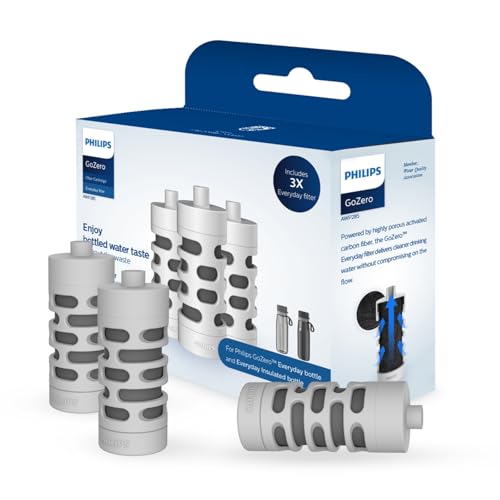
The GoZero Everyday is the least commitment you can make to filtered water: $21, sold by Amazon AU, and the filter rides inside a bottle you were going to carry anyway. Philips calls it an activated carbon fibre filter, and the listing is refreshingly narrow about what it does, which is reduce chlorine and particulates as the water passes through on its way to your mouth. The result is tap water that tastes like it came from somewhere fancier, from any tap you happen to be near. It holds rank 124 in Amazon AU's Sports Water Bottles category, which is a busy, brand-heavy category for a filter product to be visible in at all.
The filter is where the interesting detail sits. Philips states the carbon fibre medium has an adsorption surface as large as seven basketball courts, which is a silly way to express it but a real engineering point: fibre packs far more surface into a small cartridge than loose granular carbon does, and that is what lets a filter this small keep a drinkable flow rate instead of turning every mouthful into work. The listing rates one Everyday filter at up to 40 gallons, roughly 150 litres, or up to two months, whichever arrives first.
The value case is the strongest in this guide because the entry price is a rounding error against the bottled-water habit it displaces. On the 80c a litre assumption from the top of this article, the bottle and its first filter stop being a cost inside a few weeks of normal use, and Philips reckons each filter stands in for up to 450 single-use plastic bottles. The figure to chase before you commit is the replacement cartridge price, because on a two-month cycle the filters are the real spend and the bottle is just the deposit.
Honest caveats: This is a taste filter. The listing claims chlorine and particulates and nothing beyond that, so it is not hiking kit for water you would not drink straight. The listing quotes filter life in gallons and never states the bottle's own volume, dishwasher rules or seal design at all, so check the current listing for those rather than assuming them. Replacement filter pricing needs checking before you rely on the running cost.
Best for: One person, desk and gym, who wants better-tasting tap water for the price of a takeaway lunch.
Model: Philips GoZero Everyday, AWP285/37, grey • Filter: Activated carbon fibre, reduces chlorine and particulates • Filter surface: Stated as large as 7 basketball courts • Filter life: Up to 40 gallons, about 150 L, or up to 2 months • Stated saving: Up to 450 single-use bottles per filter • Seller: Amazon AU, condition New • Price: $21 at time of writing • Rank: #124 in Sports Water Bottles (Amazon AU)
View on Amazon AUSide-by-side comparison
| Product | Price | Best for |
|---|---|---|
| Philips GoZero Everyday Filter Bottle | ~$21.34 | One person who wants a taste filter in the bag |
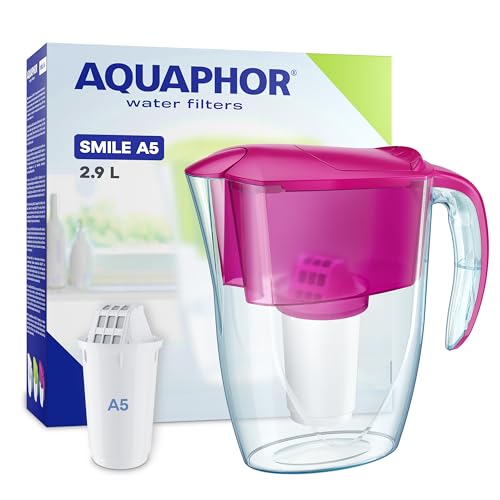
| AQUAPHOR Smile Water Filter Jug - 2.9L | ~$47.48 | A fridge-door jug with limescale reduction |
| BRITA Marella Water Filter Jug | ~$39.50 | One to three people on the current Brita cartridge |
| BRITA Flow Cask Water Filter Dispenser 8.2L | ~$85.30 | Big households, share houses and offices |
| BRITA Marella XL Water Filter Jug | ~$44.70 | Households that outgrow a 2.4L jug |
| LifeStraw Go 2.0 Stainless 500 ml | ~$77.52 | Campers, travellers and tank-water households |
| BRITA MAXTRA PRO Cartridges, 10 Pack | ~$107.50 | Keeping a MAXTRA jug or the Flow Cask supplied |
| Waterdrop ED01W Electric Water Filter Pitcher | ~$118.99 | Push-button dispensing and 750L per cartridge |
What we see fail at the bench: water filter gear
Nobody brings a filter jug to a phone repair shop, and I won't pretend otherwise. But this category crosses the bench in two indirect ways: the electric pitcher is a battery appliance with everything that implies, and the water these products condition is the same water that decides how fast kettles, coffee machines and humidifiers scale up and die. Both are worth two minutes before you buy.
The electric pitcher is a battery product
The Waterdrop runs a lithium battery, a pump and a charging port in a device that spends its life wet, and that combination is exactly what we spend our days repairing in phones. The engineering answer here is decent, battery-only operation keeps mains power away from the water, but physics still applies: the battery fades over years of charge cycles, the USB-C port corrodes if it's charged with moisture in it, and a pump is a moving part. Dry the port area before plugging in, charge it in the workshop rather than the sink, and expect the battery, not the filter, to define the product's lifespan.
Scale downstream of the tap
The mineral load in your water sets the descaling calendar for every heated appliance in the house. Kettle elements grow crust, espresso machine thermoblocks narrow until the flow dies, and the repair economics on a $50 kettle mean nobody ever fixes one, it just lands in the bin. Only some filter cartridges reduce hardness minerals, and the listings in this guide mostly claim chlorine and taste, so read the cartridge spec rather than assuming. But the pattern from the bench is consistent: households filling appliances from a filter jug show up with cleaner heating elements than households on the same street filling from the tap.
Lids, hinges and reminder timers
The parts that fail on the jugs are the moving ones. Flip-top lids crack at the hinge from being levered one-handed against a full jug, the Memo reminder is a small sealed electronic timer with a finite battery that eventually just stops, and on bottles the silicone mouthpieces and straws are wear items that live in a warm dishwasher-adjacent world. None of this is expensive, and Brita sells spares for a lot of it, but check the listing's dishwasher rules before you cook something: jug bodies mostly yes, lids mostly no, filters never. Most cracked lids I've seen were dishwasher casualties, not design faults.
Decision tree: which one should you actually buy?
- You just want the tap water in the fridge to taste better? → The BRITA Marella at $40. Current-generation MAXTRA PRO cartridge, honest capacity numbers and the fridge-door shape. It's the boring right answer.
- Bigger household, jug's always empty? → The BRITA Flow Cask at $85 holds 8.2 litres, 5.2 of them filtered, and pours from a tap instead of a spout. Measure the bench or the fridge shelf first, then buy it for the volume.
- Water mostly gets drunk at a desk, the gym or in the car? → The Philips GoZero at $21. A carbon filter bottle that makes any tap acceptable, for less than a case of bottled water.
- Camping, travel or tank water in the picture? → The LifeStraw Go 2.0 at $81 is the only pick with a membrane stage, rated on its listing for the water sources the jugs were never built for.
- Hate the gravity-drip wait and want the lowest cartridge cost per litre? → The Waterdrop ED01W at $119. Push-button dispensing, a stated 750 litres per cartridge, and a named replacement filter you can price before buying.
- Phone or laptop met water instead? → That's the other kind of water problem, and it's time-critical: don't charge it, don't rice it. Read the water damage explainer, then bring it in to our Erina workshop and we'll assess it before corrosion makes the decision for you.
Frequently asked questions
Do I actually need a water filter in Australia?
Need is the wrong frame for town water, which is treated and drinkable when it reaches your tap. What a carbon filter changes is taste, chlorine and odour, and for a lot of households that change is worth a $40 jug on its own. The stronger practical arguments are the bottled-water substitution, where a filter pays for itself in weeks if you currently buy bottles, and the appliance angle, where softer feed water slows scale in kettles and coffee machines. Tank-water and travel situations are different again, and that's membrane-filter territory like the LifeStraw rather than jug territory.
How often do the cartridges really need changing?
Follow the stated life on the listing rather than your taste buds, because carbon keeps changing the taste after its capacity is spent. The products here state their numbers plainly: the Philips bottle filter is about 150 litres or two months, the LifeStraw carbon stage about 100 litres, the Waterdrop cartridge about 750 litres or three months, and Brita's Memo works on a monthly cycle. An expired cartridge isn't just useless, it's a warm damp place water sits in on the way to your glass, so set the reminder the day the product arrives and actually obey it.
What is the difference between Maxtra+ and MAXTRA PRO cartridges?
They're different generations of Brita's cartridge format. MAXTRA PRO is the current one, and on the Marella listing it carries the specific claims: chlorine and taste reduction plus a stated total PFAS reduction above 99 per cent tested according to NSF/ANSI 53. Maxtra+ is the earlier generation, still common on older jugs and in clearance multipacks, and both Britas in this guide run the current PRO format instead. The practical questions are price per litre and long-term supply, because a jug outlives several cartridge generations. Check compatibility on the current listings before assuming the formats interchange, and if you're buying cartridges in bulk, buy the format you expect to still be on shelves in five years.
Do these jugs remove fluoride?
None of the listings in this guide claim fluoride removal, and standard activated carbon cartridges aren't the tool for that job, so treat the absence of the claim as the answer. This is a category where it pays to only credit what a listing explicitly states and ties to a standard, the way the Waterdrop listing names NSF/ANSI 53 and specific substances. If a specific reduction matters to you, whatever it is, look for it named on the cartridge's own specification against a named standard, and if you can't find it stated, assume that cartridge doesn't do it.
Will filtered water stop my kettle and coffee machine scaling up?
It can slow scale meaningfully, with a caveat about filter types. Scale comes from dissolved hardness minerals, and only some cartridges reduce those, so check whether the cartridge listing states limescale or hardness reduction rather than assuming every filter does it. The carbon-focused products here mostly claim chlorine and taste. What I see at the bench supports the general habit though: appliances filled from filter jugs in hard-water households show visibly less element and thermoblock buildup over time. Filtering feed water stretches the descaling calendar, but it doesn't cancel it, so keep descaling on a schedule either way.
Is the LifeStraw overkill for everyday home use?
For town tap water at home, yes, and the maths says so: its carbon stage does the same taste job as a $21 Philips bottle, so you're paying about $60 extra for a membrane microfilter that treated town water doesn't need and a stainless steel body. Where it stops being overkill is any water source you wouldn't drink straight: campsites, hiking, travel, and tank supplies. If your year includes those, one bottle covering both jobs is sensible kit. If it doesn't, put the difference toward a jug for the fridge and the Philips for the bag.
Related buying guides
Filtered water won't fix a phone that went swimming
The water problems we actually fix in Erina are the ones where a phone or laptop met the sink, the pool or a water bottle in a bag. That clock runs fast: corrosion starts immediately and compounds by the week. Power the device off, don't charge it, skip the rice myth, and bring it in. We'll open it, assess the board and tell you what's recoverable before you spend anything on a replacement.
Visit our Erina workshop Book Online